Imagine waking up each morning with a harsh inner critic already in full swing, whispering doubts and criticisms before you've even had your coffee. For millions, this isn't a hypothetical scenario--it's the daily reality of confronting the deeply painful thought, "I hate myself." This pervasive self-loathing doesn't just chip away at your confidence; it can actively sabotage your goals, strain your relationships, and deepen struggles with anxiety and depression. But what if there were concrete steps you could take, starting today, to dismantle that inner critic and build a more compassionate relationship with yourself? This guide explores the roots of self-hatred and offers actionable strategies to help you reclaim your self-worth.
When "I Hate Myself" Becomes a Habit
Occasional negative self-talk is a normal part of the human experience. However, when thoughts like "I hate myself" become a recurring theme, it signals a deeper issue. Beyond fleeting moments of self-doubt, persistent self-hatred often manifests in distinct patterns of thinking and behaving.
One of the most common signs is all-or-nothing thinking. You might see yourself or your life in stark black and white--either a complete success or an utter failure. A minor mistake isn't just a slip-up; it's proof you're fundamentally flawed. This rigid perspective leaves little room for growth or self-forgiveness.
Another hallmark is a relentless focus on the negative. Even on days filled with accomplishments, your mind gravitates towards what went wrong or what could have been better. It's like having a spotlight that only illuminates your perceived shortcomings, ignoring any glimmers of positivity.
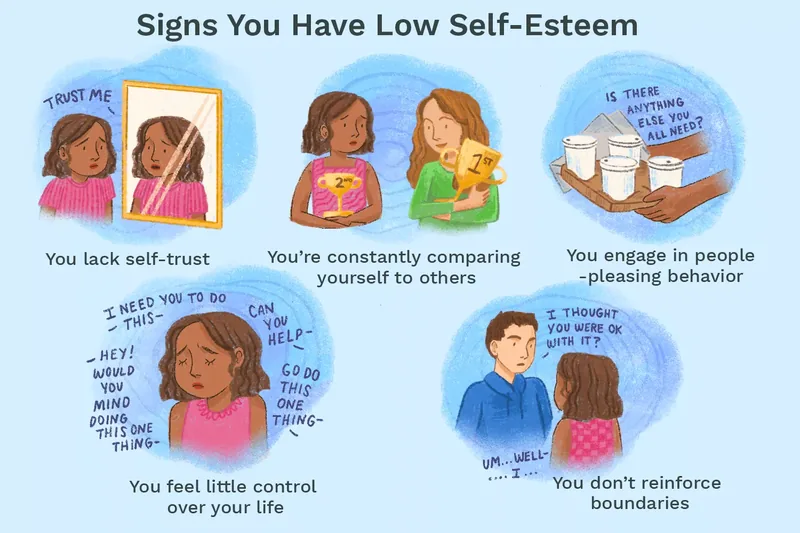
You might also experience emotional reasoning, where your feelings dictate your reality. If you feel like a failure, you conclude that you *are* a failure, regardless of objective evidence. This can lead to a cycle of low self-esteem, where you constantly feel you don't measure up, especially when comparing yourself to others.
This often fuels a desperate need for external validation. You find yourself constantly seeking approval, believing your worth is dependent on others' opinions. Compliments feel disingenuous, and criticism, even constructive, feels like a personal attack, replaying in your mind long after it's delivered.
Other indicators include a persistent feeling of being an outsider, always trying to fit in, and a deep-seated fear of genuine connection. You might push people away, believing they'll eventually dislike or abandon you. This fear can extend to dreams and aspirations; you may be afraid to dream big, convinced that failure is inevitable or that you don't deserve success.
Finally, there's the tendency to be incredibly hard on yourself. Mistakes from the past linger, creating a heavy burden of regret. You struggle to forgive yourself, perpetuating a cycle of self-punishment. This can also foster a cynical worldview, where you see the world as inherently flawed and believe positive outlooks are naive. Recognizing these signs is the crucial first step in breaking free from the grip of self-hatred.
Where Does "I Hate Myself" Come From?
The thought "I hate myself" rarely emerges from a vacuum. It's often the echo of past experiences, internalized beliefs, and challenging life events. Understanding these potential origins can provide vital context for healing.
At the core of self-hatred often lies a relentless negative inner critic. This voice, which may sound eerily like a critical parent, a bullying peer, or a harsh former partner, constantly undermines your confidence. It might tell you:
- "Who do you think you are?"
- "You'll never succeed, no matter how hard you try."
- "You always mess things up, just like last time."
- "That person can't possibly like you; they must want something."
- "You might as well give up; it's easier than trying and failing."
When you internalize these messages, you begin to believe them as absolute truths, leading to feelings of worthlessness and the conviction that you don't deserve love, success, or even the right to make mistakes. The more you listen, the more power this critic wields, potentially leading to paranoia and an inability to accept kindness (Mental Health America).
The genesis of this inner critic is frequently found in childhood experiences. Growing up with critical, emotionally distant, or overly controlling parents can instill a deep sense of inadequacy. Experiencing abuse, neglect, or constant criticism can teach a child to internalize negative messages about their own worth, leading them to believe they are inherently flawed.
Similarly, bad relationships in adulthood can sow seeds of self-doubt. A partner, friend, or even a difficult work colleague who consistently belittles you, manipulates you, or makes you feel inferior can create a powerful negative inner voice that lingers long after the relationship ends. For instance, a manager who constantly critiques your work, even minor errors, can foster a deep-seated belief that you are incompetent.
Bullying, whether in school, at work, or online, can have profound and lasting effects. Even seemingly minor incidents can create deep wounds, impacting your self-concept and self-esteem. The words of bullies can become internalized, replaying in your mind and reinforcing the idea that you are not good enough or are fundamentally unlikeable.
Traumatic events, such as accidents, assaults, or significant losses, can also contribute. The question "Why me?" can morph into feelings of shame, guilt, or regret, especially if there's a perceived element of personal fault, however irrational. This can lead to a harsh self-judgment that fuels self-hatred.
Sometimes, the triggers are more subtle. Environmental triggers--a new colleague who reminds you of a past bully, a familiar scent that evokes a painful memory--can bring buried feelings to the surface. These reactions, disproportionate to the current situation, often point to unresolved past issues.
Underlying these external factors is often a negative self-concept. If you already struggle with poor self-image or low self-esteem, minor setbacks can be magnified. A social faux pas at a party might spiral into thoughts of universal rejection, reinforcing the belief that you're inherently unlikeable.
Finally, self-hatred can be intertwined with mental health conditions like depression and anxiety. Depression, in particular, can distort your thinking, leading to pervasive feelings of hopelessness, guilt, and worthlessness. The illness itself makes it difficult to recognize these thoughts as symptoms, further cementing the negative self-view (Pulcu et al., 2013).
The Ripple Effect: Outcomes of Self-Hatred
Living with the constant refrain of "I hate myself" has profound and often devastating consequences that extend into nearly every aspect of life. These aren't just fleeting negative emotions; they are patterns that can shape your reality.
One significant outcome is a crippling fear of trying. When you believe you're destined to fail, why bother putting yourself out there? This can lead to missed opportunities, stalled careers, and unfulfilled potential. Imagine avoiding a promotion because you're convinced you'll be exposed as incompetent, even with stellar reviews.
Self-hatred can also pave the way for self-destructive behaviors. This might manifest as substance abuse, disordered eating, excessive spending, or complete social isolation. These actions, while seemingly offering temporary relief, ultimately deepen the cycle of self-loathing.
You might find yourself sabotaging your own efforts, consciously or unconsciously. This could involve procrastination on important projects, neglecting your health, or making poor decisions that undermine your goals. For example, someone might repeatedly miss deadlines for a project they secretly fear will be successful, as success feels undeserved.
The tendency to attract unhealthy relationships is another common outcome. You may unknowingly choose partners or friends who are critical, demanding, or exploitative, because their behavior aligns with the negative beliefs you hold about yourself. This reinforces the belief that you are unworthy of genuine, supportive connections.
This internal struggle naturally leads to low self-confidence and chronic low self-esteem. Making decisions becomes a paralyzing ordeal, as you doubt your judgment and crave constant external guidance. Perfectionism can also take hold, leading to procrastination because nothing ever feels good enough to be completed.
The emotional toll includes excessive worry about daily problems and an overwhelmingly bleak outlook on the future. Good things become hard to believe; compliments are viewed with suspicion, seen as manipulation or pity. You feel like an outcast, disconnected from the world and unsure of where you belong.
Crucially, many of these outcomes mirror the signs of self-hatred, creating a vicious cycle. The low self-esteem leads to avoidance, which reinforces the belief in inadequacy, which further erodes self-esteem. Breaking this cycle requires conscious effort and a willingness to challenge deeply ingrained patterns. If you are experiencing thoughts of self-harm, please reach out to the National Suicide Prevention Lifeline at 988 for immediate support.
8 Powerful Ways to Combat Self-Hatred
Overcoming the persistent voice of "I hate myself" is a journey, not an overnight fix. It requires consistent effort, self-awareness, and a commitment to treating yourself with kindness. Here are eight evidence-backed strategies to help you break the cycle and cultivate a healthier relationship with yourself.
1. Cultivate Self-Awareness Through Journaling
Journaling is a powerful tool for understanding the roots of your self-hatred. By regularly writing down your thoughts, feelings, and experiences, you can begin to identify patterns and triggers. Ask yourself:
- What situations made me feel bad about myself today?
- What specific thoughts accompanied those feelings?
- Are these thoughts realistic, or are they distortions?
Expressive writing has been shown to reduce psychological distress and can help you untangle complex emotions (Vukčević Marković et al., 2020). Keep a journal by your bedside or in your bag, and dedicate even just 10-15 minutes each day to reflection. Look for recurring themes--perhaps a specific type of social interaction or a particular work challenge consistently triggers negative self-talk.
2. Actively Challenge Your Inner Critic
Once you identify the critical thoughts, it's time to confront them. When that harsh inner voice pipes up, pause and question its validity. Ask yourself:
- Is this thought 100% true?
- What evidence supports this thought? What evidence contradicts it?
- Would I say this to a friend experiencing the same situation?
If the thoughts feel overwhelming, imagine stepping into the shoes of someone you admire--a mentor, a fictional hero, or a wise friend. How would they respond to your inner critic? Counter the negative statements with more balanced, compassionate, and realistic perspectives. This practice trains your brain to recognize and dismiss irrational self-criticism.
3. Practice Radical Self-Compassion
Self-compassion is the antidote to self-hatred. It involves treating yourself with the same kindness, understanding, and support you would offer a dear friend. Instead of harsh judgment, aim for gentle acceptance.
When you make a mistake, acknowledge it without condemnation. Reframe setbacks as learning opportunities rather than proof of your inadequacy. Remind yourself of your strengths and past accomplishments, no matter how small they may seem. Research indicates that compassion-focused therapy can significantly improve self-esteem (Thomason & Moghaddam, 2021).
Consider this: If a friend confided in you, saying, "I feel like such an idiot because I forgot my keys," would you respond, "You're right, you're completely incompetent"? Likely not. You'd probably say something like, "It happens to everyone, don't be so hard on yourself." Practice extending that same grace inward.
4. Seek Out Supportive Relationships
The people you spend time with significantly influence your self-perception. If your social circle is filled with individuals who are critical, dismissive, or constantly bring you down, it's time to re-evaluate those connections.
Actively seek out people who uplift you, celebrate your successes, and offer support during challenging times. If you struggle to find such individuals in your daily life, consider joining a support group, a club, or a class focused on your interests. Connecting with like-minded individuals can provide a sense of belonging and validation.
5. Integrate Mindfulness and Meditation
When your mind is a whirlwind of negative thoughts, finding stillness can feel impossible. Meditation offers a way to observe your thoughts without judgment and gently redirect your focus.
Regular meditation practice can help you detach from destructive thought patterns. Even a few minutes each day can make a difference. Focus on your breath, acknowledge thoughts as they arise without engaging with them, and gently bring your attention back to the present moment. Over time, this practice strengthens your ability to quiet the inner critic and foster a sense of inner peace.
6. Consider Therapy as a Tool for Healing
If self-hatred feels deeply ingrained or is linked to past trauma, seeking professional help can be transformative. Therapists are trained to help you understand the origins of your negative beliefs and develop effective coping mechanisms.
Cognitive Behavioral Therapy (CBT), Dialectical Behavior Therapy (DBT), and compassion-focused therapies are particularly effective in addressing self-criticism and improving self-esteem. A therapist can provide a safe, non-judgmental space to explore difficult emotions and guide you toward healthier thought patterns (Mayo Clinic, 2023).
7. Make Self-Care a Daily Priority
Self-care isn't selfish; it's essential for maintaining your well-being. When you're struggling with self-hatred, actively engaging in self-care practices sends a powerful message to yourself: that you are worthy of care and attention.
This includes nurturing your physical health through nutritious food, regular exercise, and adequate sleep. It also involves mental and emotional well-being: spending time in nature, engaging in hobbies you enjoy, setting boundaries, and limiting exposure to negativity (e.g., excessive news or social media). Treat your body and mind with the respect they deserve.
8. Move Towards the Life You Want
Often, self-hatred stems from a feeling of powerlessness or a disconnect between your current life and your aspirations. Taking small, consistent steps towards your goals can rebuild your sense of agency and self-efficacy.
Identify what truly matters to you--your values. What kind of career do you want? What kind of relationships? What experiences do you crave? Then, break down those aspirations into manageable actions. Each small success, each step taken in alignment with your values, chips away at self-doubt and builds confidence. This proactive approach shifts the focus from self-criticism to self-creation.
It's easy to feel alone in these struggles, but the truth is that millions grapple with similar feelings. The journey from "I hate myself" to self-acceptance is possible. By implementing these strategies, you can begin to rewrite your internal narrative and build a life founded on self-compassion and genuine self-worth.