The sudden onset of nausea or the mere thought of throwing up can trigger a wave of anxiety for many. But for some, this common human experience escalates into a debilitating condition: emetophobia, an intense fear vomiting? ‘s a very real and often misunderstood phobia. It extends beyond simple discomfort, becoming an irrational, persistent dread that significantly impacts daily life. This guide, updated for 2025, provides a comprehensive look at understanding, addressing, and ultimately overcoming this specific phobia.
Why This Matters for Your Well-being
Living with emetophobia means constantly navigating a world perceived as full of potential triggers. This fear vomiting? ‘s pervasive nature can lead to severe food restrictions, social isolation, avoidance of public places, and even impact major life decisions like starting a family or traveling. Untreated, it can spiral into other anxiety disorders or depression, diminishing one’s quality of life. Understanding emetophobia and its available treatments is crucial for anyone experiencing this profound distress, offering a pathway to reclaim control and live more freely.
1. Understanding Emetophobia: What is This Fear of Vomiting?
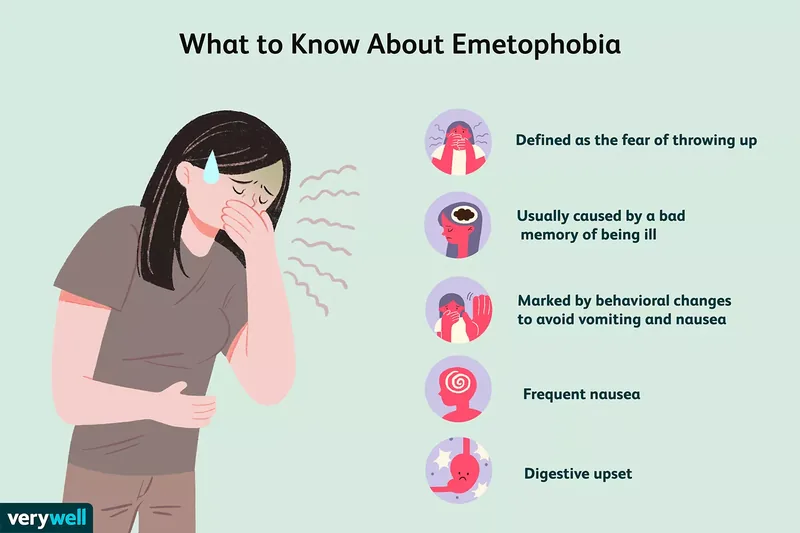
Emetophobia is a specific phobia characterized by an intense, irrational, and persistent fear vomiting? ‘s act, whether it’s one’s own or witnessing others. This condition is more than just a dislike of throwing up; it involves significant anxiety and avoidance behaviors that can severely disrupt daily functioning (Harvard, 2024). It’s a mental health condition classified under specific phobias, meaning the fear is disproportionate to the actual threat.
The phobia can manifest in various ways, from a dread of feeling nauseous to an overwhelming panic at the sight or sound of vomit. Individuals may also fear places where vomiting has occurred, or even specific foods they associate with illness. While research on its prevalence is limited, studies suggest it affects approximately 0.1% of the population, making it a relatively rare but profoundly impactful condition (Harvard, 2024). Many adults report that their fear of throwing up began during childhood, highlighting its deep-seated nature. This phobia can intertwine with other mental health conditions, such as eating disorders or obsessive-compulsive disorder (OCD), creating a complex web of anxieties. For instance, someone with emetophobia might develop restrictive eating habits to avoid any sensation that could lead to nausea, blurring the lines between phobia and disordered eating. Understanding this intricate interplay is crucial for effective diagnosis and treatment, ensuring a holistic approach to recovery in 2025 and beyond.
2. Unpacking the Roots: What Causes the Fear of Throwing Up?
The origins of emetophobia are complex and often multifaceted, extending beyond a simple unpleasant experience with illness. While a negative personal encounter with vomiting, such as a severe bout of food poisoning or an embarrassing public incident, can certainly trigger this fear vomiting? ‘s development, it’s not always the sole cause. For instance, a child who experienced prolonged, uncontrollable vomiting might develop a lasting aversion, associating the act with intense physical and emotional distress. Another common trigger might be witnessing someone else vomit in a particularly traumatic or unexpected context, leaving a lasting impression of dread.
Experts also suggest that emetophobia can be deeply linked to a broader anxiety about a perceived lack of control (Harvard, 2024). Vomiting is an involuntary bodily process, defying conscious regulation, which can be highly distressing for individuals who strive for control in their lives. This inability to command one’s body in such a fundamental way can fuel the fear of throwing up, making the mere possibility feel like a profound threat to their sense of agency. In some cases, the phobia may even stem from observing a parent or caregiver’s intense reaction to vomiting, internalizing that fear. In 2025, mental health professionals continue to explore genetic predispositions and environmental factors, recognizing that a combination of biological vulnerability and lived experiences often contributes to the emergence of this challenging phobia, making each individual’s journey unique.
3. Recognizing the Signs: Common Symptoms of Emetophobia
The symptoms of emetophobia extend far beyond simple anxiety, manifesting as a complex array of emotional, physical, and behavioral responses. Individuals with this intense fear vomiting? ‘s potential can experience significant emotional distress, leading to constant worry and heightened anxiety levels. Physically, they may frequently suffer from nausea, stomach upsets, or even panic attacks triggered by the mere thought or a perceived threat of vomiting (Harvard, 2024). This creates a vicious cycle: the fear causes physical symptoms, which in turn amplify the phobia.
Behaviorally, the impact is often profound. Sufferers may engage in extensive avoidance behaviors, such as refusing to eat certain foods, meticulously checking expiration dates, or even avoiding restaurants altogether. Social isolation can become a significant issue, as individuals might avoid gatherings or public transport due to the anxiety about throwing up or witnessing others do so. Daily life can be severely disrupted, making it difficult to attend work, school, or even leave the house. For example, a person with emetophobia might meticulously plan the fastest route to a restroom in any new building or avoid long car trips unless they are driving, fearing they won’t be able to pull over in time. They might sleep with a towel near their bed or only feel safe in a specific room of their home. This hyper-vigilance towards gastrointestinal sensations, often misappraising normal bodily feelings as signs of impending illness, perpetuates the cycle of fear, underscoring the need for specialized intervention in 2025.
4. Beyond the Nausea: Potential Complications of Emetophobia
If left unaddressed, the fear vomiting? ‘s insidious grip can lead to a cascade of additional mental and physical health complications, significantly eroding an individual’s quality of life. One common co-occurrence is cibophobia, the fear of food, stemming from the worry that certain foods might be undercooked, spoiled, or otherwise lead to illness and subsequent vomiting (Harvard, 2024). This can escalate into severe dietary restrictions, potentially leading to nutritional deficiencies or even developing tendencies resembling anorexia, as individuals may refuse to eat enough to feel full, associating fullness with nausea.
Beyond food-related issues, emetophobia frequently co-occurs with other anxiety disorders. Social anxiety can emerge as individuals avoid social situations for fear of vomiting in public or witnessing someone else vomit. Agoraphobia, a fear of places or situations that might induce anxiety or panic, is also a common complication, leading sufferers to restrict their movements to “safe” environments. For instance, someone might avoid concerts, crowded markets, or even grocery stores, limiting their world to control potential triggers. Research from 2025 continues to highlight strong connections between emetophobia and conditions like generalized anxiety disorder, panic disorder, and depression, with sufferers often experiencing these at higher rates than the general population (Harvard, 2024). The repetitive, ritualistic behaviors often seen in emetophobia, such as constant hand washing or obsessive food checking, also draw parallels to obsessive-compulsive disorder (OCD), further complicating the clinical picture and emphasizing the need for comprehensive mental health support.
5. Proven Pathways to Healing: Effective Treatments for Emetophobia
Overcoming the intense fear vomiting? ‘s debilitating effects is entirely possible with the right therapeutic approach, often involving a combination of therapy, medication, and lifestyle adjustments. Given that emetophobia frequently co-occurs with other anxiety disorders, a tailored treatment plan is crucial. Cognitive Behavioral Therapy (CBT) stands out as a highly effective intervention. CBT helps individuals identify and challenge the irrational thoughts and beliefs surrounding vomiting, replacing them with more realistic and adaptive perspectives (Harvard, 2024). A key component of CBT for emetophobia is exposure-based therapy, where patients are gradually and safely exposed to their feared situations or stimuli, starting with less anxiety-provoking scenarios and slowly progressing to more challenging ones. This might involve watching videos of people vomiting, smelling foul odors, or even consuming foods that previously caused anxiety, all within a controlled environment. A 2016 case study, still relevant in 2025, demonstrated significant reductions in both emetophobia symptoms and panic attacks in an adolescent patient undergoing this type of therapy.
Another promising therapeutic avenue is hypnotherapy, which guides patients into a relaxed, trance-like state where their subconscious mind is more receptive to new suggestions about their phobia. This can effectively “reprogram” the mind to perceive the vomit phobia in a less threatening way, reducing the automatic fear response. In some cases, medication may be a beneficial adjunct to therapy. Healthcare providers might recommend antidepressants, particularly selective serotonin reuptake inhibitors (SSRIs), to help manage underlying anxiety and depression. Benzodiazepines may also be prescribed for short-term relief of severe anxiety or panic attacks, though their use is typically limited due to dependency concerns. Furthermore, gastrointestinal medications can help alleviate physical symptoms like nausea, breaking the self-perpetuating cycle where physical discomfort fuels the phobia. These combined strategies offer a robust toolkit for tackling emetophobia effectively.
6. Implementing Lasting Change: Lifestyle Strategies for Managing Emetophobia
Beyond formal therapy and medication, integrating specific lifestyle practices can significantly bolster an individual’s ability to manage and eventually overcome their fear of throwing up. These strategies empower individuals to take an active role in their recovery, fostering resilience and promoting overall mental well-being. Relaxation techniques are paramount; practices such as mindfulness meditation and deep breathing exercises can effectively ground individuals in the present moment, reducing anxiety and interrupting the cycle of panic (Harvard, 2024). Regularly engaging in these techniques can lower baseline stress levels, making it easier to cope when potential triggers arise. For example, practicing progressive muscle relaxation before meals can help reduce anticipatory nausea.
Prioritizing self-care is another cornerstone of effective management. Ensuring adequate, restorative sleep, typically 7-9 hours per night, is crucial as sleep deprivation can exacerbate anxiety and make one more susceptible to panic. A nutritious, balanced diet also plays a vital role; avoiding highly processed foods, excessive caffeine, or anything that might upset the stomach can reduce physical sensations that might be misinterpreted as impending illness. Regular physical activity, such as brisk walking, yoga, or swimming, is a powerful stress reliever and mood booster, directly contributing to improved mental health (Harvard, 2024). These activities release endorphins and can provide a healthy outlet for anxious energy. Establishing a consistent routine around these elements helps create a stable foundation, making the journey to conquer the fear vomiting? ‘s grip more sustainable. In 2025, a holistic approach that integrates mental, physical, and emotional well-being is increasingly recognized as the most effective path to lasting recovery from phobias.
7. Navigating Challenges: Common Pitfalls and How to Overcome Them
Embarking on the journey to overcome emetophobia can present unique challenges, and being aware of common pitfalls is key to maintaining progress. One significant obstacle is the temptation to rely heavily on avoidance behaviors, which, while offering temporary relief, ultimately reinforce the fear vomiting? ‘s power. For instance, constantly checking food or avoiding social events might feel safe, but it prevents the individual from learning that their fears are often unfounded. To overcome this, gradually challenge these behaviors, perhaps by trying a new, trusted restaurant or attending a short social gathering, starting with small, manageable steps.
Another pitfall is the expectation of instant results. Emetophobia is often deeply ingrained, and recovery is a process, not a single event. Set realistic goals and celebrate small victories to maintain motivation. A setback, such as a moment of intense anxiety, should not be viewed as a failure but as an opportunity to practice coping strategies. For example, if a moment of nausea triggers panic, instead of spiraling, practice deep breathing or grounding techniques learned in therapy. Isolation can also be a challenge; the fear of throwing up can lead individuals to withdraw, but this only exacerbates feelings of loneliness and anxiety. Actively seeking support from trusted friends, family, or support groups can provide encouragement and a sense of community. In 2025, digital support networks and online therapy platforms offer accessible ways to connect and receive professional help, even for those who struggle with leaving their homes. Staying consistent with therapy, practicing lifestyle changes, and maintaining an open dialogue with your healthcare provider are crucial for navigating these challenges and ensuring a successful, sustained recovery.