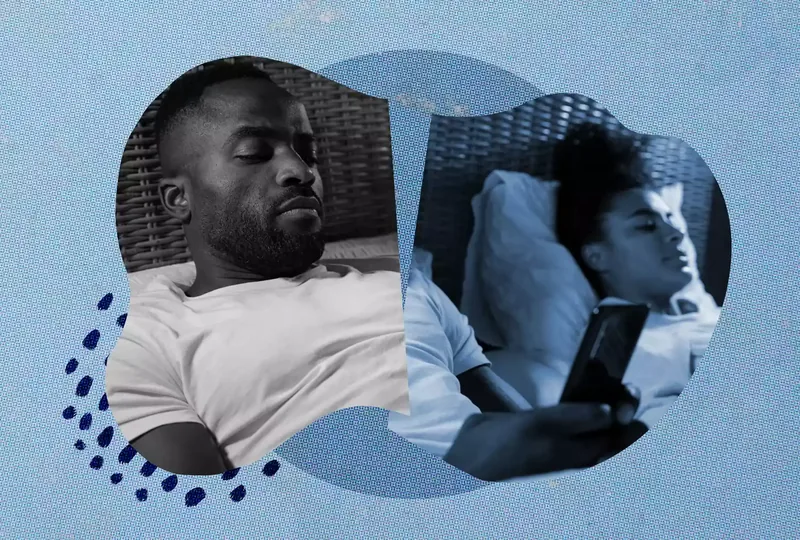
Problematic porn use, often referred to as porn addiction, describes a compulsive engagement with sexually explicit material that feels difficult to control. This behavior often leads to significant distress or creates problems in daily life and relationships. While understanding porn addiction is crucial, it’s important to note that it isn’t an officially recognized medical diagnosis.
Despite its unofficial status, many individuals genuinely struggle with patterns of excessive, problematic porn use. This can negatively impact their mental well-being, personal lives, and intimate relationships. Recognizing the signs of this compulsive behavior is the essential first step toward finding the necessary support and effective treatment.
Key Takeaways
- Porn addiction, though not an official diagnosis, exhibits characteristics similar to other behavioral disorders.
- Compulsive engagement with pornography can disrupt the brain’s reward system, impair intimacy, and negatively affect a partner’s self-esteem.
- Problematic porn use is a relatively common issue that can be effectively managed through targeted treatment and a strong support system.
1. What is Problematic Porn Use?
Problematic porn use refers to a compulsive and uncontrollable engagement with pornography that causes significant distress or negatively impacts daily life, relationships, and mental well-being. While not an official diagnosis, it shares characteristics with other behavioral addictions, leading individuals to prioritize porn consumption over other essential life activities (Harvard, 2024). Many people seek guidance on understanding porn addiction because they experience real-world consequences from their habits.
For many, viewing pornography can be a healthy part of self-exploration, sexual education, or even enhancing intimacy with a partner. However, when this practice becomes a pervasive habit that interferes with responsibilities, relationships, or personal values, it crosses into problematic territory. It’s about the impact and control, not just the act itself. The distinction lies in whether the behavior serves to enrich life or detract from it.
Studies from 2025 continue to show that a significant portion of the adult population consumes pornography regularly, with estimates suggesting between 86% and 96% of men and slightly less for women (Source 1). This widespread consumption highlights that not all use is inherently problematic. However, for a subset of these individuals, the usage patterns become compulsive.
Although the term “porn addiction” is widely used, the medical community often refers to this behavior as “problematic pornographic use” or classifies it under hypersexual disorder (Source 2). This reflects an ongoing debate about its formal diagnostic criteria. Despite the terminological differences, the lived experience of struggling with compulsive porn use is very real for millions.
Individuals grappling with problematic porn use often report a constant craving for erotic content, even when trying to reduce their urges. They may find that other areas of life, such as work, academics, or social interactions, become limited by the overwhelming need to consume porn. This can escalate to watching porn in public or inappropriate settings, such as at work or on public transit, demonstrating a severe loss of control. Statistics from 2025 estimate that problematic porn use affects approximately 3% to 6% of adults, with higher prevalence among young men (Source 3).
2. Recognizing the Signs of Compulsive Porn Use
Understanding porn addiction often begins with recognizing its manifestation in daily life. Compulsive porn consumption typically consumes a significant amount of time and mental energy, leading to a profound loss of control. This can create substantial strain in relationships and negatively impact personal well-being. The signs are often subtle at first but can escalate over time, becoming more overt and disruptive.
An unhealthy relationship with pornography may manifest in several key ways, impacting various facets of an individual’s life. One common indicator is excessive spending on pornographic material, sometimes even at the expense of necessities like rent, food, or bills (Harvard, 2024). This financial strain can be a significant source of conflict and stress within families. Another red flag is engagement in risky sexual behaviors, which might stem from desensitization or a desire for more extreme stimulation.
Many individuals turn to porn as a coping mechanism, using it to manage difficult emotions such as pain, anxiety, sadness, or loneliness. This creates a cycle where emotional distress triggers porn use, which in turn offers temporary relief but ultimately exacerbates underlying issues. Consuming porn at risky or inappropriate times and moments, like during work hours or family gatherings, further signifies a loss of control and disregard for consequences.
A strong indicator of problematic use is experiencing anger or defensiveness when advised to reduce or stop porn consumption. This resistance often highlights a deep-seated inability to quit, despite attempts to do so. Following porn use, individuals frequently experience intense feelings of shame, guilt, or regret, yet find themselves unable to break the habit. This internal conflict is a hallmark of many compulsive behaviors.
The need for escalating content to achieve the same level of pleasure is also a common sign. This “tolerance” effect means individuals progress to more extreme or taboo forms of pornography, as standard content no longer provides satisfaction (Source 6). Consequently, many report finding sexual intercourse with a partner to be less satisfying, as real-life intimacy struggles to compete with idealized pornographic portrayals. Hiding porn habits from sexual partners, friends, or family members is another critical sign, indicating secrecy and a recognition that the behavior is problematic.
3. Understanding the Roots of Problematic Porn Use
When exploring understanding porn addiction, it becomes clear that there isn’t a single, universally accepted cause. While the easy and ubiquitous access to pornography in 2025 certainly plays a role, it doesn’t fully explain why some individuals develop compulsive use patterns while others do not. Research suggests a combination of biological, psychological, and social factors contribute to the development of problematic porn use.
One implicated factor involves brain differences. Biological variations in the chemistry or structure of the brain may predispose certain individuals to behavioral and substance addictions (Harvard, 2024). These differences can affect the brain’s reward pathways, making some people more susceptible to developing compulsive behaviors around activities that release dopamine, such as pornography consumption (Source 7). This neurological vulnerability can make it harder for some to regulate their use.
Cultural factors also play a significant part. Societal expectations regarding appearance, sexuality, and relationships, often amplified by media portrayals, can influence how individuals engage with porn. Unrealistic standards or pressures can lead some to use pornography as an escape or a means to explore desires they feel unable to express in real life. The evolving landscape of online culture in 2025, with its constant stream of content, further complicates these dynamics.
Furthermore, stress or psychological problems are frequently linked to problematic porn use. Viewing pornography can become a form of self-medication or a coping mechanism to manage life stress, anxiety, depression, or other mental health issues. It offers a temporary escape from emotional discomfort, creating a cycle where distress leads to porn use, which then provides fleeting relief but ultimately doesn’t address the root problem. This use as a coping strategy is a key aspect of understanding porn addiction.
Relationship problems can also contribute to individuals turning to pornography. Difficulties with intimate relationships, feelings of loneliness, or unfulfilled sexual desires may lead some to seek solace or gratification through porn. It can serve as a substitute for real-life intimacy, or as a way to avoid confronting relationship challenges. The American Association of Sexuality Educators, Counselors, and Therapists (AASECT) maintains that there is insufficient evidence to classify porn addiction as a mental health condition, highlighting the ongoing debate in the field (Source 4). However, this doesn’t diminish the very real distress individuals experience.
Interestingly, research suggests that believing one is addicted to porn contributes more to psychological distress than the behavior itself (Source 5). This perspective emphasizes the role of self-perception and cultural narratives around sex. Key predictors for problematic porn use include being a young man, experiencing negative mood states, frequent internet use, certain religious beliefs (which can create internal conflict), and sexual boredom (Source 3). These factors collectively paint a complex picture of the various influences at play.
4. The Impact of Excessive Porn Use on Your Life
The widespread accessibility of pornography in 2025 makes it easier than ever for individuals to develop a dependency on erotic material, leading to a range of significant negative consequences. Understanding porn addiction requires a clear grasp of how it can fundamentally alter various aspects of a person’s life, from brain function to interpersonal relationships and overall well-being.
One profound impact is changes in the brain. Studies examining the addictive nature of porn have revealed that individuals who consume high amounts of erotic material exhibit increased brain reactions when presented with pornographic cues (Source 6). Similar to other addictions, viewing porn affects the brain’s reward pathways, particularly impacting dopamine, a neurotransmitter crucial for pleasure and cravings (Source 7). This neurological response mirrors what is observed in individuals with substance or gambling addictions, where specific prompts trigger intense cravings and reward anticipation.
Excessive porn use can lead to reduced intimacy between partners. While anyone can develop problematic porn habits, it often affects men more frequently, creating significant challenges for their partners (Source 3). Men who engage in frequent porn consumption, particularly less affectionate forms, tend to pull away emotionally from their significant others (Source 8). This withdrawal can foster secrecy, erode trust, and increase the risk of depressive states for both individuals in the relationship. A partner might feel deeply hurt, questioning their own desirability or ability to satisfy.
This emotional distancing often results in lower self-esteem for the partner. When a significant other consistently chooses porn over physical intimacy, it can be a devastating blow. Questions about their physical attractiveness, sexual performance, and overall worthiness might consume the partner of someone struggling with hypersexual behavior. For example, a partner might start comparing themselves to the often unrealistic bodies and scenarios depicted in pornography, leading to feelings of inadequacy.
Another significant consequence is less satisfaction with real-life sex. Individuals may begin to feel that their own appearance or sexual abilities don’t measure up to the idealized portrayals in porn. This constant comparison can make genuine intimacy seem less exciting or fulfilling, creating a disconnect between fantasy and reality. This pressure can diminish the joy and spontaneity of sexual experiences, leading to a vicious cycle where real sex is less satisfying, prompting further reliance on porn (Harvard, 2024).
Furthermore, excessive porn use often results in impaired daily functioning. The time and mental preoccupation dedicated to porn can disrupt routines, lower productivity at work or school, and make it harder to fulfill responsibilities at home or in social settings. When the urge to consume porn takes priority over self-care, professional duties, or social engagements, daily life can become increasingly challenging and unmanageable. For instance, an individual might miss important deadlines at work or neglect household chores, leading to professional repercussions or domestic conflict.
Finally, problematic porn use is associated with an increased risk for mental health disorders. A heightened appetite for erotic material has been linked to anxiety disorders, mood disorders like depression, and even substance abuse challenges (Source 3). While speculative, excessive pornographic consumption has also been linked to sexual dysfunctions such as erectile dysfunction, further compounding the physical and psychological toll.
5. Proven Strategies to Get Help for Porn Addiction
Since compulsive porn consumption is not officially classified as a disorder, treatment options are continuously evolving. However, numerous effective strategies have been adopted to manage its effects and support individuals in regaining control. Understanding porn addiction is the first step, and seeking help is the most crucial action.
Step 1: Acknowledge the Problem and Seek Support. The journey to recovery begins with self-awareness and accepting that a problem exists. Many people find it helpful to confide in a trusted friend, family member, or a supportive community. This initial step can alleviate feelings of isolation and shame, creating a foundation for moving forward. Recognizing the impact on your life and relationships is paramount.
Step 2: Engage in Professional Therapy and Counseling. Speaking with a qualified mental health professional is one of the most effective ways to address negative behavioral patterns. Various therapeutic approaches can be beneficial. Individual therapy, such as Cognitive Behavioral Therapy (CBT), helps individuals identify triggers, challenge distorted thoughts, and develop healthier coping mechanisms. Techniques like Acceptance and Commitment Therapy (ACT) can also foster psychological flexibility. Additionally, family therapy and relationship counseling can be invaluable for navigating the complexities this condition creates within intimate relationships (Harvard, 2024). These sessions provide a safe space to discuss feelings of guilt, compulsion, and the emotional and intimacy challenges caused by the habit. Therapists can help both partners understand the dynamics at play and work towards rebuilding trust and connection.
Step 3: Explore Medication Options Under Medical Supervision. For some individuals, medication can be a supportive measure in managing erotic dependence. Naltrexone, a medication typically used to manage alcohol dependence and opioid addiction, may be recommended (Source 9). Naltrexone works by blocking opioid receptors in the brain, which can help to reduce both the craving for porn and the satisfaction derived from consuming it. It’s crucial that any medication use is carefully supervised by a board-certified medical professional who can assess suitability, dosage, and potential side effects.
Step 4: Develop Healthy Coping Mechanisms and Lifestyle Changes. Beyond formal therapy, individuals can proactively develop healthier ways to manage stress, boredom, or negative emotions that might trigger porn use. This includes engaging in regular physical activity, practicing mindfulness or meditation, pursuing hobbies, or connecting with nature. Building a robust support network through groups like Sex Addicts Anonymous (SAA) or other recovery communities can provide a sense of belonging and shared understanding. Replacing the time spent on porn with constructive and fulfilling activities is key to rewiring brain pathways and building a more balanced life. For example, instead of turning to porn when feeling stressed, an individual might commit to a 30-minute walk, read a book, or call a supportive friend.
6. Navigating Challenges and Sustaining Recovery
Sustaining recovery from problematic porn use is an ongoing process that often involves navigating various challenges. Understanding porn addiction means recognizing that recovery is not a linear path, and setbacks can occur. However, with the right strategies and persistent effort, long-term well-being and improved relationships are entirely achievable.
One of the most common challenges is the risk of relapse. Triggers can be pervasive in a digital world, making it difficult to completely avoid exposure to content or situations that might prompt old habits. It is crucial to view relapse not as a failure, but as an opportunity to learn and reinforce coping strategies. Having a clear relapse prevention plan, developed with a therapist, can help individuals identify high-risk situations and implement immediate countermeasures (Harvard, 2024). This might involve calling a sponsor, engaging in a planned alternative activity, or revisiting therapeutic exercises.
Another significant hurdle is the persistent feeling of shame and guilt. Even in recovery, these emotions can linger, making it difficult to fully embrace a new, healthier identity. Open communication with therapists and trusted support groups can help process these feelings, fostering self-compassion and acceptance. It’s important to remember that problematic porn use is a behavior, not a reflection of inherent worth.
Partner’s skepticism or difficulty rebuilding trust is also a common challenge. The secrecy and emotional withdrawal associated with problematic porn use can deeply damage intimate relationships. Rebuilding trust requires consistent effort, transparency, and often, couples counseling. Partners need reassurance, open dialogue about boundaries, and visible commitment to change. This process can be slow and requires patience from both individuals.
Finding specialized help can sometimes be challenging, as the field of sex addiction therapy is still evolving. However, resources are increasingly available online and through professional organizations that specialize in behavioral addictions. In 2025, online therapy platforms and digital support groups have made access to qualified professionals more convenient and discreet, which can be particularly beneficial for those feeling isolated or embarrassed.
To sustain recovery, individuals must commit to ongoing therapy and self-care practices. Regular check-ins with a therapist can help reinforce coping skills, address new challenges, and provide accountability. Mindfulness practices, such as meditation, can enhance self-awareness and emotional regulation, helping individuals respond to urges rather than react impulsively. Setting clear digital boundaries, including website blockers or limiting internet access during vulnerable times, is also crucial in the modern era.
The results of dedicated recovery efforts are profound and transformative. Individuals experience improved mental well-being, characterized by reduced anxiety, depression, and shame. Relationships often heal and deepen, fostering greater intimacy, trust, and genuine connection. Regaining control over one’s life means more time for personal growth, career development, and meaningful social interactions. Ultimately, recovery leads to a more authentic and satisfying life, where sexual expression is integrated into healthy, consensual, and fulfilling ways, rather than being driven by compulsion.
9 Sources
- Rosser BR, Grey JA, Wilkerson JM, et al. A commentary on the role of sexually explicit media (SEM) in the transmission and prevention of HIV among men who have sex with men (MSM).AIDS Behav. 2012;16(6):1373-1381. doi:10.1007/s10461-012-0135-z
- Sharpe M, Mead D. Problematic pornography use: Legal and health policy considerations.Curr Addict Rep. 2021;1-12. doi:10.1007/s40429-021-00390-8
- de Alarcón R, de la Iglesia JI, Casado NM, Montejo AL. Online porn addiction: What we know and what we don’t-A systematic review.J Clin Med. 2019;8(1):91. doi:10.3390/jcm8010091
- American Assoication of Sexuality Educators, Counselors, and Therapists. AASECT position on sex addiction.
- Grubbs JB, Stauner N, Exline JJ, Pargament KI, Lindberg MJ. Perceived addiction to Internet pornography and psychological distress: Examining relationships concurrently and over time.Psychology of Addictive Behaviors. 2015;29(4):1056-1067. doi:10.1037/adb0000114
- Gola M, Wordecha M, Sescousse G, et al. Can pornography be addictive? An fMRI study of men seeking treatment for problematic pornography use.Neuropsychopharmacology. 2017;42(10):2021-2031. doi:10.1038/npp.2017.78
- Shu Q, Tang S, Wu Z, et al. The impact of internet pornography addiction on brain function: a functional near-infrared spectroscopy study.Front Hum Neurosci. 2025;19:1477914. doi:10.3389/fnhum.2025.1477914
- BRIDGES A, MOROKOFF P. Sexual media use and relational satisfaction in heterosexual couples.Pers Relatsh. 2010;18(4):562-585. doi:10.1111/j.1475-6811.2010.01328.x
- Savard J, Öberg KG, Chatzittofis A, Dhejne C, Arver S, Jokinen J. Naltrexone in compulsive sexual behavior disorder: A feasibility study of twenty men.J Sex Med. 2020;17(8):1544-1552. doi:10.1016/j.jsxm.2020.04.318