We've all felt it: that nagging voice whispering that you're not quite good enough, that everyone else has it more together. But is that inner critic a sign of healthy self-awareness, or is it the echo of a deeper insecurity? Distinguishing between genuine confidence and an inferiority complex is crucial for understanding your self-worth and navigating your relationships. An inferiority complex, at its core, is a persistent feeling of inadequacy--a belief that you are less capable or important than others. This can warp your self-image and create significant social friction, often stemming from a blend of perceived flaws and actual experiences (American Psychological Association, 2022).
Understanding the Core Difference
The line between confidence and its opposite can be surprisingly blurry, especially when feelings of inadequacy masquerade as self-deprecation or humility. Genuine confidence isn't about believing you're perfect; it's about accepting your imperfections while recognizing your inherent strengths and worth. It allows you to face challenges with resilience and engage with others authentically. In contrast, an inferiority complex is a deeply ingrained belief that you are fundamentally flawed or less than others. This isn't just a bad day; it's a pervasive mindset that can sabotage your efforts and relationships (Adler, 1964). The key difference lies in whether your self-perception is rooted in realistic self-assessment or a distorted, negative lens.
Signs You Might Be Dealing With Inferiority
Recognizing an inferiority complex isn't always straightforward, as its manifestations can be subtle or even appear as overcompensation. However, several common patterns often emerge. You might find yourself constantly seeking external validation, needing praise to feel adequate, or meticulously analyzing every compliment and criticism, trying to find the hidden negative meaning. This persistent need for external approval is a red flag.
Socially, you may withdraw from friends and colleagues, especially in group settings, feeling as though you don't measure up. There's a tendency to avoid competitive situations or new challenges altogether, not out of a lack of skill, but from a deep-seated fear of comparison and potential failure.
Interestingly, some individuals with an inferiority complex might unconsciously try to make others feel insecure. This defense mechanism, a form of overcompensation, aims to elevate their own perceived status by subtly diminishing those around them. It's a way to momentarily escape the discomfort of their own feelings of inadequacy. The question is it confidence inferiority often arises when these behaviors become habitual.
What Fuels These Deep-Seated Feelings?
Feelings of inadequacy rarely appear out of nowhere; they are often nurtured over time by a complex interplay of experiences. Childhood is a critical period for developing self-esteem, and negative experiences during these formative years can have lasting impacts. Growing up with overly protective or critical caregivers can inadvertently foster a sense of helplessness or worthlessness. Imagine a child constantly told they can't do anything without help; they might grow into an adult who genuinely believes they are incapable.
Adverse Childhood Experiences (ACEs), such as emotional neglect or abuse, can profoundly damage a child's sense of self, leading to deep-seated beliefs of being unlovable or flawed. Similarly, persistent bullying or social exclusion can instill a sense of not belonging or being inherently different in a negative way.
Beyond childhood, certain physical characteristics or perceived flaws can become focal points for insecurity. This isn't about vanity; it's about how deeply ingrained societal pressures about appearance can affect self-perception. For instance, someone with a noticeable speech impediment might avoid public speaking, not just due to the challenge, but because of years of feeling judged or inadequate.
Economic and social challenges also play a significant role. Constantly struggling financially, especially when friends or peers are more secure, can lead to feelings of shame and inadequacy. Having to rely on others for financial assistance can erode self-reliance and confidence. Even seemingly minor social setbacks, like difficulty forming romantic relationships or experiencing public embarrassment, can contribute to a pervasive sense of not being 'good enough,' fueling the core question: is it confidence inferiority?
The Real-World Impact of Living With Inferiority
When the belief that you're less than others becomes a constant companion, it casts a long shadow over your daily life. The mental energy expended on constantly comparing yourself and worrying about how you're perceived can be exhausting. This internal struggle can manifest in several detrimental ways.
One significant risk is an increased susceptibility to unhealthy coping mechanisms. To escape the discomfort of feeling inadequate, individuals might turn to substance abuse, such as alcohol or drugs, as a temporary balm. While offering fleeting relief, these habits often exacerbate feelings of worthlessness and can lead to serious health complications (Alavi et al., 2011).
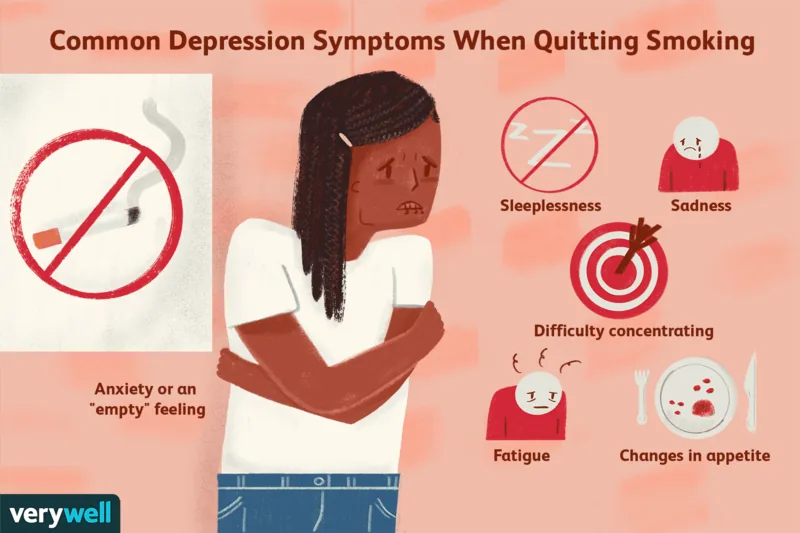
The emotional toll can be profound, often leading to depression. The persistent self-doubt, the feeling of not measuring up, and the frustration of perceived failures can create a heavy burden of sadness and hopelessness. This is particularly true when social interactions become a source of anxiety rather than connection.
Your professional and social life can also suffer. The fear of not being competent enough might distract you from your work, hindering performance. You might avoid opportunities for growth or advancement because you don't believe you can succeed. Socially, the constant pressure to prove yourself or, conversely, the desire to retreat, can strain relationships. Some may find themselves avoiding social gatherings altogether, while others might engage in passive-aggressive behaviors to protect their fragile ego, ultimately alienating others.
Beyond these, living with an inferiority complex can disrupt sleep patterns, leading to insomnia or other sleep disorders. In severe cases, the persistent feelings of worthlessness and hopelessness can tragically increase the risk of suicidal ideation (Hirao, 2014). It's a heavy price to pay for a distorted self-view.
Strategies for Reclaiming Your Worth
The good news is that an inferiority complex doesn't have to define you. Recognizing these patterns is the first, powerful step toward change. It's about shifting from a mindset of lack to one of abundance, understanding that your unique qualities are valuable.
Therapy is a cornerstone for addressing deep-seated feelings of inadequacy. Approaches like Cognitive Behavioral Therapy (CBT) are incredibly effective. A therapist can help you identify the negative thought patterns that fuel your feelings of inferiority and guide you in replacing them with more realistic and positive self-perceptions. It's a safe space to challenge those long-held beliefs and build a stronger foundation of self-esteem.
Journaling can be a potent tool for self-discovery and healing. Regularly writing down your thoughts, feelings, and experiences can help you pinpoint specific triggers for your insecurities. More importantly, you can use your journal to actively counter negative self-talk. Write down your accomplishments, no matter how small, and articulate your strengths and positive qualities. This practice reinforces your inherent value and reminds you of your capabilities.
Positive affirmations, when practiced consistently, can rewire your brain's default negative pathways. Make it a daily habit to speak kindly to yourself. Tell yourself you are capable, worthy, and deserving of happiness. While it might feel unnatural at first, the repetition can gradually shift your internal dialogue and strengthen your belief in your own abilities. It's about consciously choosing to nurture a more positive self-image, transforming the internal conversation from is it confidence inferiority to a resounding 'I am capable.'
Embracing these strategies requires patience and self-compassion. It's a journey of rebuilding trust in yourself, one small, positive step at a time. Remember, your worth is not determined by external comparisons but by your intrinsic value as a human being.