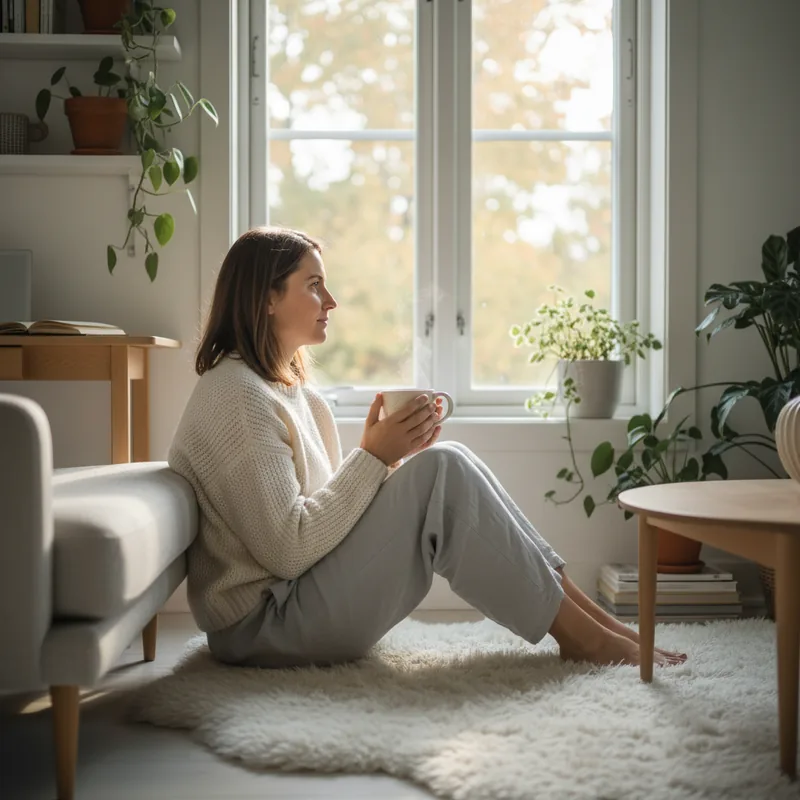
Picture this: The weight of daily demands presses down, your mind races with an endless to-do list, and the world outside feels relentlessly loud. In these moments, finding a refuge isn't just a luxury; it's a necessity for mental well-being. A 'safe space' is more than just a physical location; it's a sanctuary, a judgment-free zone where you can truly unwind, recharge, and be yourself. Understanding how to create your own personal haven is a powerful step towards managing stress and fostering emotional resilience. It's about intentionally designing environments--both tangible and intangible--that offer comfort and peace when you need it most.
Cultivating External Havens for Connection
While the idea of a safe space often conjures images of solitude, true emotional security frequently stems from meaningful connections. Building a supportive social ecosystem is crucial for weathering life's storms. Whether facing profound stress, navigating trauma, or simply seeking understanding, external havens can provide invaluable solace. Here are strategies for how to create your network of support:
Embrace Community and Shared Experiences
For significant challenges, professional therapists and structured support groups offer guided, empathetic environments. These spaces are specifically designed for individuals dealing with overwhelming situations, providing a platform for shared experiences and expert coping strategies. However, for everyday stressors, less formal communities can be equally impactful.
Consider joining groups centered around shared passions. Beyond traditional exercise classes like yoga or Pilates, explore local book clubs, gardening societies, or art workshops. These activities naturally foster connections with like-minded individuals, creating mini-communities focused on positive engagement and mutual encouragement. The shared pursuit often leads to deeper bonds and a sense of belonging (University of California, 2023).
Curate Your Digital Connections
Social media often gets a bad rap for increasing stress, with its endless highlight reels and curated perfection. Yet, it also guides you on how to create your own supportive online communities. The key lies in mindful engagement. Actively mute or unfollow accounts that trigger anxiety or negativity, and instead seek out groups aligned with your interests--be it a forum for vintage photography enthusiasts, a Discord server for aspiring writers, or a Facebook group dedicated to sustainable living.
These digital spaces, when intentionally curated, can offer a sense of belonging and a platform for judgment-free interaction. They allow you to connect with others who truly understand your niche passions or unique perspectives, offering support without the pressure of face-to-face interaction when you need a gentle connection.
Nurture Your Inner Circle
Sometimes, the simplest solutions are the most profound. Identify the people in your life who consistently uplift you, make you laugh, and offer genuine understanding. Make a conscious effort to schedule regular meet-ups with these individuals. It could be a weekly coffee date, a monthly dinner party, or even a standing video call. These consistent interactions reinforce emotional bonds and create a reliable source of comfort and validation.
The act of gathering with trusted friends, whether it's for a board game night or a hike in nature, can be incredibly replenishing. These recurring engagements build a strong foundation of emotional support, ensuring you have a reliable "go-to" group when life feels overwhelming.
Designing Your Personal Home Sanctuary
Beyond external connections, the physical environment of your home plays a pivotal role in your mental well-being. For many, especially introverts, the home is the ultimate retreat. Delving into how to create your home into a true sanctuary means crafting a space that actively reduces stress and promotes relaxation.
Begin by decluttering and organizing, as a chaotic environment often mirrors a chaotic mind (Harvard Health, 2024). Once the physical space is clear, infuse it with elements that bring you joy and peace. Display photographs of loved ones and cherished memories. Incorporate soft lighting, perhaps with dimmer switches or warm lamps, to create a soothing ambiance. Engage your sense of smell with essential oil diffusers featuring calming scents like lavender or chamomile, or light your favorite scented candles.
Consider dedicating a specific corner or room as your designated 'retreat spot.' This might be a cozy reading nook with a plush armchair, a soft blanket, and a stack of inspiring books. Add elements like a small indoor plant collection to bring nature indoors, or a comfortable meditation cushion. Play your favorite calming music or ambient sounds. The goal is to create an environment where every detail contributes to a sense of calm and safety, allowing you to truly let your guard down and recharge.
Building Inner Resilience for Lasting Peace
While external and physical safe spaces are vital, the most enduring sanctuary lies within ourselves. Exploring how to create your inner strength and resilience ensures that you carry a sense of safety and control wherever you go, regardless of external circumstances. This involves a journey of self-discovery and self-care that empowers you to navigate challenges with greater ease.
Cultivate the courage to set healthy boundaries and say "no" without guilt. Understanding your limits and communicating them effectively protects your energy and prevents overwhelm. Practice self-compassion, acknowledging your strengths and celebrating your successes, no matter how small. Keep a gratitude journal to shift your focus towards positive aspects of your life, reinforcing a sense of inner peace and abundance (Mayo Clinic, 2023).
By actively working on your self-esteem and developing robust coping mechanisms, you build an internal fortress against the pressures of the world. This profound sense of self-assurance means you're not just creating safe spaces to escape to, but rather empowering yourself to feel safe and secure within your own skin, transforming every interaction and every environment into a potential space for growth and peace.