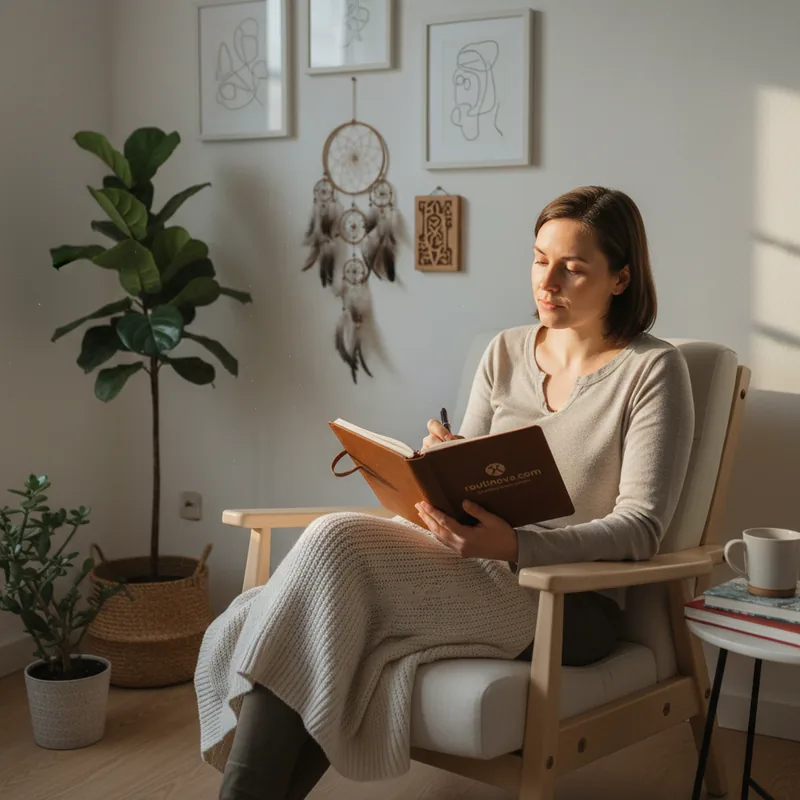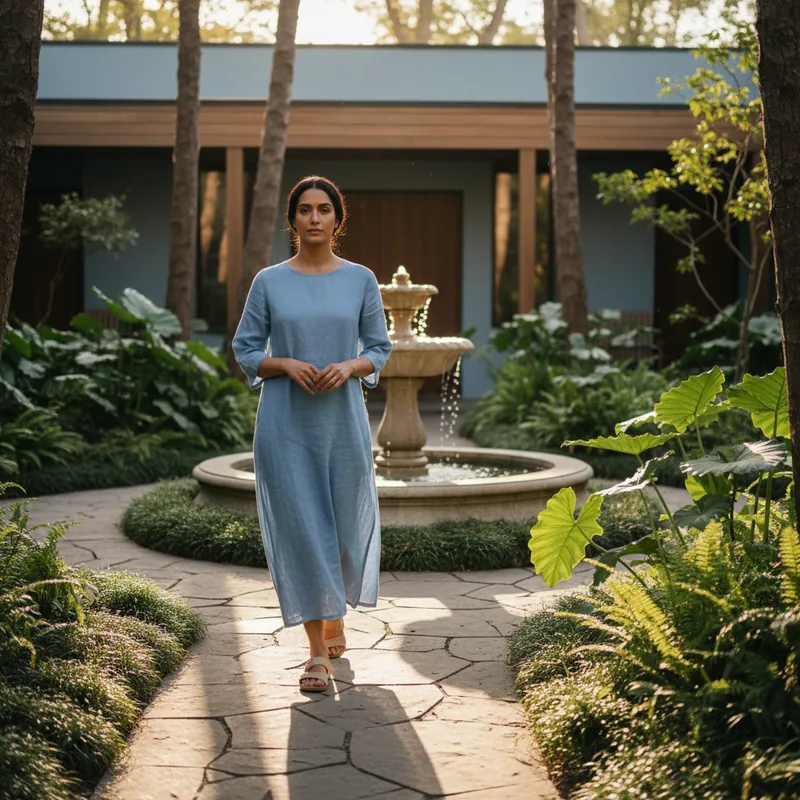
Does the mere thought of sitting still for twenty minutes make your palms sweat? For many of us, the idea of traditional meditation, while appealing, often feels like another impossible task on an already overflowing plate, or worse, a direct invitation for anxiety to take center stage. When life feels like one long, relentless to-do list, finding genuine calm seems like a luxury we can't afford.
Here's the thing: you don't have to force stillness to find peace. To move your body, calm your mind isn't just a catchy phrase; it's a powerful pathway to reducing stress and anxiety, especially when sitting meditation feels out of reach. Instead of battling your busy brain in silence, what if you could tap into mindfulness through gentle, repetitive movements that actually feel good?
As a working mother navigating the relentless pace of modern life, I know firsthand the daily grind of stress and overwhelm. We're constantly searching for practical ways to quiet the internal noise, and while meditation holds immense promise--improving emotional regulation, concentration, and sleep (Harvard Health, 2023)--its execution can be a significant hurdle. For those of us with a history of trauma or chronic pain, the act of "sitting with" distressing sensations can often amplify them, creating a vicious cycle of agitation rather than calm.
But here's where it gets interesting: you can absolutely reap the profound benefits of mindfulness without ever having to sit still. This approach acknowledges that stress often gets trapped in our bodies, manifesting as tension, fatigue, and that pervasive anxious hum. The good news? Movement is a potent antidote, helping us release what's stuck and gently guide our nervous system back to a state of equilibrium. It's about discovering how to move your body, calm your mind, on your own terms.
The Hidden Power of Mindful Movement
Many of us carry the weight of past stressors and the relentless pressure of current demands. This often pushes us into a chronic state of "survival mode," characterized by muscle tension and mental exhaustion. Anxiety, in this context, frequently signals a freeze response--that unsettling feeling of helplessness when faced with situations we can't control or escape. And that's exactly why movement is such a game-changer.
Think about it: when your body feels trapped, movement offers liberation. It acts as a powerful release valve, helping to dissipate the physical manifestations of stress. Beyond just burning calories, repetitive, mindful movement can usher us into a state akin to meditation, prompting our bodies to hit the reset button and activate their innate healing mechanisms (NIH, 2024). This isn't just about physical benefits; it's a profound tool for mental and emotional well-being.
This integration of body and mind, facilitated by rhythmic activity, works to rewire your brain for greater calm and wholeness. It's a powerful way to ground yourself, counteracting the incessant worry that often accompanies anxiety. Instead of getting lost in a labyrinth of thoughts, mindful movement gently pulls you back into your body, connecting you to the present moment and to the earth beneath your feet. This grounding effect can reduce inflammation, elevate mood, and bolster your immune response (University of Arizona, 2022), providing a much-needed sense of security and centeredness when life feels overwhelming. It's a direct path to truly move your body, calm your mind.
5 Ways to Move Your Body, Calm Your Mind
You don't need a meditation cushion or a silent retreat to cultivate inner peace. Any gentle, repetitive movement, performed with awareness, can unlock similar meditative benefits. The key is to slow down, focus on the sensations, and choose activities you genuinely enjoy. This way, it becomes a welcome ritual, not another chore. Here are some powerful practices to help you move your body, calm your mind:
1. Mindful Walking
Walking is perhaps the most accessible anxiety-reducing technique. It's a natural way to clear your head, release pent-up stress, and invite mindfulness. When you walk in nature, the effect is amplified, leaving you feeling simultaneously energized and deeply relaxed. Focus on the rhythm of your steps, the sensation of your feet on the ground, and the sights and sounds around you.
2. Hatha Yoga
For many, Hatha yoga offers a deeply rewarding journey of body-mind integration. This gentle practice combines conscious breathing with physical postures (asanas), leading you into a state of mindful presence and holistic well-being. It's incredibly accessible; you can explore countless free tutorials online to begin your practice at home.
3. Gardening: Nature's Meditation
Few activities connect us to our surroundings as profoundly as gardening. It's an exceptional antidote for anxiety and the incessant "monkey mind." As you engage all your senses--the smell of the earth, the feel of soil, the vibrant colors of plants--you can easily enter a state of flow, becoming fully absorbed in the present moment. Gardening is inherently grounding, transforming your outdoor space into a personal sanctuary.
4. Swimming
The rhythmic strokes and deep, controlled breathing involved in swimming naturally lull you into a state of profound relaxation. The minimal distractions of being submerged allow for singular focus, making it an excellent tension reliever. All you truly need is access to a body of water, and you'll discover a unique form of moving meditation.
5. Dancing: Expressive Release
Dancing is a powerful, expressive form of movement that allows you to tap into your body's innate healing wisdom. It connects you to your physical self in elemental ways, providing an outlet for emotions that are often difficult to verbalize--a particular benefit for those navigating trauma or anxiety. Mindful dancing fosters self-awareness, embraces creativity, and cultivates a comforting flow of physical sensations, anchoring you firmly in the present moment for deep healing.
Integrating Mindful Movement into Your Day
The beauty of mindful movement is its adaptability. You don't need dedicated hours; even small, consistent practices can make a significant difference. The goal is to weave these conscious movements into the fabric of your daily life, transforming routine actions into moments of presence and calm.
When you choose a practice, whether it's walking, dancing, or a simple stretch, actively draw your attention to the physical sensations. Notice your feet touching the ground, the swing of your arms, the subtle shifts in your body. Follow your breath as it flows in and out, allowing the rhythmic nature of your movements to gently soothe your mind. Engage your senses: listen to the sounds, notice the smells, feel the textures of your surroundings. These sensory anchors are powerful tools for staying present.
Try incorporating new mindful movement examples: practice mindful dishwashing, focusing on the warmth of the water, the feel of the suds, and the motion of your hands. Take a stretch break every hour at your desk, consciously elongating your spine or rolling your shoulders. Even simple tasks like mindfully brewing your morning tea--feeling the weight of the mug, watching the steam rise, savoring the aroma--can become a grounding ritual. The key is to observe your experience without judgment, and whenever your mind wanders, gently guide it back to the movement, back to the now.
This isn't about perfection; it's about persistence. Make mindful movement a non-negotiable part of your self-care. It's a gentle, supportive way to reset your mind and release stress from your body. And in moments of intense struggle or overwhelm, remember that actively moving your body can be a more effective way to release anxious energy than attempting to sit still.
Your Journey to Inner Calm Starts Now
I used to find my walks were just another opportunity for rumination, my mind racing through worries and tasks. With consistent practice, I learned to gently redirect my focus. Now, I notice the scent of pine, the warmth of the sun on my skin, the breeze against my neck, and the subtle resonance of each step through my body. This shift allows me to truly see the beauty around me, filling my heart with gratitude and a quiet joy that fuels my entire day.
While I've found immense value in traditional sitting meditation, my temperament thrives on movement and connection with nature. This is why practices like walking and gardening resonate so deeply with me. Think about what truly heals you, what brings you pleasure, and what helps you to move your body, calm your mind.
Then, bring that same awareness and intention to developing a practice that integrates that joy into your everyday life--whether it's through movement, a creative pursuit, or simply playful exploration. Your peace, your presence, and your well-being are profoundly worth the effort.