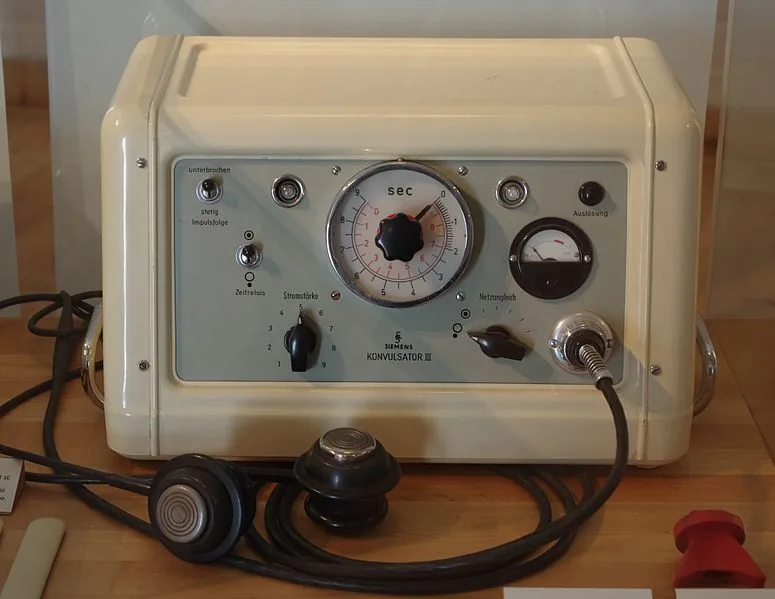
If you or a loved one are grappling with severe mental health conditions that haven't responded to traditional treatments, you might be wondering about options beyond medication and therapy. Electroconvulsive therapy, or ECT, is a medical procedure that might seem daunting, but it offers a powerful, albeit often misunderstood, pathway to recovery for many. Understanding how electroconvulsive therapy (ECT) works is the first step to demystifying this treatment.
What is Electroconvulsive Therapy (ECT)?
Electroconvulsive therapy (ECT) is a medical treatment that involves inducing a brief, controlled seizure in the brain while the patient is under general anesthesia and muscle relaxants. First developed in the late 1930s, it has evolved significantly over the decades. Today, it's a refined procedure primarily used for individuals with severe mental health conditions that have proven resistant to other forms of treatment. It's estimated that around 100,000 people in the United States undergo ECT annually, often finding significant relief when other avenues have been exhausted (Thompson et al., 1994).
While the idea of a seizure can be unsettling, the process is carefully managed by a medical team to ensure safety and minimize discomfort. The goal is to leverage the brain's response to a controlled seizure to help alleviate symptoms of serious psychiatric disorders. This treatment is particularly vital for those experiencing debilitating depression, severe mood swings, or psychosis, offering a chance for rapid improvement.
Understanding the Two Main Types of ECT
The way ECT is administered can vary, leading to two primary types, distinguished by electrode placement and their effect on brain activity:
- Bilateral ECT: In this method, electrodes are placed on both sides of the scalp. This approach targets the entire brain, aiming for a broad impact on mood regulation and cognitive function. It's often considered for more severe or treatment-resistant cases.
- Unilateral ECT: This technique involves placing one electrode on the top of the head and the other on a specific temple, typically the right side. The electric current is directed through only one hemisphere of the brain. While potentially causing fewer cognitive side effects for some, it may require more sessions to achieve the same therapeutic effect as bilateral ECT.
The choice between bilateral and unilateral ECT depends on a thorough assessment of the individual's condition, medical history, and the specific symptoms being targeted. Your doctor will discuss which approach is best suited for your needs.
What to Expect During an ECT Procedure
The process of how electroconvulsive therapy (ECT) works on the day of treatment is designed for patient safety and comfort. Here's a typical rundown of what happens:
Before the procedure, you'll receive a short-acting anesthetic to ensure you are comfortably asleep and feel no pain. Simultaneously, a muscle relaxant is administered to prevent strong physical contractions during the induced seizure. This is crucial for patient safety and allows the medical team to monitor the seizure activity accurately.
Once you are sedated, two sets of electrodes are carefully placed on your scalp. One set is used to monitor your brain's electrical activity, while the other delivers a brief, controlled electrical current. This current is precisely calibrated to induce a generalized seizure, which typically lasts for about 40 seconds. Throughout this, you remain completely unaware and pain-free.
Following the seizure, you'll be taken to a recovery area. Most people wake up within a few minutes, often feeling disoriented but without memory of the seizure itself. It's important to note that you will not be able to drive on the day of your treatment and will need arrangements for transportation.
The treatment itself is relatively brief, usually lasting only 5 to 10 minutes. However, the entire process, including preparation and recovery, requires more time. The number and frequency of ECT sessions are tailored to the individual, often starting with two to three sessions per week for an average of six to 12 treatments. This course is frequently followed by maintenance therapy to sustain improvements.
Conditions ECT Can Help Treat
Electroconvulsive therapy (ECT) is reserved for situations where other treatments have fallen short. It's particularly effective for conditions characterized by severe symptoms or a high risk of harm to oneself or others. Here are some of the key conditions for which ECT is a valuable treatment option:
- Treatment-Resistant Depression: This is perhaps the most well-known use of ECT. When individuals don't respond to antidepressants or psychotherapy, ECT can provide significant relief, with studies showing remission rates for a substantial percentage of patients (Brus et al., 2017).
- Severe Depression with Psychotic Features: For those experiencing depression accompanied by delusions or hallucinations, ECT can be highly effective in reducing both depressive and psychotic symptoms.
- Bipolar Disorder: ECT is used to treat severe manic or depressive episodes associated with bipolar disorder, especially when rapid symptom control is necessary.
- Catatonia: This psychomotor condition, marked by immobility, unusual movements, or lack of responsiveness, often associated with schizophrenia or mood disorders, responds remarkably well to ECT, with success rates reported between 80% and 100% (Luchini et al., 2015).
- Schizophrenia: While not typically a first-line treatment for schizophrenia, ECT can be beneficial for specific symptoms or when other antipsychotic treatments are ineffective or poorly tolerated. It can also be used as an adjunct to antipsychotic medications like clozapine to enhance efficacy (Wang et al., 2018).
- Severe Agitation and Aggression in Dementia: For individuals with dementia experiencing severe behavioral disturbances, ECT can help calm agitation and aggression, improving their quality of life and that of their caregivers (Van den Berg et al., 2018).
- Postpartum Psychosis and Severe Perinatal Depression: ECT offers a safe and rapid treatment option for severe depression or psychosis occurring during pregnancy or after childbirth, minimizing risks to the fetus or infant associated with certain medications.
- Parkinson's Disease-Related Depression and Other Symptoms: Beyond mood, ECT has shown efficacy in managing depression associated with Parkinson's disease, as well as improving motor symptoms in some cases or managing related syndromes (Grover et al., 2018).
The precise mechanism of how electroconvulsive therapy (ect) works is still under investigation. Current theories suggest that the induced seizure may help to reset neural circuits, correct imbalances in neurotransmitters (chemical messengers in the brain), or stimulate the growth of new brain cells, ultimately leading to symptom improvement (Salik & Marwaha, 2020).
Benefits and Effectiveness of ECT
Despite the stigma that has historically surrounded it, ECT is recognized as a highly effective treatment for specific severe mental health conditions. Its primary advantages lie in its speed and efficacy, particularly when other interventions have failed.
One of the most significant benefits of ECT is its rapid action. For individuals in acute crisis, experiencing severe suicidal ideation, or rapidly deteriorating, ECT can bring about symptom relief much faster than medications or psychotherapy alone. This swift response can be life-saving.
Furthermore, the effectiveness of ECT is well-documented across numerous studies. For severe depression, remission rates can be impressive, with a significant portion of patients experiencing a complete or near-complete return to their baseline functioning (Brus et al., 2017). It also demonstrates high efficacy in treating catatonia and improving suicidal thoughts (Oji et al., 2015).
Crucially, ECT often works when other treatments have not. This makes it an indispensable tool in the psychiatric armamentarium for individuals facing complex or treatment-resistant illnesses. The evidence supporting its role in managing conditions like severe depression, psychosis, and catatonia is robust, making it a viable and often preferred option in specific clinical scenarios.
Potential Side Effects and Considerations
While ECT is a powerful treatment, it's essential to be aware of potential side effects and considerations. Most side effects are temporary and manageable, but some can be more concerning.
Commonly reported side effects include temporary confusion immediately following the procedure, headache, jaw pain, muscle aches, and nausea. Some individuals may also experience fluctuations in blood pressure or heart rate, which is why a thorough medical evaluation, including an electrocardiogram (ECG), is conducted beforehand to assess cardiac risk (Mayo Clinic, 2023).
Perhaps the most discussed side effect is memory loss. This typically affects recent memories (retrograde amnesia) and can occur during the course of treatment. While often short-term and resolving after treatment is completed, persistent memory issues can be a concern for some patients. Newer ECT techniques, such as right unilateral ultrabrief pulse therapy, are designed to minimize these cognitive effects (Cleveland Clinic, 2024).
It's vital to have an open conversation with your doctor about these potential risks. They will help you weigh the benefits against the risks based on your individual health profile and the severity of your condition. Remember, ECT is not a cure, and ongoing maintenance therapy, which may include continued ECT, medication, or psychotherapy, is often necessary to sustain recovery.
Getting Started with ECT
If you believe ECT might be a suitable treatment option for you, the first step is to discuss it with your doctor or psychiatrist. They will guide you through the necessary evaluation process to determine your eligibility and the safest approach.
This evaluation typically includes a comprehensive physical examination, a detailed psychiatric assessment, and various lab tests, including blood work and an ECG to ensure your heart is healthy enough for anesthesia. Certain pre-existing medical conditions might preclude you from ECT, or require special precautions.
Your doctor will also review your current medications, as some may need to be adjusted or temporarily stopped before the procedure. They will explain the risks associated with anesthesia, which can vary from person to person. Open communication is key during this phase; don't hesitate to ask any questions you have about how electroconvulsive therapy (ECT) works or the preparation involved.
While the procedure itself is short, allow ample time for preparation and recovery. Your medical team will provide specific instructions tailored to your situation. For many, the return to daily activities after ECT is relatively swift, especially with ongoing support and maintenance plans.