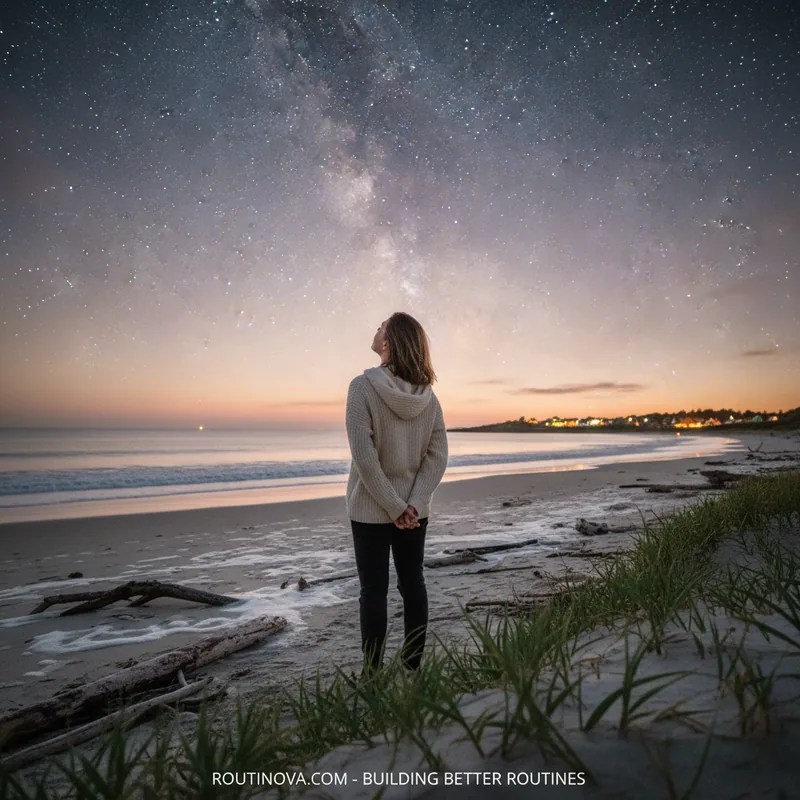
For many, the night sky evokes wonder, a vast canvas of cosmic beauty. Yet, for some, this same expanse triggers a profound, often debilitating fear: astrophobia. This intense, irrational fear of outer space, stars, and extraterrestrial life is a specific phobia that can manifest as severe anxiety and panic attacks at the mere thought of the cosmos. For those grappling with astrophobia, however, the journey to learn how to cope can be transformative, blending professional therapy with personal relaxation techniques to foster a healthier relationship with the vast unknown. Understanding its triggers and symptoms is the first step toward managing this unique fear and reclaiming a sense of peace.
Understanding Astrophobia: Beyond the Cosmos
Astrophobia is defined as a significant and often irrational apprehension of stars and space. As a specific type of phobia, it centers on a defined object or situation, distinguishing it from generalized anxiety. While the universe's mysteries intrigue countless individuals, for those with astrophobia, this intrigue twists into an overwhelming sense of dread.
A common thread in astrophobia is a deep-seated fear of aliens. Popular culture, through films like the Alien series or even news reports on potential exoplanetary life, often plays into the human fear of hostile intelligent life existing beyond Earth. These narratives frequently involve doomsday scenarios, where humanity faces existential threats from extraterrestrial encounters, fueling the phobia.
This fear can extend beyond fictional portrayals. Individuals with astrophobia might find themselves unable to watch documentaries about space exploration, news segments on Mars rover landings, or even scientific programs discussing the Webb Telescope's latest images. The sheer vastness and perceived emptiness of space, coupled with the unknown, can become profound sources of anxiety.
Recognizing the Signs: Symptoms and Triggers
Astrophobia manifests through persistent fear and anxiety that significantly impacts daily life. When confronted with triggers, individuals may experience a range of symptoms similar to other common phobias. These include intense anxiety, feelings of terror, full-blown panic attacks, a rapid heartbeat, shortness of breath, and uncontrollable trembling (Mayo Clinic, 2024).
The specific triggers for astrophobia can vary. Some individuals find themselves unable to engage with any media depicting space or alien life, while others may develop an obsession with locations like Roswell, New Mexico, or Area 51 in Nevada. These obsessions often stem from conspiracy theories surrounding unidentified flying object (UFO) sightings and alleged government cover-ups of alien interactions.
It's natural to maintain a healthy skepticism about such theories, but persistent, debilitating worry about their potential truth can signal a deeper phobia. An astrophobic person might actively avoid stargazing apps, planetariums, or even certain genres of science fiction literature, as these can provoke intense distress. If these symptoms become life-limiting, it's crucial to seek help from a mental health professional.
Identifying the Condition
While an interest in space does not equate to astrophobia, the point at which this interest morphs into a life-altering fear necessitates professional evaluation. Astrophobia is not listed as a distinct condition in the Diagnostic and Statistical Manual of Mental Disorders (DSM-5), but it can be diagnosed as a specific phobia (APA, 2023). For a diagnosis, individuals must experience excessive and unreasonable fear, an immediate anxiety response upon encountering the trigger, and avoidance or extreme distress.
Crucially, these symptoms must significantly impair normal functioning, persist for at least six months, and not be attributable to another underlying condition. A mental health professional will also rule out other potential conditions that might contribute to these symptoms, such as panic disorder, generalized anxiety disorder (GAD), or other specific phobias like claustrophobia.
Unpacking the Roots of Space Fear
Like many specific phobias, astrophobia's development can be influenced by a combination of genetic predispositions, family history, and personal experiences. Traumatic events, whether direct or observed, can play a significant role. For instance, watching frightening films or television shows centered on space or alien invasions can deeply embed a fear of outer space in some individuals.
Research indicates that phobias often have a familial component (Czajkowski et al., 2011). Growing up in an environment where a family member models anxious responses to certain stimuli can increase the likelihood of developing a phobia. This learned behavior, combined with genetic vulnerability, can create fertile ground for astrophobia to take root.
Astrophobia can also be intricately linked to other fears, such as nyctophobia (fear of the dark), monophobia (fear of being alone), or agoraphobia (fear of being away from home). The portrayal of space in media often emphasizes its cold, dark, and empty vastness, which can amplify existing anxieties about isolation or the unknown.
Real-life events can also serve as powerful triggers. Catastrophes in space exploration, such as the explosions of the Space Shuttles Challenger and Columbia, exposed the profound dangers associated with venturing beyond Earth. A child, for example, might develop astrophobia after a particularly vivid nightmare about being abducted by aliens or witnessing a fictional space disaster on screen, cementing a lasting fear of the cosmos.
Effective Strategies to Learn How to Cope
For those living with astrophobia, the good news is that it is highly treatable, much like other specific phobias. The primary goal of therapy is to help individuals learn how to cope with their fear by unlearning negative beliefs about space and cultivating a healthier mindset to prevent panic responses.
Medications
While not a standalone treatment, medications can be prescribed to manage the acute symptoms of anxiety associated with phobias. Antidepressants, particularly selective serotonin reuptake inhibitors (SSRIs), are commonly used to help regulate mood and anxiety. Benzodiazepines may also be prescribed for short-term relief during periods of intense panic, always under strict medical supervision (Harvard Health, 2024).
Psychotherapy
Psychotherapy, especially exposure therapy, is typically the first-line treatment for specific phobias. Several therapeutic approaches can be highly effective:
- Exposure Therapy: This involves gradually and safely exposing individuals to their fear triggers in a controlled environment. By incrementally increasing exposure to stars, space-related images, or even virtual reality simulations of space, while practicing relaxation techniques, individuals can desensitize themselves to the phobia.
- Behavioral Therapy: This approach focuses on reinforcing desirable behaviors and eliminating unwanted ones. It can help individuals replace avoidance behaviors with constructive coping mechanisms, teaching them new ways to respond to their fear.
- Cognitive-Behavioral Therapy (CBT): CBT is a powerful tool for changing thought patterns. It helps individuals identify and challenge automatic negative thoughts that connect stars or space with danger, gradually replacing them with more rational and balanced perspectives.
Self-Help Coping Strategies
Beyond professional treatment, integrating personal coping strategies can empower you to learn how to cope with daily anxieties and manage the stress of living with a phobia. These techniques provide immediate relief and build long-term resilience:
- Meditation: Rooted in deep breathing and mindfulness, meditation encourages focusing on the present moment. Regular practice can significantly calm both the mind and body, reducing overall anxiety levels.
- Relaxation Techniques: A variety of techniques can help reduce anxiety. Deep breathing exercises, progressive muscle relaxation (tensing and releasing different muscle groups), and visualization (imagining a peaceful scene) are excellent tools to regain control during anxious moments.
- Building a Support System: Having loved ones who understand your struggle can provide immense solace and comfort. Sharing your experiences and fears with a supportive network can alleviate feelings of isolation and provide encouragement as you learn how to cope with astrophobia.
Astrophobia, while challenging, is a manageable condition. By understanding its origins and embracing proven therapeutic techniques and personal coping strategies, individuals can effectively learn how to cope with their fear of space, transforming dread into curiosity and reclaiming the wonder of the cosmos.