The very thought of tackling daily tasks can feel like an insurmountable mountain when you're battling crippling anxiety. This isn't just everyday stress; it's a severe, overwhelming state that significantly interferes with your ability to function, making simple activities feel impossible. When you're trying to figure out how to deal crippling anxiety, it's crucial to understand that it often signals a need for professional guidance alongside effective coping strategies to reclaim your sense of normalcy and well-being.
Understanding Crippling Anxiety
While not a clinical diagnosis in itself, 'crippling anxiety' is a widely used term to describe anxiety so intense it becomes debilitating. It extends far beyond typical nervousness, manifesting as persistent, pervasive worry and fear that impedes daily life. This severe form of anxiety can make even routine tasks--like going to work, interacting socially, or managing household chores--feel overwhelming or impossible.
Differentiating crippling anxiety from normal stress is key. Everyday pressures, such as a looming deadline or a challenging presentation, might cause butterflies or temporary unease. Crippling anxiety, however, is characterized by its frequency, intensity, and profound impact on your ability to participate fully in life, often signaling an underlying anxiety disorder (NIMH, 2023). Understanding how to deal crippling anxiety effectively begins with recognizing its profound impact on your overall quality of life.
Recognizing the Signs
Crippling anxiety can manifest through a wide array of symptoms, affecting your emotional, physical, and behavioral well-being. These signs can be highly disruptive, making it difficult to maintain relationships, perform at work, or simply enjoy life.
Emotional and Cognitive Symptoms
- Constant Worry and Racing Thoughts: An incessant stream of anxious thoughts, often about worst-case scenarios, that are difficult to control.
- Intense Irritability and Agitation: Feeling easily annoyed or restless, with an inability to relax or sit still.
- Difficulty Concentrating: Trouble focusing on tasks, making decisions, or remembering information due to an overactive mind.
- Feelings of Uneasiness: A pervasive sense of dread or impending doom that lacks a clear cause.
Physical Manifestations
- Physical Health Concerns: Frequent headaches, persistent muscle aches, or unexplained body pain.
- Digestive Distress: Upset stomach, nausea, or other gastrointestinal problems.
- Cardiovascular and Respiratory Issues: Rapid heart rate, chest tightness, or difficulty breathing, often mimicking symptoms of a heart attack.
- Dizziness or Lightheadedness: A sensation of being off-balance or faint.
- Sleep Disturbances: Trouble falling asleep, frequent waking throughout the night, or recurring nightmares.
Behavioral and Social Impacts
- Social Withdrawal: Isolating oneself from friends, family, and social situations to avoid potential triggers or judgment.
- Inability to Keep Up with Tasks: Struggling to manage daily responsibilities, leading to chronic procrastination or neglect of duties. For instance, a person might consistently avoid applying for a promotion they desire due to an overwhelming fear of failure or increased social scrutiny.
- Substance Abuse: Turning to alcohol or drugs as a coping mechanism to numb anxious feelings.
- Relationship Problems: Increased conflict or strained connections due to heightened irritability, withdrawal, or aggressive behavior.
- Unexpected Weight Changes: Significant weight loss or gain, often linked to changes in eating habits due to anxiety.
Anxiety Disorders and Their Impact
Often, what is described as crippling anxiety is a symptom of a diagnosable anxiety disorder. These conditions can significantly impair one's life, making it essential to understand their specific manifestations.
- Generalized Anxiety Disorder (GAD): Characterized by persistent, excessive worry about everyday things, from work performance to minor social interactions. This constant state of apprehension can be profoundly crippling, making it difficult to find peace or focus.
- Obsessive-Compulsive Disorder (OCD): Involves intrusive, unwanted thoughts (obsessions) and repetitive behaviors (compulsions). The intense need to perform these rituals to alleviate anxiety can be crippling, consuming hours and leading to severe exhaustion or insomnia.
- Panic Disorder: Marked by recurrent, unexpected panic attacks--sudden episodes of intense fear accompanied by physical symptoms like rapid heart rate, sweating, dizziness, and a terrifying sense of impending doom. The fear of having another attack can be crippling, leading to avoidance of certain places or activities.
- Phobias: An irrational and overwhelming fear of a specific object or situation (e.g., heights, spiders, enclosed spaces). This fear can be so crippling that individuals go to extreme lengths to avoid their phobia, significantly limiting their lives.
- Post-Traumatic Stress Disorder (PTSD): Develops after experiencing or witnessing a terrifying event. Symptoms like flashbacks, severe anxiety, and hypervigilance can be crippling, making everyday situations feel dangerous and triggering intense fight-or-flight responses.
- Social Anxiety Disorder (SAD): Characterized by an intense fear of social situations, leading to avoidance of public gatherings, presentations, or even casual conversations. This fear of judgment can be crippling, preventing individuals from forming meaningful connections or advancing in their careers.
These conditions illustrate the deep struggle of how to deal crippling anxiety when it becomes a pervasive part of life, often requiring specialized intervention.
Common Triggers and Causes
Crippling anxiety can be sparked by a variety of internal and external factors. While some individuals with anxiety disorders may experience constant anxiety without a clear trigger, many find their symptoms exacerbated by specific events or situations.
- Major Life Changes: Significant life transitions, such as a death in the family, divorce, job loss, or even positive changes like moving to a new city or starting a new career path, can overwhelm coping mechanisms and trigger severe anxiety (Mayo Clinic, 2024).
- Traumatic Events: Experiencing or witnessing violence, a natural disaster, or an accident can leave lasting psychological imprints that manifest as crippling anxiety or PTSD.
- Health Concerns: The diagnosis of a chronic illness or a sudden health crisis can also lead to sustained, crippling anxiety about the future, one's well-being, and the impact on loved ones.
- Chronic Stress: Prolonged exposure to high-stress environments, whether at work or home, can deplete mental resources and make individuals more susceptible to severe anxiety episodes.
It's also important to note that sometimes, crippling anxiety can arise without any identifiable external trigger, particularly in individuals with underlying anxiety disorders, where the brain's fear response system may be overactive.
Professional Treatment Paths
You are not alone in this struggle; anxiety disorders are among the most common mental illnesses. For many, learning how to deal crippling anxiety effectively means engaging with professional support. A licensed mental health professional, such as a therapist or psychiatrist, is best equipped to provide tailored treatment.
Cognitive-Behavioral Therapy (CBT)
CBT is a highly effective, goal-oriented approach that focuses on the interplay between your thoughts, feelings, and behaviors. It helps individuals identify and challenge negative thought patterns that contribute to anxiety, replacing them with more realistic and positive ones. Key strategies include learning relaxation techniques, developing coping skills for severe symptoms, and identifying triggers.
Eye Movement Desensitization and Reprocessing (EMDR)
Often used alongside traditional therapy, EMDR is an 8-step method that helps individuals process distressing memories and reduce their emotional impact. Through guided eye movements or other bilateral stimulation, it can effectively alleviate the anxiety associated with past traumas or overwhelming situations.
Exposure Therapy
This therapy is particularly useful for phobias and extreme anxiety. It involves gradually and safely exposing individuals to the situations or objects they fear. Through repeated contact, the brain learns that the feared stimulus is not actually dangerous, thereby reducing the anxiety response over time.
Medication
Medication can be a valuable component of treatment, especially for managing severe symptoms. Common options include: benzodiazepines (for short-term, as-needed relief) and antidepressants such as SSRIs (e.g., citalopram) and SNRIs (e.g., duloxetine), which work to regulate mood and reduce anxiety over time.
Empowering Coping Strategies
Beyond professional treatment, integrating effective coping mechanisms into your daily life can significantly empower you to manage crippling anxiety as it arises. These strategies focus on self-care, mindfulness, and healthy habits.
- Mindfulness and Movement: Practice meditation or deep breathing exercises to slow your physiological responses. Engaging in physical activity like walking, yoga, or stretching has been shown to significantly reduce stress and anxiety (Anxiety & Depression Association of America, 2023).
- Prioritize Sleep: Establish a consistent sleep schedule, going to bed and waking up at the same time daily. Adequate, restful sleep is crucial for managing anxiety and improving mental resilience (Harvard Health, 2023).
- Nourish Your Body: Maintain a healthy, balanced diet, drink plenty of water, and consider essential vitamins and minerals like magnesium, which can support nervous system health.
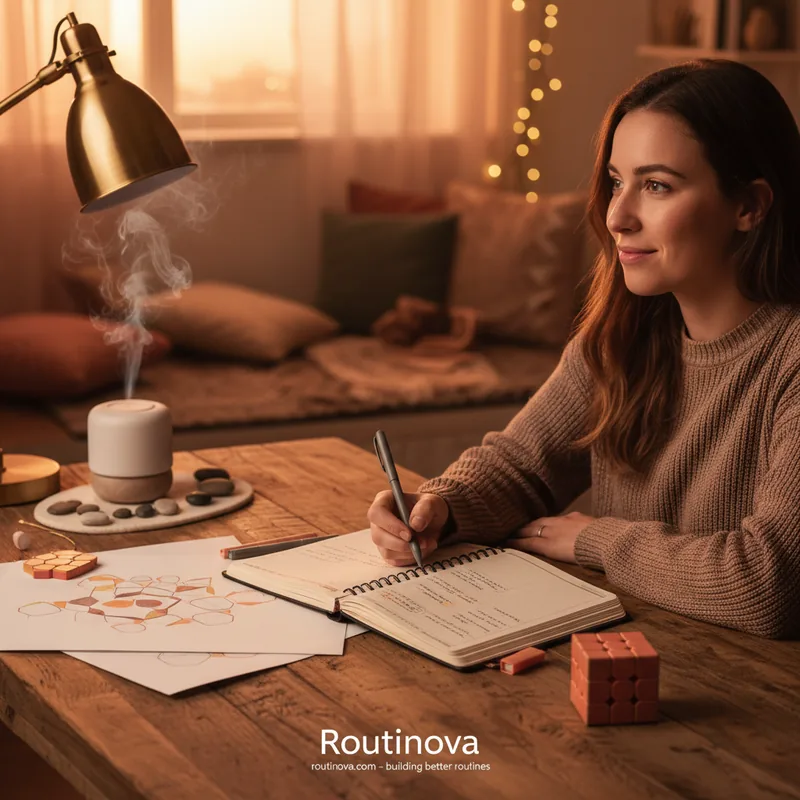
- Creative Expression: Engage in activities that bring joy and focus, such as painting, drawing, crafting, or playing a musical instrument. These provide a mental escape and a sense of accomplishment.
- Journaling: Regularly write about your thoughts and feelings. This can help you identify triggers, process emotions, and gain perspective on what contributes to your anxiety.
- Build Social Connections: Talk openly about your feelings with a trusted friend or family member. Volunteering or joining a community group can also foster a sense of belonging and reduce feelings of isolation.
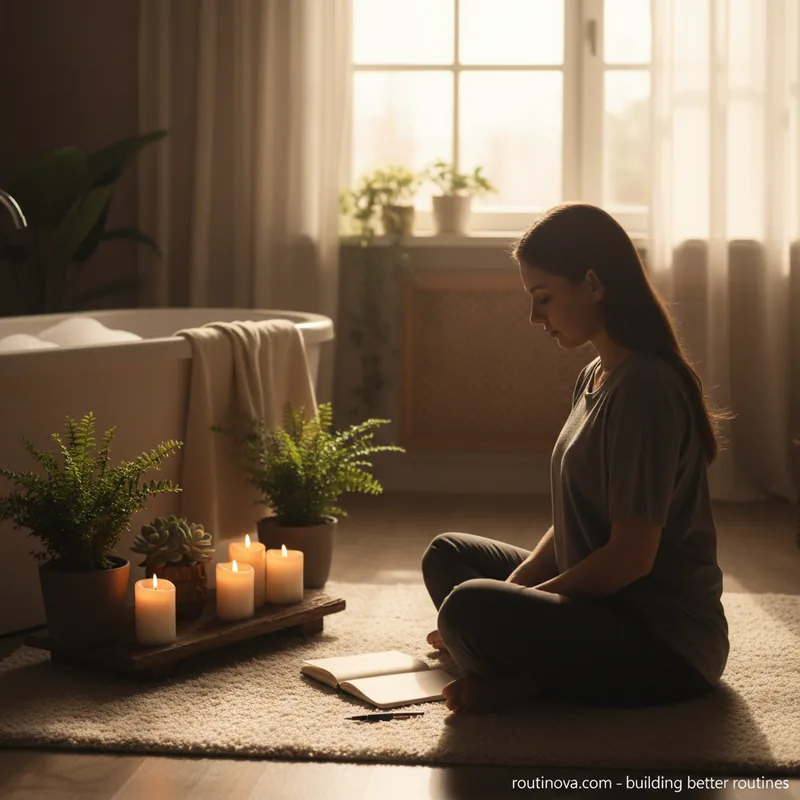
- Create an Anxiety Survival Kit: Assemble a collection of items that bring you comfort and calm, such as a favorite blanket, calming essential oils, a beloved book, or a playlist of soothing music.
- Limit Stimulants: Reduce or avoid caffeine and alcohol, as these substances can exacerbate anxiety symptoms and disrupt sleep patterns.
- Focus on the Present: Practice grounding techniques to bring your mind back to the current moment, rather than dwelling on past mistakes or worrying excessively about the future.
When to Seek Urgent Help
If you or someone you know is struggling with how to deal crippling anxiety and experiencing thoughts of self-harm, it is critical to seek immediate help. These thoughts are serious and require urgent professional intervention.
For support and treatment facility information, please contact the Substance Abuse and Mental Health Services Administration (SAMHSA) National Helpline at 1-800-662-4357. Additional mental health resources can also be found through reputable national helplines and databases.