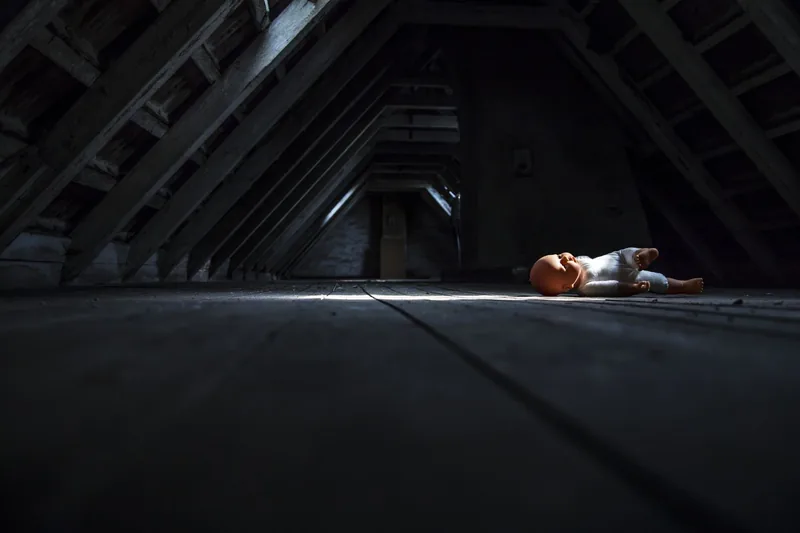
Have you ever felt a shiver crawl up your spine at the sight of a doll, or perhaps a life-sized mannequin? It's more than just a fleeting dislike; for some, it's a profound and overwhelming fear known as pediophobia. This intense anxiety surrounding dolls and similar human-like figures can significantly disrupt daily life, making us wonder: how can fear of dolls be managed? Fortunately, understanding the roots of this phobia is the first step toward effective treatment.
What is Pediophobia?
Pediophobia is a specific phobia characterized by an intense, irrational fear of dolls and other inanimate humanoid figures. This fear isn't limited to traditional toys; it can extend to figurines, action figures, mannequins, and even lifelike statues. The mere thought, sight, or proximity to these objects can trigger significant distress, leading to panic attacks and avoidance behaviors. While it might seem unusual, specific phobias like pediophobia are quite common, affecting a notable portion of the population at some point in their lives. Understanding how can fear of these objects manifest is key to addressing it.
Recognizing the Signs
The symptoms of pediophobia can vary in intensity, but they often mirror those of a general anxiety or panic attack. You might experience a racing heart, shortness of breath, trembling, sweating, or a sense of impending doom. Chest pain and stomach upset are also common, as is feeling lightheaded or dizzy. For many, the fear is so potent that they actively avoid places where dolls might be present, such as toy stores, antique shops, or even certain friends' homes.
These intense reactions are the body's way of signaling extreme danger, even when the actual threat is minimal. The mind becomes hyper-vigilant, perceiving the doll as a genuine hazard. This is why learning how can fear of dolls be effectively managed is crucial for reclaiming your peace of mind.
Unraveling the Causes
The reasons behind pediophobia are often complex and multifaceted. For many, a negative or traumatic experience in childhood involving a doll can be a significant trigger. Imagine being startled by a doll that moved unexpectedly, or perhaps witnessing a frightening portrayal of a doll in media. These early encounters can create a lasting association between dolls and fear.
Cultural influences also play a role. In some cultures, dolls are associated with spiritual entities or even curses, fostering a sense of unease. The concept of the 'uncanny valley' might also contribute. This phenomenon describes the feeling of eeriness or revulsion we experience when encountering figures that are almost, but not quite, human. The slightly off-putting realism of some dolls can tap into this primal discomfort.
Furthermore, genetics can predispose individuals to anxiety disorders. If you have a family history of phobias or anxiety, you may be more susceptible to developing pediophobia. Understanding how can fear of these figures stem from a combination of personal history, cultural context, and biological factors is essential.
Navigating Diagnosis and Treatment
Diagnosing pediophobia, like other specific phobias, is typically done by a mental health professional. They will explore your specific triggers, the onset of your fear, and its impact on your life. It's helpful to prepare by noting which types of dolls or figures cause distress and when you first noticed the fear. This information assists the professional in determining if your symptoms meet the criteria for a specific phobia, which generally involves excessive fear, an immediate anxiety response, and significant avoidance or distress that has persisted for at least six months.
The good news is that pediophobia is highly treatable. Cognitive Behavioral Therapy (CBT) is a cornerstone of treatment. It helps you identify and challenge the negative thought patterns associated with dolls, replacing them with more rational and balanced perspectives. CBT is effective because it addresses the underlying beliefs that fuel the phobia.
Exposure therapy is another powerful tool. Under the guidance of a therapist, you'll gradually and safely be exposed to dolls. This might start with looking at pictures, then progressing to holding a doll, or visiting a place where dolls are present. This controlled exposure helps desensitize you to the fear, teaching your brain that dolls are not inherently dangerous. Exposure therapy directly tackles the avoidance that perpetens the phobia.
In some cases, medication may be prescribed to manage severe anxiety symptoms. Antidepressants or anti-anxiety medications can help stabilize your mood and reduce the intensity of panic responses, making therapy more accessible. However, medication is typically most effective when used in conjunction with psychotherapy.
Coping Strategies for Daily Life
Beyond formal therapy, several self-help techniques can empower you to manage pediophobia in your day-to-day life. Practicing mindfulness and meditation can help you stay grounded when you feel anxiety rising. Deep breathing exercises are incredibly effective for calming the nervous system during moments of stress.
Visualization and guided imagery can help you mentally rehearse encountering dolls in a calm and controlled manner. Progressive muscle relaxation can release physical tension associated with fear. Engaging in regular physical activity, like yoga, also contributes to overall emotional well-being and resilience.
While limiting exposure to triggers might offer short-term relief, it's important to remember that complete avoidance can reinforce the phobia. The goal is to build coping mechanisms that allow you to function normally, even when confronted with your fear. Learning how can fear of dolls be managed effectively involves a combination of professional help and personal practice.
Living Beyond the Fear
Pediophobia, like any specific phobia, can feel isolating and overwhelming. However, it is a treatable condition. By understanding its potential causes--whether traumatic experiences, cultural conditioning, or genetic predisposition--you take the first significant step toward recovery. Therapies like CBT and exposure therapy offer proven pathways to reduce anxiety and overcome avoidance behaviors. With the right support and coping strategies, it is entirely possible to move beyond the fear of dolls and lead a more fulfilling, less anxious life.