The alarm blared, but Maya was already awake, her heart thrumming a frantic rhythm. Another night spent wrestling with a mind that wouldn't quiet, replaying work emails and imagining worst-case scenarios. Her shoulders were perpetually hunched, her jaw a tight knot. She knew this wasn't sustainable, but every attempt at "relaxation" felt like another task on an endless to-do list. Sound familiar? What if there was a way to tap into your body's own calming mechanisms, a self-generated antidote to the daily grind? This is where autogenic training comes in, offering a powerful technique to reduce anxiety and cultivate deep relaxation from within. It's a method where you learn how to practice autogenic phrases to calm your nervous system.
Discover Autogenic Training: Your Inner Calm Switch
Autogenic training, a term meaning "self-generated," is a unique relaxation technique designed to help you reduce anxiety and stress by harnessing the power of your own mind. Think of it as an internal switch that, with practice, you learn to flip, guiding your body into a state of profound calm. It involves repeating specific phrases that evoke sensations like heaviness and warmth in different parts of your body, along with a focus on a calm heartbeat and relaxed breathing. This isn't just wishful thinking; it's a structured approach developed over decades.
German psychiatrist Johannes Heinrich Schultz developed autogenic training in 1932. He noticed that individuals in a hypnotic state often reported feelings of warmth and heaviness. Schultz then set out to create a method that could replicate these calming sensations consciously, allowing people to induce relaxation on their own (Brunner & Steger, 2008). It's a self-help strategy you can learn and practice independently, though it's also sometimes integrated into broader therapeutic approaches like cognitive-behavioral therapy (CBT).
The Science of Self-Regulation: How Autogenic Training Works
So, what actually happens when you engage in autogenic training? The magic lies in its ability to positively influence your autonomic nervous system. This is the part of your nervous system responsible for involuntary functions like heart rate, digestion, and breathing - essentially, your body's automatic pilot. By systematically focusing on sensations of heaviness and warmth, you send signals to your brain that tell your body it's safe to relax, shifting it from a stressed "fight or flight" response to a tranquil "rest and digest" state.
While perhaps less widely known than techniques like progressive muscle relaxation or guided imagery, research supports its efficacy. A meta-analytic study in 2008, for instance, found autogenic training to be effective in the treatment of anxiety (Studies, 2008). More recent studies continue to explore its benefits, suggesting it can be a valuable tool for managing various mental health symptoms and improving overall well-being (Research, 2021).
Beyond Anxiety: Who Benefits from Autogenic Training?
While a powerful tool for anxiety and stress reduction, the benefits of autogenic training extend far beyond. Imagine a student, Sarah, feeling overwhelmed by exam pressure, her mind a blur of facts and figures. Or Mark, a busy parent constantly juggling work and family, struggling to find a moment of peace. Then there's Emily, preparing for a major presentation, her heart pounding with stage fright. For all of them, learning how to practice autogenic training can offer a tangible way to regain control and find calm.
Research suggests autogenic training may also offer relief for a range of other conditions, including:
- Tension headaches
- High blood pressure
- Sleep difficulties and insomnia
- Irritable bowel syndrome (IBS)
- Asthma
- Unexplained chronic pain
- Depressive symptoms
- Improved emotional management and attention
One review even highlighted its promise in enhancing the well-being of individuals grappling with chronic health problems (Research, 2020). The consistent practice of autogenic training can lead to reduced stress sensitivity, fewer negative feelings, and an overall better mood. Eventually, the simple phrase "I am completely calm" might be all it takes to induce a state of deep relaxation.
Is Autogenic Training Safe for You? Considerations & Cautions
Generally, autogenic training is considered a safe and beneficial method for managing stress and anxiety. However, it's not a one-size-fits-all solution, and certain considerations are important. If you have significant medical conditions or severe psychiatric conditions, it's always wise to consult with your doctor before starting any new relaxation technique.
For individuals with severe mental illnesses, such as schizophrenia, or certain dissociative disorders, the U.S. Veterans Association advises against practicing autogenic training (VA, 2023). While you can certainly learn how to practice autogenic techniques on your own, starting with guidance from a trained therapist can provide valuable support and ensure you're using the method effectively and safely.
It's crucial to remember that autogenic training is a relaxation technique, not a replacement for professional medical or mental health treatment. It works best as a complementary tool alongside therapy or medication for mental health conditions. If you experience extreme anxiety, restlessness, or any other adverse effects during or after practice, stop immediately and consult your doctor.
Mastering the Technique: How to Practice Autogenic Training
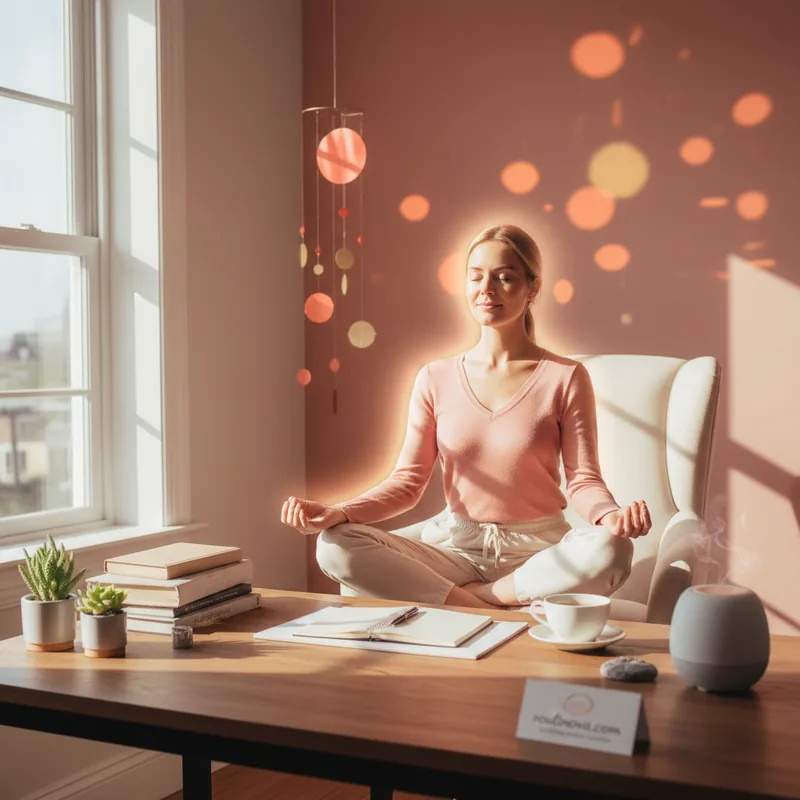
Ready to try it yourself? Autogenic training can be learned in individual or group therapy sessions, typically lasting 15 to 20 minutes. But you can also begin to learn how to practice autogenic training effectively on your own. Consistency is key, so aim for daily practice. Here's a step-by-step guide:
Prep for Relaxation
Before you begin, create an environment conducive to calm:
- Find your quiet zone: Choose a place free from distractions. Silence is your friend here.
- Get comfortable: Lie down on the floor or recline comfortably in a chair.
- Loosen up: Undo any tight clothing, remove glasses or contacts, and ensure nothing is restricting your body.
- Position your hands: Rest your hands gently in your lap or on the arms of your chair, palms down.
Breathe Deeply and Center
Start by bringing your awareness to your breath. Take a few slow, even breaths, focusing on the rise and fall of your abdomen. If you're new to this, spend a few minutes practicing diaphragmatic breathing. As you settle in, quietly say to yourself, "I am completely calm." This simple affirmation helps set the tone for your session.
Focus on Your Arms
Now, direct your attention to your arms. Quietly and slowly, repeat the following phrase to yourself six times:
"My arms are very heavy."
Feel the sensation of weight settling into your arms. After repeating, quietly say to yourself, "I am completely calm." Then, refocus on your arms and repeat six times:
"My arms are very warm."
Allow yourself to truly feel a gentle warmth spreading through your arms. Conclude with, "I am completely calm."
Shift Focus to Your Legs
Next, move your attention to your legs. Follow the same pattern:
- Repeat six times: "My legs are very heavy." Then, "I am completely calm."
- Repeat six times: "My legs are very warm." Then, "I am completely calm."
Allow the sensations of heaviness and warmth to deepen throughout your lower body.
Repeat Calming Mantras for Core Functions
Now, expand your focus to your body's vital functions, repeating each phrase six times, followed by "I am completely calm":
- "My heartbeat is calm and regular."
- "My breathing is calm and regular."
- "My abdomen is warm."
- "My forehead is pleasantly cool."
These phrases help regulate your internal state, bringing a sense of peace to your core.
End Your Session
Savor the profound feelings of relaxation, warmth, and heaviness you've cultivated. When you're ready to gently return to your day, quietly say to yourself:
"Arms firm, breathe deeply, eyes open."
This helps you transition smoothly back to an alert state. Many find that using an audio recording, such as the free MP3 files offered by institutions like McMaster University, can be incredibly helpful when learning how to practice autogenic training, allowing you to fully immerse yourself without having to remember the sequence (McMaster University, 2023).
When to Seek Professional Support for Anxiety
While autogenic training is a powerful self-help tool, it's essential to recognize its limits. If your anxiety feels overwhelming, persistent, or significantly interferes with your daily life, self-help exercises alone may not be enough. Severe anxiety is not something you have to endure alone, and effective treatments are available.
If you find that relaxation techniques aren't making a substantial difference, or if your symptoms are worsening, please reach out to your doctor. They can provide a referral to a mental health professional who can offer tailored support, whether through therapy, medication, or a combination of approaches. Don't hesitate to confide in a trusted family member, friend, teacher, or counselor if approaching your doctor feels daunting. The sooner you seek help, the sooner you can begin to feel better and reclaim your peace of mind.