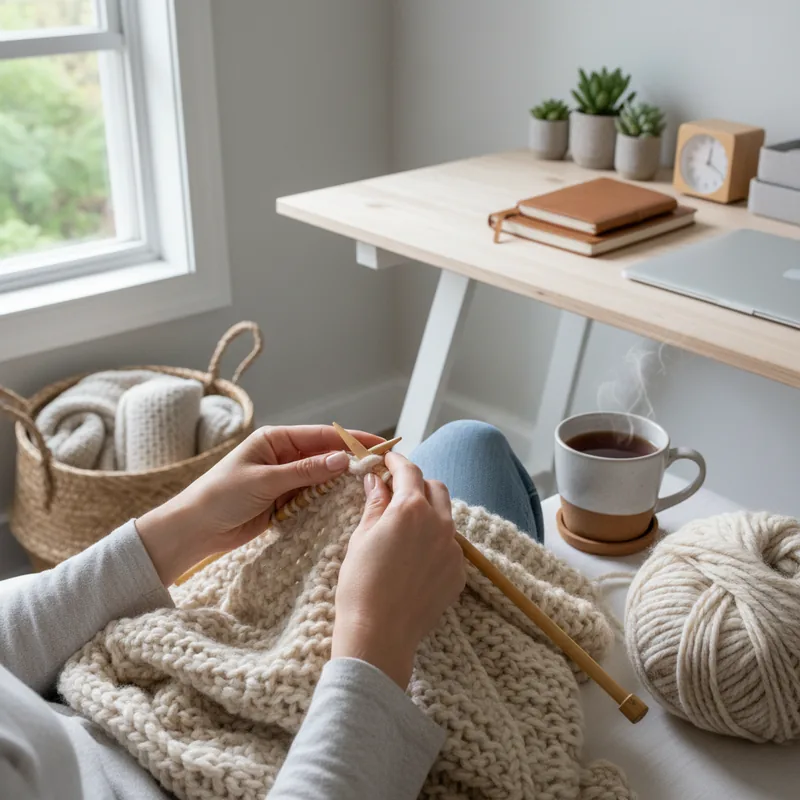
It's 3 PM. Your phone has buzzed with notifications, your email tab is a blinking reminder of unanswered messages, and the endless scroll of headlines feels like a low-grade hum of anxiety. You close your eyes, take a deep breath, and reach for something different: a skein of yarn and two simple wooden needles. With each deliberate stitch, the digital noise fades, replaced by the tactile rhythm of creation. This is the quiet revolution of the analog life.
In a world saturated with AI assistants and smart devices, a growing number of people are seeking refuge in the slow, tangible, and human-powered. This isn't just a nostalgia trip; it's a strategic retreat. The trend of analog hobbies: new self-care is emerging as a powerful response to digital fatigue, offering a tangible way to reclaim our attention and calm our nervous systems.
The Digital Detox Solution
Recent data reveals a significant cultural pivot. Searches for yarn kits at major craft stores have skyrocketed by over 1,200% in the past year, signaling a massive return to "grandma hobbies" (CNN, 2026). This trend likely accelerated post-pandemic, as people sought concrete ways to cope with isolation and uncertainty. An analog lifestyle goes beyond a short digital detox; it's a sustained commitment to slower, more tangible ways of living and creating.
Think of the difference between a digital clock and an analog one. The digital version simply spits out numbers, demanding nothing from you. The analog clock, with its sweeping hands, requires you to look, to observe the passage of time in a more organic way. This is the essence of the shift. It's not about rejecting technology entirely, but about choosing activities that engage our hands and minds in a way that screens cannot. Analog hobbies: new self-care is about being present, not just connected.
The Science Behind the Slowdown
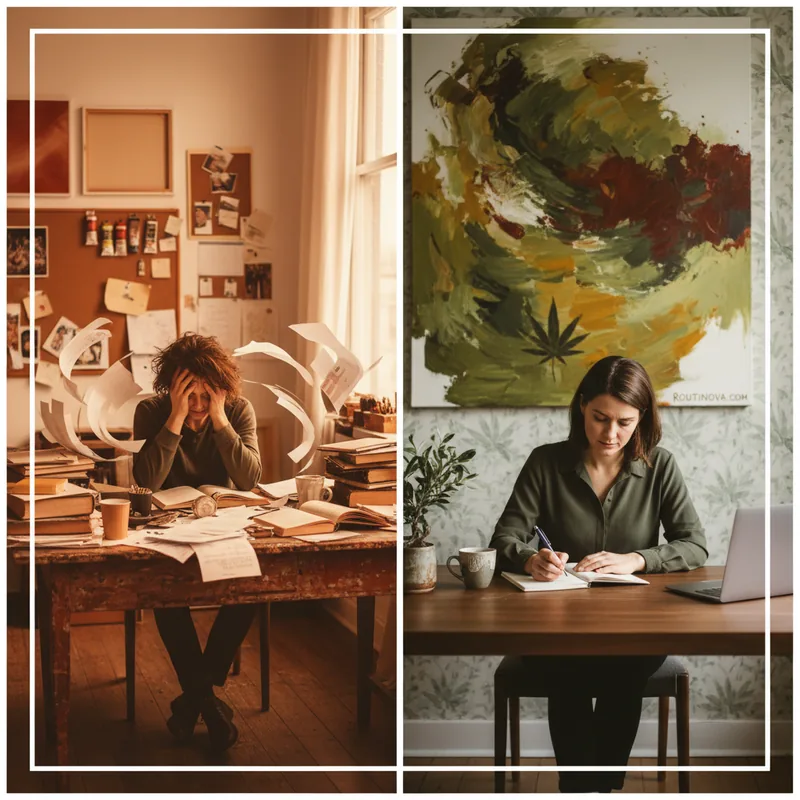
Why does knitting a scarf or kneading dough feel so profoundly calming? The answer lies in our biology. Constant exposure to the alerts and alarms of our devices keeps our nervous systems in a state of high alert, flooding our bodies with cortisol, the primary stress hormone (Mayo Clinic, 2023). This chronic stress can lead to feelings of anxiety, burnout, and physical discomfort.
Analog activities act as a natural antidote. When you are focused on a repetitive, tactile task--like the precise movements of crochet or the careful sanding of a wooden bowl--your brain is forced into a state of present-moment awareness. This is a form of moving meditation. Unlike the passive consumption of digital content, these hobbies demand active engagement, pulling your focus away from internal chatter and external chaos, and allowing your nervous system to downshift into a calmer, more balanced state.
A Psychological Escape
This movement isn't just a modern fad; it echoes deep psychological principles. In the mid-20th century, psychologist Ernst Kris explored the concept of "adaptive regression in service of the ego." He argued that regressing to a state of playful, childlike creativity could be a healthy and positive way to cope with adult realities (Kris, 1952). Analog hobbies offer a perfect, socially acceptable outlet for this. They provide a structured, productive way to tap into that simpler, more focused state of mind without shirking adult responsibilities.
Consider the experience of learning pottery. The focus required to center the clay on the wheel, the tactile feedback, the anticipation of the final fired piece--it all creates a bubble of concentration. As one participant in a community pottery class noted, "With clay in your hands, you can't be scrolling through your phone. It pulls you completely into the moment." This is the core benefit: analog hobbies: new self-care creates a necessary boundary from the relentless demands of the digital world.
Reclaiming Your Attention
Adopting an analog practice doesn't require a complete lifestyle overhaul. It can start small, with activities that fit into the margins of your day. The goal is to choose something that engages your senses and slows your pace.
Three Analog Hobbies to Start With:
- Embroidery or Cross-Stitch: Like knitting, these crafts require focus and precision, but with the added benefit of creating detailed, visual art. The repetitive motion is incredibly meditative.
- Handwritten Journaling: Moving a pen across paper is a physical act that slows thought. It creates a tangible record of your inner world, separate from the cloud.
- Hand-Lettering or Calligraphy: This practice demands patience and control, turning writing into an art form. It's a beautiful way to disconnect and create something unique.
These activities are more than just hobbies; they are acts of self-preservation. They are a declaration that our attention is a finite, precious resource. By choosing to spend it on tangible, creative pursuits, we are not turning backward, but rather moving forward with intention, seeking a healthier equilibrium in an increasingly digital age. The rise of analog hobbies: new self-care is a reminder that sometimes, the most profound way to move forward is to slow down.