Did you know that children who are read to regularly from birth have significantly larger vocabularies and stronger literacy skills by the time they start school? This early exposure isn't just about words; it's about building brains. Books are a simple, real gift: how they ignite cognitive development, foster emotional intelligence, and forge deep connections makes them an unparalleled tool for a child's foundational growth.
While the holiday season often tempts us with elaborate gadgets and flashy toys, the most transformative presents for young children often require no batteries, assembly, or instruction manuals. These unassuming treasures weigh mere ounces, yet they carry within them a power far greater than any blinking light: the promise of connection, imagination, and lifelong learning. We're talking about books.
The Neuroscientific Advantage: How Books Build Young Brains
For children, especially those under five, a book is much more than a future reading tool. It's a dynamic instrument for brain-building, a catalyst for connection, and an invitation to slow down together in a world that often encourages constant haste. Gifting books during the holidays provides something that endures long after the novelty of new toys has faded.
The profound impact of books lies in their ability to stimulate rapid brain development. In the first five years of life, a child's brain forms millions of neural connections every second. This explosive growth lays crucial groundwork for language acquisition, attention regulation, and emotional processing, all of which shared reading can remarkably strengthen (American Academy of Pediatrics, 2023).
When a caregiver points to a picture and names an object, or describes the unfolding story on a page, a child isn't merely listening; they are actively wiring language pathways. Even infants who don't yet grasp the narrative benefit immensely from the rhythm of speech, the comfort of a familiar voice, and the interactive exchange with their caregiver (Child Mind Institute, 2024).
Consider a baby staring at a picture of another baby, beginning to comprehend the world around them. Or a toddler laughing at a silly character, learning cause and effect through playful engagement. A preschooler predicting what happens next isn't just having fun; they're building memory and problem-solving skills. Each interaction with a book offers boundless opportunities for cognitive growth, proving that a book is a simple, real gift: how it stimulates these areas is truly remarkable.
For instance, a child who regularly hears animal sounds from a picture book may start mimicking them, developing early phonetic awareness. Or a parent might point to a red ball in a storybook and then to a red ball in the room, helping the child connect abstract representations with concrete objects. These seemingly small moments are powerful learning experiences.
Nurturing Connection and Emotional Well-being
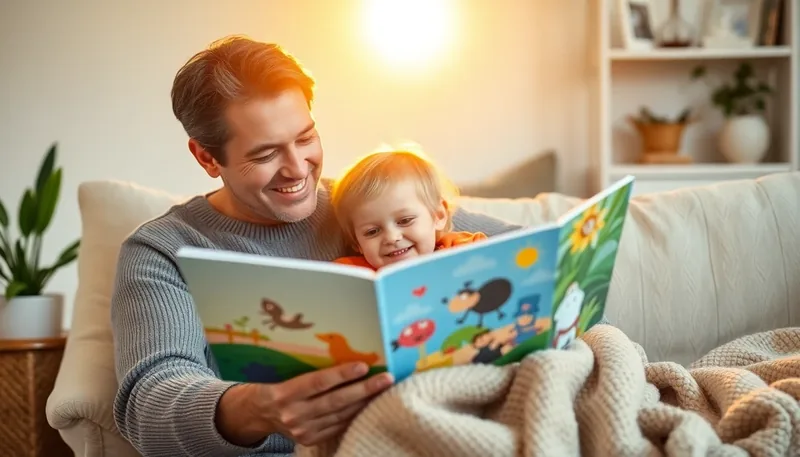
Cognitive growth rarely happens in isolation; it thrives in an environment of secure attachment. One of the greatest benefits a book provides is the unparalleled opportunity for closeness. The holiday season can be chaotic for families, but reading with a young child creates a natural pause, a moment to sit close, and share a unique experience.
The warmth of a caregiver's voice and the comfort of a familiar story help children feel safe, seen, and loved. These simple routines build emotional security and resilience, offering gentle avenues for children to explore feelings, daily routines, and new experiences. It's also a wonderful way for visiting grandparents or other relatives to create special memories with little ones who may not live nearby.
A book provides a unique space for emotional processing. For example, a child experiencing the arrival of a new sibling might find solace and understanding in a story about big brothers or sisters. Similarly, a shy child might use a book as a 'safe' way to interact with a new relative, slowly opening up as they share the pictures and story.
This shared experience reinforces that a book is a simple, real gift: how it fosters emotional bonds and a sense of belonging is as vital as its educational benefits. It's a quiet moment that speaks volumes, building a foundation of trust and affection.
Beyond the Pages: Practical Tips for Gifting & Engagement
Choosing the right book is part of the joy. Parents and caregivers often wonder which books are best, and the answer is simpler than many expect: choose books that invite interaction or genuinely delight your child. Youngest babies benefit from high-contrast black-and-white books, while older infants enjoy sturdy board books with bold, simple images, especially those featuring other babies (Harvard Graduate School of Education, 2023).
Toddlers often gravitate towards repetition and rhymes, while preschoolers appreciate richer storytelling, humor, and books that mirror their everyday lives or introduce new concepts. When books celebrate family traditions, be it Hanukkah, Christmas, Kwanzaa, or Diwali, families have a unique opportunity to share their special customs and values with young readers, nurturing cultural identity.
A large collection isn't necessary for a literacy-rich home. A handful of well-loved favorites and regular trips to the library can make a significant difference. There's also a special joy that comes from unpacking cherished holiday books each season, turning them into family traditions.
Even during a busy holiday period, weaving books into daily life doesn't require perfection. Shared reading doesn't demand long stretches of quiet; the interaction itself matters more than the setting. A page or two before bed, talking about pictures while waiting in line, or letting a child 'read' by babbling all support development. The goal is connection, not choreography, illustrating that a book is a simple, real gift: how it fits into everyday life without pressure is key.
Clinicians and community organizations frequently highlight books during this time of year, reinforcing that reading is not just entertainment but an integral part of a child's developmental health. When doctors discuss books during well-child visits or communities organize holiday book drives, they emphasize that stories support both learning and emotional well-being. And crucially, while reading helps develop young brains, it should always be a joyous time for children and their special parents and caregivers alike.
A Legacy of Imagination and Love
Ultimately, this is what makes books such memorable gifts. While toys and technology may offer momentary dazzle, books provide something quieter and profoundly deeper: the chance to build a child's mind, nurture their emotional world, and strengthen family relationships. Holiday books often become cherished family traditions, passed down through generations.
Children rarely forget the person who curled up beside them and read aloud, sharing stories and laughter. This shared experience, this investment in their growth and well-being, is a simple, real gift: how it shapes who a child becomes is the greatest present of all.