Did you know that research suggests up to 70% of individuals in long-term relationships report experiencing significant challenges at some point (Harvard, 2023)? If that number feels familiar--the quiet doubts, the unspoken frustrations, the lingering question of 'are we truly okay?'--you're far from alone. Navigating the complexities of love isn't always easy, and it's natural to wonder about the fundamental health of your partnership. So, for this couples quiz: are you truly connected and thriving? A healthy relationship isn't just about grand gestures; it's built on consistent effort, mutual respect, and a shared commitment to growth. This article isn't just a scorecard; it's a guide to understanding the real dynamics at play and empowering you to cultivate a more fulfilling bond.
Beyond the Score: Understanding Relationship Health
It can be incredibly challenging to assess your relationship objectively when you're deeply immersed in it. We often see what we want to see, or conversely, magnify every flaw. This is why a simple self-assessment, like a couples quiz: are you compatible, understanding, and respectful, can be such a powerful starting point. It's designed for anyone questioning their current dynamic, offering a structured way to reflect on feelings and behaviors associated with romantic partnerships.
Now, you might be thinking, "What exactly constitutes a 'healthy' relationship?" Here's the thing: no relationship is perfect. Every partnership will inevitably have its mix of healthy and less-than-ideal moments. What truly sets a healthy relationship apart isn't the absence of conflict, but the effort each partner invests in resolving disagreements, communicating openly, and actively maintaining their connection (Umberson & Montez, 2010). It's about showing up for each other, even when it's hard.
Conversely, unhealthy dynamics often breed more stress and conflict. These can range from subtle, insidious patterns to overt toxic or abusive behaviors. But here's what's interesting: an unhealthy dynamic doesn't automatically mean the relationship is doomed. Sometimes, with intention and the right support--perhaps from a couples therapist--these patterns can be addressed and transformed. Ultimately, this isn't just about a score; it's about asking, "For this couples quiz: are you seeing the full picture?"
The Pillars of a Thriving Partnership
Imagine a sturdy bridge, built to withstand storms. A healthy relationship is much the same, resting on several foundational pillars that provide strength and resilience. These aren't just abstract concepts; they're daily practices that nurture connection.
Unwavering Trust
At its core, trust is the bedrock of any secure relationship. It's the quiet confidence that your partner has your back, even when you're not looking. This ability to trust often stems from our earliest experiences, influencing our attachment styles (Campbell & Stanton, 2019). When both partners feel safe enough to be vulnerable, a powerful dynamic emerges, fostering deep emotional security. Think about it: when you know you can rely on someone, the world feels a little less daunting.
Mutual Respect and Empathy
Respect isn't just about politeness; it's about valuing your partner's unique identity, needs, and boundaries as much as your own. It manifests in simple, yet profound ways: truly listening when they speak, honoring their personal space, and treating them with consistent kindness. For instance, if one partner needs quiet time after a long day, the other respects that need by giving them space instead of demanding immediate attention. This isn't weakness; it's profound strength.
Radical Honesty
Being able to share your authentic thoughts, feelings, and beliefs--even the uncomfortable ones--is crucial. Honest discussions build intimacy and resilience. This doesn't mean bluntness; it means communicating your truth with care. For example, instead of silently resenting a partner's habit, an honest conversation might start with, "I've been feeling a bit overwhelmed by X, and I wanted to talk about it."
Effective Conflict Resolution
No couple glides through life without disagreements. The real test of a healthy relationship isn't the absence of arguments, but how you navigate them. In thriving partnerships, couples work through issues without resorting to insults or cruelty. They focus on the specific situation or behavior, rather than attacking each other's character. Imagine a couple disagreeing about finances: instead of yelling, they agree to take a 30-minute break to cool down, then return to calmly discuss solutions (Mayo Clinic, 2024).
Open Communication
This brings us to something unexpected: communication style is a stronger predictor of divorce than stress or personality differences (Lavner & Bradbury, 2012). When partners can express themselves clearly, listen actively, and talk through issues respectfully, their bond deepens and lasts. Think about it this way: one partner might rephrase what the other said to confirm understanding, like, "So, if I'm hearing you correctly, you're feeling frustrated because..." This simple act validates feelings and prevents misunderstandings.
Nurturing Individuality
A truly healthy relationship celebrates both togetherness and individual autonomy. Each partner should feel loved and appreciated for who they are, without having to sacrifice their core self, friendships, or personal passions. For example, if one partner decides to take a pottery class, the other supports this pursuit, perhaps by managing dinner or childcare, recognizing that personal growth enriches the entire relationship. Take a moment to consider: for this couples quiz: are you both growing, or are you stuck?
A Connected Sexual Bond
Sexual compatibility and ongoing consent are vital. Partners who openly discuss their desires, preferences, and boundaries tend to have a more fulfilling and enjoyable intimate life. This isn't just about frequency; it's about mutual pleasure, understanding, and respect for each other's needs.
Recognizing Red Flags: When Relationships Falter
Just as there are signs of a flourishing relationship, there are also indicators that a partnership might be struggling. Sometimes these "red flags" are subtle, especially when you're deeply in love, making them harder to acknowledge.
Controlling Behaviors
If one partner consistently attempts to exert control over the other--whether through manipulation, intimidation, or isolating them from friends and family--this is a significant red flag. A healthy partnership thrives on autonomy and mutual respect, not dominance. This can look like one partner constantly checking the other's phone or dictating who they can spend time with.
Breakdowns in Communication
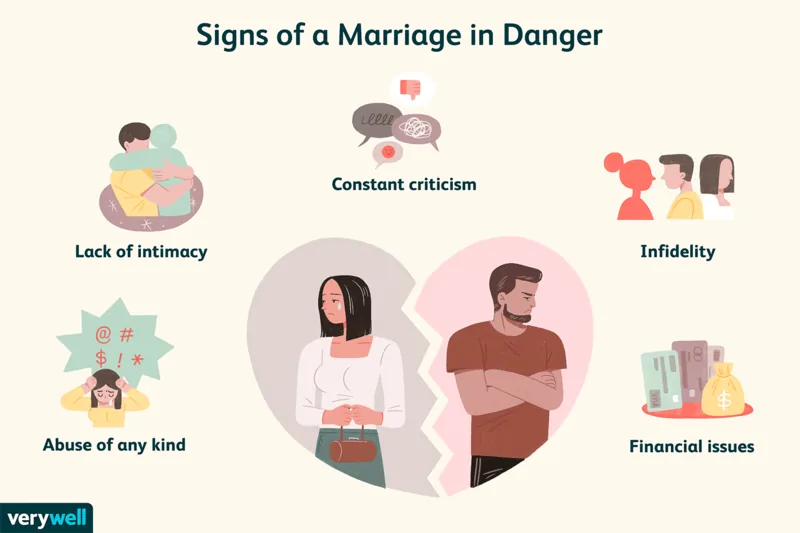
When communication becomes consistently disrespectful, dishonest, or unclear, resolving issues becomes nearly impossible. This can manifest as constant criticism, stonewalling (refusing to engage), or gaslighting (making you doubt your own perceptions). Without the ability to talk through problems, resentment builds, and the relationship erodes.
Erosion of Trust
A persistent lack of trust, where one or both partners feel they cannot rely on the other, signals deep trouble. This might involve hiding things, frequent accusations, or a pattern of dishonesty. Once trust is broken, rebuilding it requires immense effort and consistent, transparent behavior from both sides.
Violence and Abuse
Any form of physical, emotional, or sexual violence is unequivocally unhealthy and abusive. This includes hitting, shoving, unwanted sexual acts, constant degradation, or severe emotional manipulation. It's crucial to remember: not all unhealthy relationships are abusive, but all abusive relationships are unhealthy and demand immediate attention and intervention.
Ultimately, the goal of any couples quiz: are you taking is to foster deeper understanding and encourage positive change. If these red flags resonate with your experience, it might be beneficial to seek guidance from a mental health professional, such as a couples therapist, to discuss your concerns and explore paths forward (Youth.gov, n.d.). Your well-being, and the health of your relationship, are worth the effort.