Imagine a world where every mirror reflects not just your physical form, but a deep sense of acceptance and appreciation for the unique person you are. That's the heart of body positivity. It's more than just a trend; it's a fundamental shift in how we view ourselves and others, challenging the relentless pressure to conform to often unattainable beauty standards. Understanding why body positivity is important means recognizing its profound impact on our mental health, self-esteem, and overall well-being.
In essence, body positivity is the radical act of embracing and accepting all body types, promoting self-love, and actively dismantling the societal ideals of beauty that have long dictated our worth. It encourages us to celebrate our bodies, flaws and all, and to reject the notion that there's only one way to be beautiful. This movement aims to cultivate confidence and acceptance by fundamentally changing how we perceive bodies of every shape, size, and form.
What Body Positivity Truly Means
The term 'body positivity' has exploded in popularity, but its meaning can sometimes feel a bit fuzzy. This confusion often stems from the concept having multiple, overlapping definitions. At its core, it's about cultivating a positive relationship with your body, regardless of its appearance.
For many, body positivity means:
- Appreciating your body, even with perceived imperfections.
- Feeling genuinely confident in your own skin.
- Cultivating a deep sense of self-love for your physical self.
- Accepting your body's natural shape and size without judgment.
It also encompasses enjoying the body you have right now, letting go of the guilt or shame associated with natural changes brought on by aging, pregnancy, or lifestyle shifts. It's about honoring your body for what it does, not just how it looks.
The Goals of the Body Positivity Movement
The body positivity movement is driven by a powerful set of goals, aiming to reshape both individual perceptions and societal norms. It seeks to challenge the narrow, often damaging, ways society views the human body, promoting a more inclusive and compassionate outlook.
Key objectives include:
- Challenging Societal Norms: Actively questioning and dismantling the often-unrealistic beauty standards perpetuated by media and culture.
- Promoting Universal Acceptance: Fostering a message that all bodies are beautiful and worthy of respect, irrespective of size, shape, color, or ability.
- Building Self-Esteem: Helping individuals develop a strong sense of confidence and acceptance in their own bodies, reducing the impact of negative self-talk.
- Addressing Media Influence: Raising awareness about how media portrayals affect our relationship with food, exercise, health, and self-care, encouraging a more critical consumption of these messages.
Crucially, body positivity extends beyond just body weight. It recognizes that judgments are often intersectional, impacting individuals based on their race, gender, sexuality, and disability status. The movement strives to create a space where everyone feels seen and valued.
A Brief History of Body Acceptance
The roots of body positivity stretch back to the fat acceptance movement of the late 1960s. This foundational movement bravely confronted the pervasive culture of fat-shaming and discrimination, advocating for the dignity and rights of people of all sizes. Organizations like the National Association to Advance Fat Acceptance, founded in 1969, continue this vital work.
The term 'body positive' gained traction in the mid-1990s with the launch of the website thebodypositive.org. Founded by a psychotherapist and an individual with a history of eating disorders, it offered resources to help people cultivate positive body image, shifting focus away from restrictive dieting.
The movement evolved into its current form around 2012, initially challenging rigid feminine beauty standards. Social media platforms, particularly Instagram, became instrumental in amplifying the message that all bodies are beautiful. This shift is visible in the media, with some publications reducing airbrushing and brands like Dove and Aerie launching campaigns that celebrate diverse body types.
The Profound Benefits of Embracing Your Body
Cultivating a positive body image isn't just about feeling good; it's intrinsically linked to our overall mental and emotional health. A positive body image acts as a buffer against common mental health challenges, fostering resilience and self-worth.
Research consistently shows that a healthy body image is associated with:
- Reduced risk of depression: When you accept your body, you're less likely to internalize societal pressures that can lead to depressive symptoms.
- Higher self-esteem: Feeling good about your body naturally boosts your overall sense of self-worth.
- Fewer dieting behaviors: Body positivity encourages health-focused choices rather than restrictive diets aimed at changing your body shape.
Conversely, poor body image can be a significant detriment. It's a known contributor to feelings of inadequacy, anxiety, and can even be a precursor to disordered eating patterns, particularly among adolescents. The constant barrage of 'ideal' body types in the media can warp perceptions, leading individuals to believe that thinness equals happiness or success.
This is precisely why body positivity is so crucial. It empowers individuals to recognize and counteract these harmful influences, fostering a more realistic and accepting relationship with their bodies. This internal shift can profoundly combat the negative toll that body dissatisfaction takes on one's health.
Navigating the Criticisms and Complexities
While the intentions behind body positivity are admirable, the movement isn't without its critics and complexities. One common concern is that the message can sometimes be misinterpreted, leading individuals to engage in unhealthy behaviors under the guise of self-acceptance.
For instance, the popular narrative that thinner, fitter individuals are inherently happier or more beautiful can paradoxically encourage extreme dieting or excessive exercise. This misinterpretation misses the core message of acceptance and well-being.
Another significant criticism is the historical lack of inclusivity. Early iterations of the movement often centered on a specific type of body, inadvertently excluding people of color, individuals with disabilities, and members of the LGBTQ+ community. While progress has been made, ensuring true representation remains an ongoing challenge.
Furthermore, some argue that an overemphasis on appearance, even in a positive light, can still place undue importance on the body. They contend that a person's worth is derived from far more than their physical attributes - their character, intellect, kindness, and contributions matter profoundly.
Practical Steps to Cultivate Body Positivity
Achieving a state of body positivity can feel like a journey, especially when societal pressures are constant. It's about progress, not perfection. Here are actionable steps to help you foster a healthier, more accepting relationship with your body:
Embrace Realistic Expectations
Trying to completely ignore deeply ingrained beauty ideals is often unrealistic and can create more pressure. Instead, acknowledge that these ideals exist but understand they don't define your value. Your worth is inherent, regardless of your body's shape or size.
Challenge Negative Thought Patterns
Simply repeating affirmations you don't believe can be counterproductive. A more effective approach is to actively identify and reframe negative thoughts. When you catch yourself thinking critically about your body, pause and ask: Is this thought true? Is it helpful? Replace it with a more balanced or realistic perspective.
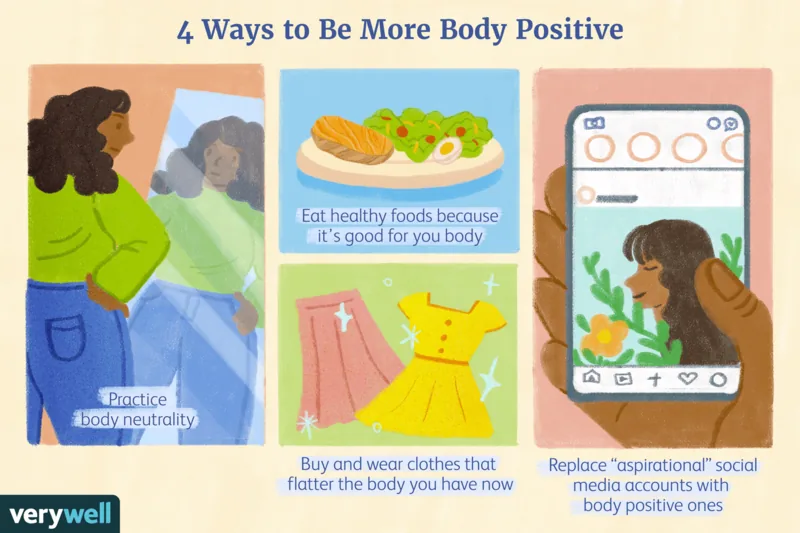
Explore Body Neutrality
It's perfectly okay not to love every single aspect of your body all the time. Body neutrality acknowledges that your body is simply your vessel, and its appearance doesn't dictate your worth. Shifting the focus from constant evaluation to appreciation for what your body *does* - allowing you to walk, breathe, experience joy - can be incredibly freeing.
Prioritize Health-Focused Self-Care
Engage in activities that make you feel good, strong, and energized, rather than solely focusing on changing your appearance. Nourishing meals should be about fueling your body, and exercise should be about movement and strength, not punishment or a means to an end. This is why body positivity is linked to better health outcomes - it encourages sustainable, joyful practices.
Dress for Your Current Body
Wear clothes that fit and flatter your body *now*. Holding onto 'someday' clothes can create a sense of dissatisfaction with your present self. Choose outfits that make you feel comfortable and confident today. Your body is not a project to be completed; it's a home to be cherished.
Curate Your Social Media Feed
Unfollow accounts that consistently trigger comparisons or make you feel inadequate. Instead, fill your feed with content that inspires, educates, or simply brings you joy. Seek out creators who represent diverse bodies and lifestyles, reinforcing the message that beauty comes in many forms.
Building body positivity is an ongoing practice. It involves self-compassion, critical thinking about societal messages, and a commitment to valuing yourself beyond your appearance. It's a journey toward recognizing that your body is worthy of love and respect, exactly as it is.