When a relationship ends, especially one that held deep meaning, the pain can feel all-consuming. Heartbreak is a profound form of grief, leaving many feeling lost, betrayed, or utterly alone. While the journey to recovery is unique for everyone, know that healing is not only possible but inevitable with the right approach. Taking the right steps to moving on is crucial for healing, allowing you to process emotions, learn from the experience, and ultimately rediscover joy and purpose.
Moving on after a breakup involves a compassionate process of acknowledging your pain, detaching from the past, and actively rebuilding your life. This isn't about rushing to forget, but rather about integrating the experience into who you are, making you stronger and more self-aware for future connections. These steps to moving on require patience and self-compassion, transforming a painful ending into a powerful new beginning.
Understanding the Landscape of Heartbreak
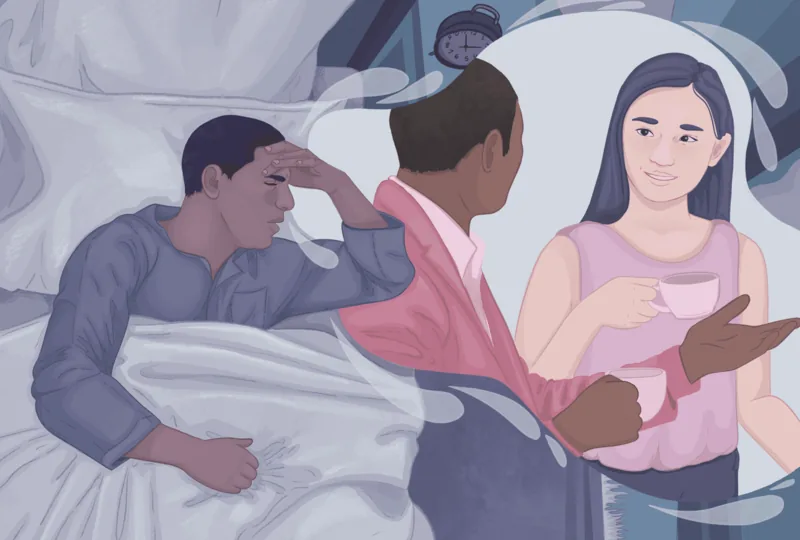
The intensity of heartbreak often surprises us. It's not just emotional pain; it can manifest physically, impacting sleep, appetite, and energy levels. This profound distress stems from more than just losing a partner; it's the loss of shared dreams, routines, and a significant part of your identity that was intertwined with the relationship. When you lose someone you considered central to your life, it can feel like losing a piece of yourself, disrupting your sense of meaning and purpose.
Research suggests that the brain processes social rejection similarly to physical pain, explaining why a breakup can feel so acutely agonizing (Neuroscience Today, 2022). The length of time it takes to heal varies greatly. While some studies indicate it might take around 11 weeks to feel better after a dating relationship, recovering from a marriage can extend to 18 months or more (Psychology Today, 2023). Understanding these dynamics is among the first steps to moving on effectively, reminding you that your feelings are valid and part of a natural grieving process.
The Grieving Process is Personal
Just like any form of grief, there's no fixed timeline for heartbreak. Factors such as the relationship's duration, shared memories, cohabitation, or even children significantly influence the healing journey. It's vital not to compare your process to others or hold yourself to arbitrary deadlines. Allow yourself the grace and time needed to navigate the complex emotional terrain, knowing that each day brings you closer to acceptance and peace.
Essential First Steps to Moving On
Navigating the immediate aftermath of a breakup requires deliberate action and a commitment to self-preservation. These initial strategies are crucial for establishing a foundation for long-term healing, preventing common pitfalls that can prolong your pain. Implementing these practical steps to moving on will significantly aid your recovery.
Acknowledge and Feel Your Emotions
It's natural to want to escape pain, but true healing begins when you allow yourself to fully experience your emotions. Suppressing feelings like hurt, anger, sadness, or rejection only delays the process. Create space for these emotions without judgment. Cry if you need to, scream into a pillow, or simply sit with the discomfort. This isn't about wallowing, but about honest acknowledgment.
"The only way out is through."
Consider journaling about specific triggers that bring up sadness or anger, such as seeing old photos or visiting familiar places. Writing down these feelings can help you process them in a healthy, private way, rather than letting them fester internally (Mindfulness Journal, 2024).
Seek Support, But Set Boundaries
You don't have to go through this alone. Lean on trusted friends and family who can offer a listening ear and comfort. However, be mindful not to let every conversation revolve around your ex. A good friend will listen, but also encourage you to look forward. If you find yourself needing more than your social circle can provide, consider professional help. Therapists, counselors, or support groups offer trained guidance in navigating complex emotions and developing coping strategies. Joining an interest group or online community related to a hobby can also provide new social connections without the pressure of dating.
Digital Detox: Unfollow and Disconnect
In today's digital age, constant access to an ex's life can be detrimental to healing. Stalking social media accounts or receiving updates can feel like reopening a wound repeatedly. Unfollow or mute your ex on all platforms. While tempting to know what they're doing, creating a clean break from their digital presence fosters peace and allows you to focus on your own journey. The less you see, the less you ruminate.
Avoid Rebound Relationships and Impulsive Contact
While the urge to fill the void or distract yourself with a new relationship can be strong, rebound dating often masks pain rather than healing it. It prevents you from processing your breakup fully and can lead to more heartache for everyone involved. Similarly, avoid drunk texting or calling your ex. Alcohol lowers inhibitions, often leading to regretted messages or calls that compound embarrassment and set back your emotional progress. Consider deleting your ex's contact information and temporarily pausing dating apps to remove temptation and create space for genuine self-reflection.
Reclaiming Your Narrative and Identity
Heartbreak often challenges our sense of self. This phase of healing is about consciously reshaping your story, moving away from victimhood and towards empowerment. It's about remembering who you are outside the context of the lost relationship.
Honestly Evaluate the Relationship
It's common to idealize a past relationship, especially after a breakup, focusing only on the good memories. To move forward, you must take an objective look at the reality of the relationship. What were the challenges? What annoyed you about your ex? Were there patterns of behavior that were unhealthy, such as control, jealousy, or emotional distance? Making a list of these less-than-ideal aspects can help ground you in reality and prevent you from romanticizing a situation that ultimately didn't work. This honest reflection is a crucial part of the steps to moving on with clarity.
Prioritize Radical Self-Care
A breakup can leave you feeling unworthy or unlovable. Counteract these feelings by consciously investing in your well-being. This isn't about temporary fixes like excessive drinking or binge-eating, which only offer fleeting relief. Instead, focus on sustainable practices that genuinely nourish you. Get a massage, read a captivating book, take a long, luxurious bath, or engage in a comforting hobby. Prioritizing physical health through regular exercise, nutritious food, and adequate sleep is also paramount. These actions reinforce your inherent worth and help stabilize your emotional state.
Rediscover Your Authentic Self
If your identity became deeply intertwined with your relationship, now is the perfect opportunity to rediscover who you are as an individual. What passions did you put on hold? What were your dreams before this person entered your life? Explore new hobbies, revisit old interests, or even embark on a solo adventure like a weekend trip. This process of self-discovery is vital. Rushing into new ventures or relationships without understanding your core values and desires is a recipe for repeating past patterns and experiencing further heartache.
Journaling for Clarity and Release
Beyond simply acknowledging emotions, journaling can be a powerful tool for profound healing. Write letters to your ex that you never intend to send, pouring out every raw thought and feeling without filter. This cathartic exercise allows you to express anger, sadness, and unanswered questions in a safe space. It helps to externalize your emotions, giving them form and allowing you to observe them rather than being consumed by them. Often, what you write in the heat of the moment is not what you'd want to share later, making the private act of journaling incredibly therapeutic.
Forging a Path Towards Healing and Growth
As the acute pain subsides, the focus shifts from managing immediate distress to cultivating long-term growth and happiness. This involves intentional choices that reshape your perspective and prepare you for a fulfilling future.
Practice Forgiveness and Release Blame
Holding onto anger, resentment, or blame is like drinking poison and expecting the other person to suffer. These negative emotions tether you to the past and your ex, preventing true liberation. Forgiveness isn't about condoning their actions or forgetting the pain; it's about freeing yourself from the emotional chains that bind you. It's a conscious decision to release the burden, allowing you to move forward unencumbered. This doesn't happen overnight, but consciously redirecting your focus from blame to self-healing is a powerful act of self-love.
Find the Silver Linings
While a breakup is undeniably painful, it doesn't have to be entirely negative. Many toxic or unfulfilling relationships end, creating space for something better. Challenge yourself to find the positive aspects of your newfound freedom. Does being single allow you more time to pursue a passion, volunteer for a cause you care about, or travel to a place you've always dreamed of? Perhaps it's an opportunity to break unhealthy patterns or cultivate deeper friendships. Shifting your perspective to gratitude for new possibilities, rather than dwelling on loss, can illuminate the light at the end of the tunnel.
Embrace the Future: Love Awaits
In the throes of heartbreak, it's easy to believe you'll never find love again, or that your ex was your one and only "soulmate." This belief is a common trap. The reality is that human connection and love are abundant. There are countless people in the world, and if you desire another relationship, you absolutely can find one. Love is about choice and compatibility, not a singular, predestined person. Reminding yourself of this truth regularly can lessen the devastation and open your heart to future possibilities when you are ready.
Moving on from heartbreak is a marathon, not a sprint. It demands courage, self-compassion, and consistent effort. By consciously taking these **steps to moving on**, you're not just recovering; you're evolving. You're building resilience, gaining self-awareness, and preparing to step into a future where you are stronger, wiser, and more capable of true, lasting happiness. Trust the process, be kind to yourself, and know that a brighter chapter awaits.