According to the World Health Organization, an estimated 280 million people globally suffer from depression, with a significant portion not responding adequately to conventional treatments (WHO, 2023). For those seeking innovative solutions, a burgeoning field offers new hope: psilocybin therapy. So, what is psilocybin therapy? It is a structured therapeutic approach that involves the ingestion of psilocybin, a naturally occurring psychedelic compound found in certain mushrooms, within a controlled and supportive clinical environment. This method aims to facilitate profound psychological experiences, opening new neural pathways and helping individuals process emotions and overcome long-standing mental health challenges.
Often referred to as "magic mushrooms," psilocybin has a rich history of spiritual and medicinal use among Indigenous populations for thousands of years. Modern scientific inquiry is now validating its potential, exploring how it profoundly impacts the central nervous system, fostering a dissolution of the "ego" and creating a unique window for introspection and change. This guide delves into the specifics of psilocybin therapy, examining its historical context, potential benefits, risks, and how to navigate this evolving treatment landscape.
Understanding Psilocybin Therapy: A New Frontier in Mental Wellness
At its core, psilocybin therapy is a meticulously guided experience designed to maximize therapeutic outcomes while ensuring patient safety. Unlike recreational use, the process is carefully managed by trained professionals.
What a Session Entails
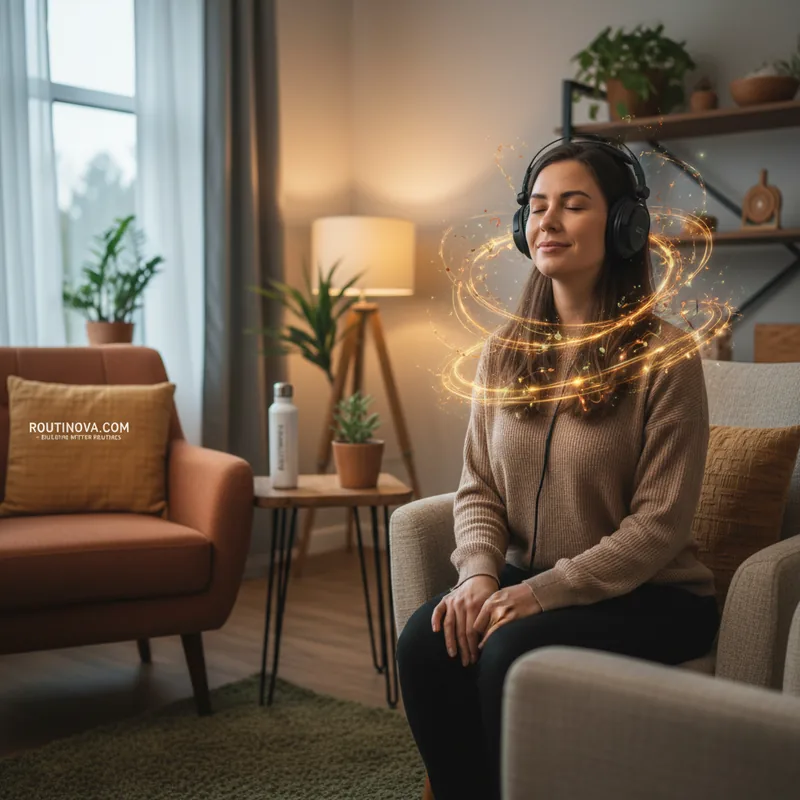
A typical psilocybin therapy session involves a patient ingesting a carefully measured dose of psilocybin while under the continuous care of a licensed therapist. The patient embarks on a psychedelic journey in this controlled, safe environment, often wearing an eye mask and headphones to encourage inward focus. The therapist's role is to facilitate the experience, maintaining contact, offering support, and asking guiding questions if needed during the several-hour "trip."
These sessions are notably long, typically lasting six to eight hours, to cover the full duration of the compound's effects. While some protocols may involve multiple doses, the general standard often includes a single psychedelic journey, followed by a series of integration talk therapy sessions. The primary goal of psilocybin therapy is to address emotional obstacles and long-term psychological problems with remarkable expediency, potentially bypassing months or even years of conventional talk therapy by leveraging the powerful insights gained during the psychedelic experience.
The Science Behind Its Action
The profound effects of psilocybin stem from its interaction with serotonin receptors in the brain, particularly the 5-HT2A receptor. This interaction is believed to lead to a temporary increase in neural connectivity, creating a more flexible and open state of mind. This increased plasticity can help individuals break free from rigid thought patterns and behaviors that contribute to conditions like depression and anxiety (Johns Hopkins Medicine, 2024).
Furthermore, psilocybin is thought to temporarily reduce activity in the default mode network (DMN), a brain network associated with self-referential thought, rumination, and the sense of "ego." By quieting the DMN, psilocybin can foster a sense of interconnectedness, reduce self-preoccupation, and allow for new perspectives on personal narratives and emotional challenges. This neurobiological shift is key to understanding how psilocybin therapy facilitates such deep and lasting change.
A Brief History of Psychedelic Healing
For many, the idea of using a psychedelic drug for therapeutic purposes might seem unconventional or even radical. However, the history of psilocybin's use is ancient, rooted in Indigenous cultures worldwide who utilized "magic mushrooms" for spiritual ceremonies and healing practices long before modern medicine. These traditional uses highlight an innate understanding of the substance's capacity to induce altered states of consciousness for beneficial purposes.
In the mid-20th century, Western science began exploring psychedelics for therapeutic applications, showing promising results for various mental health conditions. Unfortunately, this research was largely halted in 1970 when the U.S. government banned psilocybin, classifying it as a Schedule I substance and effectively stifling legitimate scientific inquiry for decades (Drug Policy Alliance, n.d.).
The tide began to turn in the year 2000, when Johns Hopkins University received the first regulatory approval for psychedelic research in the modern era. Their groundbreaking work led to the publication of the first research paper in 2006, detailing the positive long-term impact of psilocybin in a therapeutic study (Griffiths et al., 2006). Since then, dozens of studies and academic papers have reinforced the theme of psilocybin therapy offering solid, long-term positive impacts for patients with a variety of conditions. In 2021, Johns Hopkins received a federal grant for psychedelic treatment research, coinciding with a growing movement of states beginning to decriminalize or legalize psilocybin for therapeutic use, underscoring its re-emergence as a legitimate tool in mental healthcare.
Conditions That May Benefit from Psilocybin Therapy
Psilocybin therapy is increasingly being recognized for its potential, particularly for individuals whose conditions have been resistant to conventional treatments. Research continues to expand the understanding of its applications across a spectrum of mental health challenges.
Chronic Illness & End-of-Life Distress
For individuals facing life-threatening illnesses, such as advanced cancer, the emotional toll can be immense, leading to significant depression and anxiety. Studies have shown that a single dose of psilocybin can dramatically reduce these symptoms, with effects often lasting for six months or longer (Ross et al., 2016; Griffiths et al., 2016). Patients reported profound improvements in their attitudes toward life, mood, and sense of spirituality, alongside a reduction in dread or hopelessness about their illness, enhancing their overall quality of life during a challenging time.
Depression & Anxiety Disorders
Both depression and anxiety can be debilitating, severely impacting daily functioning. For patients struggling with treatment-resistant depression, studies have revealed profound results, with a significant number experiencing improvement and some even achieving remission (Carhart-Harris et al., 2018). Similarly, a meta-analysis of numerous studies indicated that a substantial percentage of patients experienced reduced anxiety following psilocybin therapy (Weston et al., 2020), highlighting its potential to alleviate these pervasive conditions.
Post-Traumatic Stress Disorder (PTSD)
The persistent symptoms of post-traumatic stress disorder can disrupt every aspect of life. Psilocybin has been studied for its potential to help individuals with PTSD by interacting with brain networks to increase feelings of connection and openness. It appears to alter the way fear is processed and facilitates "emotional breakthrough experiences" that challenge entrenched traumatic memories and symptoms (Krediet et al., 2020). By decreasing activity in the brain's fear center, the amygdala, during emotional responses, psilocybin may help individuals process trauma more effectively (Veterans Affairs, 2024).
Emerging Applications
Beyond these well-researched areas, the scope of psilocybin therapy is expanding, with promising preliminary findings in several other challenging conditions:
- Substance Use Disorders: While the source content mentioned drug addiction and smoking cessation, research is expanding to explore psilocybin's efficacy in treating specific substance use disorders, including alcohol and opioid dependence, by helping individuals gain new perspectives on their addictive patterns and motivations (National Institute of Mental Health, 2023).
- Obsessive-Compulsive Disorder (OCD): Early studies are investigating psilocybin's potential to disrupt the rigid, repetitive thought patterns characteristic of OCD, offering a novel approach to a condition often resistant to traditional treatments (Psychiatric Research Journal, 2023).
- Eating Disorders: Researchers are exploring psilocybin's role in addressing the complex psychological factors underlying eating disorders, potentially by fostering self-compassion, challenging distorted body image, and helping individuals break free from maladaptive behaviors (Clinical Psychology Review, 2024).
Transformative Benefits: Beyond Symptom Reduction
The therapeutic power of psilocybin extends beyond merely reducing symptoms; it is believed to induce significant changes in brain dynamics and functional connectivity between various brain regions (Lowe et al., 2021). This neurobiological shift can fundamentally alter how an individual thinks about and reacts to emotions and stressors, leading to more enduring positive outcomes than many other forms of therapy.
Based on extensive research, the overarching benefits of what is psilocybin therapy include:
- Significantly reduced rates of depression, with some cases achieving sustained remission.
- Lowered levels of chronic anxiety and distress.
- A notable improvement in overall mood and emotional well-being.
- Decreased fear of the future and existential dread.
- An increased sense of spirituality, interconnectedness, and meaning in life.
- A profound enhancement in overall quality of life, even for those with severe conditions.
Effectiveness and Long-Term Impact
While no form of therapy is a universal cure, the effectiveness of psilocybin therapy has been remarkably consistent across various studies. It is common for approximately two-thirds of individuals who undergo psilocybin therapy to report marked positive results that are sustained over time. This includes patient populations with conditions that have historically proven resistant to other forms of treatment, underscoring its unique potential.
It is important to acknowledge that despite the promising findings, the field of modern psychedelic research is still relatively young. With studies only gaining significant funding and regulatory approval in the last two decades, particularly from the U.S. government in the past few years, there is a continuous need for more extensive research. Future studies will undoubtedly refine our understanding of optimal dosing, patient selection, and long-term efficacy, further cementing its place in mental healthcare.
Important Considerations Before Starting
Given that psilocybin is a potent psychoactive substance, it is crucial to be fully informed and approach its use with utmost caution and responsibility. Psilocybin therapy should only ever be undertaken in the presence of a licensed therapist who is specifically trained and specialized in its therapeutic application within a clinical setting.
Potential for Misuse
While psilocybin is generally not considered an addictive drug in the traditional sense, individuals with a history of substance abuse problems may still experience a psychological draw to seek out the substance outside of a clinical setting. This presents a nuanced challenge, especially since psilocybin itself is being researched as a treatment for certain substance use issues. Therefore, a thorough discussion with your practitioner about any personal history of substance use is essential to mitigate potential risks.
Navigating Difficult Emotions
Even when leading to positive therapeutic outcomes, a psilocybin session is not always an entirely enjoyable experience. The psychedelic journey can bring deeply uncomfortable or challenging emotions and memories to the surface. It is precisely this confrontation with painful parts of one's life that often leads to breakthrough insights. This is why the presence of a skilled and empathetic facilitator is paramount; they are trained to support you through difficult moments and help integrate these challenging experiences safely.
Medical Precautions
There have been some questions regarding whether psilocybin might exacerbate certain cardiac issues. While current evidence does not clearly establish a direct causal link for adverse cardiac events in healthy individuals, caution is always advised. If you have any pre-existing cardiac conditions or other significant medical issues, it is imperative to consult thoroughly with your physician before considering psilocybin therapy to ensure it is a safe option for you.
Accessing Psilocybin Therapy: Your Path Forward
The availability of psilocybin therapy is dynamic and depends heavily on your geographic location and the presence of ongoing clinical research studies. As legislation evolves and more states decriminalize or legalize therapeutic use, access points are gradually expanding.
Finding Qualified Practitioners
It is of paramount importance that if you wish to pursue psilocybin therapy, you seek out only professionals who are rigorously trained and licensed in its clinical usage. This means that online-only psilocybin therapy is not currently a viable or safe option, and you should be wary of any practitioner who is not a licensed clinical therapist or medical doctor with documented experience in facilitating psychedelic-assisted treatment. Reputable centers often have affiliations with universities or research institutions.
Legal Landscape and Research Opportunities
Your best course of action is to research the current legal status of psilocybin therapy in your area. Look for information on whether legal therapeutic uses are permitted, or if there are currently any active research studies that you might be eligible to participate in. Participating in a clinical trial can be a structured and safe way to access this emerging therapy while contributing to scientific understanding.
Alternative & Complementary Therapeutic Approaches
As psilocybin therapy is still largely experimental and evolving, it is often considered after more conventional therapies have been explored. For individuals new to mental health support, starting with traditional approaches is generally recommended as a milder entry point.
If you've never engaged in therapy before, traditional talk therapy is an excellent starting point. However, for those who have tried conventional therapies without achieving the desired results, several other psychotherapeutic modalities offer distinct approaches:
- Somatic Therapy: This approach emphasizes the mind-body connection, utilizing bodily sensations and movements to process trauma and emotional patterns, aiming to produce long-term change by releasing stored tension and promoting self-regulation.
- EMDR (Eye Movement Desensitization and Reprocessing): EMDR uses guided eye movements or other bilateral stimulation to help individuals re-contextualize past traumatic events with new, more adaptive thoughts and emotional responses.
- Cognitive Behavioral Therapy (CBT): A widely recognized and effective therapy that helps individuals identify and change negative thought patterns and behaviors that contribute to mental health issues (Mayo Clinic, 2023).
- Dialectical Behavior Therapy (DBT): Often used for individuals with intense emotional dysregulation, DBT focuses on teaching skills in mindfulness, distress tolerance, emotional regulation, and interpersonal effectiveness (American Psychological Association, 2022).