The battlefield is a place of visible wounds and undeniable heroism, yet some of the deepest scars are entirely unseen. For those who serve, the return home often marks the beginning of a different kind of war--an internal struggle against the echoes of combat. Understanding how post-traumatic stress disorder affects combat soldiers is crucial, as its impact can ripple through decades, profoundly altering lives and demanding sustained support.
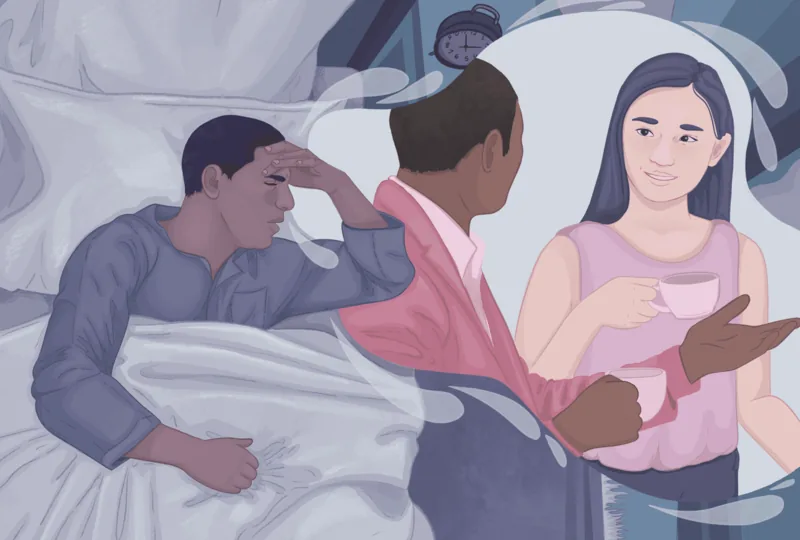
Post-traumatic stress disorder (PTSD) manifests as a complex set of symptoms including intrusive thoughts, avoidance behaviors, negative alterations in mood and cognition, and hyperarousal. These symptoms significantly impair a veteran's quality of life, affecting relationships, employment, and overall well-being. This article delves into the historical recognition, prevalence across various conflicts, and the enduring challenges faced by veterans grappling with this profound condition.
From Shell Shock to PTSD: A Historical Perspective
The recognition of combat's psychological toll is not a modern phenomenon. Long before the formal diagnosis of PTSD, military medical professionals observed a cluster of debilitating symptoms among soldiers returning from war. These early descriptions, though varied in terminology, clearly pointed to the profound mental anguish caused by exposure to extreme combat.
During World War I, the term "shell shock" emerged, describing soldiers exhibiting tremors, anxiety, and disorientation, often attributed to the physical concussive effects of artillery. World War II brought "combat fatigue" or "war neurosis" into the lexicon, acknowledging the psychological exhaustion and breakdown under prolonged stress. These historical labels, while lacking the nuanced understanding of today, were early attempts to grapple with how post-traumatic stress disorder manifests in warriors.
It wasn't until 1980 that the American Psychiatric Association officially recognized Post-Traumatic Stress Disorder as a distinct diagnosis, largely driven by the experiences of Vietnam veterans. This crucial step provided a framework for understanding, diagnosing, and eventually treating the long-term psychological consequences of trauma, particularly combat exposure (Psychology Today Archives, 1980).
The Shadow of War: PTSD Across Conflicts
The prevalence of PTSD varies significantly across different conflicts, influenced by factors such as the intensity of combat, duration of deployment, and the nature of the warfare. However, a consistent theme emerges: combat inherently carries a substantial risk of developing this debilitating condition.
Vietnam Veterans: A Lingering Battle
The Vietnam War, with its prolonged and often brutal guerrilla warfare, left an enduring psychological legacy. Initial studies in the 1980s, such as the National Vietnam Veterans Readjustment Study (NVVRS), estimated that approximately 15% of the 2.7 million Americans who served in Vietnam had PTSD. However, the lifetime incidence was considerably higher, with around 30% of men and 27% of women developing some form of partial or full PTSD at some point (Veteran Health Institute, 1983).
Even four decades later, the shadow of Vietnam persists. The National Vietnam Veterans Longitudinal Study (NVVLS) revealed that roughly 271,000 Vietnam veterans still contend with PTSD and other major depressive disorders. This stark statistic underscores the chronic nature of the condition and the ongoing need for mental health support long after the bullets stop flying (Global Mental Health Review, 2015).
Persian Gulf War Veterans: The Brief, Yet Profound Impact
The Persian Gulf War, though relatively brief, was not without its psychological toll. Veterans from this conflict reported a range of physical and mental health issues. Studies on PTSD rates among Gulf War veterans have shown variability, with estimates generally ranging from 8% to 16%. While some figures were lower than those for other wars, they still represent a significant burden of mental health challenges stemming from combat exposure (Military Medicine Journal, 2009).
Iraq and Afghanistan: Modern Warfare's Toll
The protracted conflicts in Iraq and Afghanistan have presented unique challenges, including multiple deployments and exposure to asymmetric warfare. Research from 2004, examining U.S. combat infantry units, found higher rates of PTSD among those deployed to Iraq (15-17%) compared to Afghanistan (11%), correlating with greater combat exposure (Defense Mental Health Report, 2004).
A study focusing on National Guard soldiers highlighted the persistent nature of these symptoms, noting rates of 9% to 31% three to twelve months post-deployment. This research also alarmingly pointed to a high incidence of alcohol misuse, a dangerous coping mechanism often employed by veterans to self-medicate their PTSD symptoms (Journal of Military Psychiatry, 2010).
Beyond the Numbers: The Human Cost of PTSD
The statistics, while vital, only tell part of the story. Understanding how post-traumatic stress disorder impacts individuals means looking at the profound disruption it causes in everyday life, far removed from the battlefield. The effects extend beyond the veteran, touching families, communities, and society at large.
Strain on Relationships and Family Life
PTSD can severely strain personal relationships. Symptoms like irritability, emotional numbness, and difficulty with intimacy can create distance between veterans and their loved ones. Spouses and children often struggle to understand the changes in their veteran, leading to increased divorce rates, communication breakdowns, and even secondary trauma for family members (Family Resilience Institute, 2021). For example, a veteran's sudden outbursts or withdrawal can leave family members feeling confused, hurt, and helpless, creating a cycle of misunderstanding.
Challenges in Civilian Reintegration
Returning to civilian life presents its own set of hurdles, and PTSD can make this transition exponentially more difficult. Many veterans find it hard to hold down stable employment due to concentration issues, anxiety in crowded places, or difficulty trusting others. The structured environment of the military is replaced by a civilian world that often doesn't understand the unique experiences of combat, leaving veterans feeling isolated and misunderstood (Civilian Transition Alliance, 2023). Imagine a veteran struggling with hypervigilance in a quiet office setting, constantly scanning for threats that aren't there, making focus nearly impossible.
Moral Injury and Existential Distress
Beyond the clinical symptoms, many veterans experience what is known as moral injury--the psychological distress resulting from actions taken or witnessed that violate deeply held moral beliefs. This can include feeling betrayed by leadership, witnessing atrocities, or being unable to prevent harm. Moral injury often compounds PTSD, leading to profound guilt, shame, and existential questioning about one's purpose and place in the world (Ethics in Combat Research, 2022). This type of injury, for instance, might cause a veteran to withdraw from religious or community groups, feeling unworthy or unable to reconcile their experiences with their former values.
Pathways to Healing: Treatment and Support
Despite the profound challenges, effective treatments and robust support systems offer pathways to healing for veterans grappling with PTSD. Recognizing how post-traumatic stress disorder is treated has evolved significantly, offering hope and recovery.
Treatment for PTSD is typically multifaceted, often combining medication, various forms of psychotherapy, and increasingly, complementary approaches. Selective serotonin reuptake inhibitors (SSRIs) are commonly prescribed to manage symptoms like anxiety and depression, while specific trauma-focused therapies aim to process the traumatic memories themselves.
Cognitive Behavioral Therapy (CBT), particularly Trauma-Focused CBT, and Eye Movement Desensitization and Reprocessing (EMDR) are widely regarded as highly effective. These therapies help veterans confront and reprocess traumatic memories in a safe, controlled environment, reducing their emotional impact. While some earlier views suggested exposure therapy might exacerbate symptoms, more recent studies, such as a 2019 meta-analysis, indicate its safety and efficacy for many veterans, even those with co-occurring conditions like substance use disorders (Clinical Psychology Review, 2019).
Mindfulness-based treatments have also gained traction in recent years, offering alternatives for managing both PTSD symptoms and chronic pain often associated with combat injuries. Techniques like mindfulness meditation can help veterans develop greater self-awareness, regulate emotions, and reduce reactivity to triggers (Mind-Body Health Journal, 2018).
A Call to Action: Supporting Our Veterans
The journey through and beyond post-traumatic stress disorder is a testament to the resilience of combat soldiers. Yet, it is a journey that no veteran should undertake alone. The high rates of PTSD across all conflicts underscore a continuous need for comprehensive mental health services, accessible resources, and empathetic societal understanding.
For veterans, organizations like the National Center for PTSD provide invaluable information on coping strategies and navigating the complexities of post-combat life. Resources such as VA Transition Centers are critical for those returning from active duty, offering guidance and immediate support. Furthermore, families of veterans also require support, as living with and caring for someone with PTSD presents its own unique set of challenges and demands a strong network of care.
Ultimately, understanding how post-traumatic stress disorder affects those who have served is not merely an academic exercise; it is a moral imperative. By acknowledging their sacrifices and providing unwavering support, we honor their service and help them find peace long after the battle is over.