The question, "Is pornography destroying your marriage?" resonates with countless couples navigating the complexities of modern relationships. With explicit content more accessible than ever, its presence in marital dynamics is a growing concern. While some consider it a harmless form of sexual exploration, for many, it poses a significant threat to intimacy, trust, and overall relationship satisfaction. This article delves into the multi-faceted ways pornography can impact a marriage, exploring the underlying reasons for its use and providing actionable strategies for couples facing these challenges.
Understanding Pornography's Impact on Modern Marriages
In today's digital age, pornography is just a click away, leading to a significant increase in its prevalence across all demographics. A 2020 study in the Journal of Sex Research indicated that a substantial percentage of both men (91.5%) and women (60.2%) reported using pornography within the previous month. This widespread accessibility means that the question of "is pornography destroying your marriage?" is more relevant than ever for a vast number of couples.
While some partners might view pornography as a harmless way to explore sexuality or add "spice" to their intimate lives, extensive research consistently points to potential negative consequences. Studies highlight that pornography use can be a strong predictor of poor relationship quality and stability, even linking it to increased rates of divorce (Harvard, 2024). The impact extends beyond just sexual acts, seeping into emotional connection and overall marital harmony. Understanding these broader implications is crucial for couples seeking to protect their relationship from potential harm.
The shift from physical media to digital platforms has made pornography easier to consume privately and anonymously, often without a partner's knowledge. This stealthy consumption can lay the groundwork for a host of relational issues, even before the content itself causes problems. The secretive nature can breed distrust and distance, creating cracks in the foundation of what should be a transparent and secure bond. It's not just about the explicit material; it's about the context and communication surrounding its use.
How Pornography Erodes Marital Trust and Intimacy
One of the most insidious ways pornography can affect a relationship is by chipping away at trust. Often, a partner's use of pornography is kept secret, shrouded in shame and isolation. This secretive behavior, whether it involves hiding browsing history or lying about time spent online, introduces an element of deceit into the relationship. For instance, a spouse might discover hidden tabs or deleted messages, leading to feelings of betrayal akin to emotional infidelity, even without physical contact.
This pattern of secrecy fundamentally undermines the bedrock of trust that healthy marriages rely on. When one partner feels compelled to hide their actions, it erodes the other's confidence in the relationship's honesty and transparency. This constant need to conceal can create emotional distance, making genuine connection difficult. The feeling that something important is being withheld can lead to a pervasive sense of insecurity and suspicion, making the question "is pornography destroying your marriage?" feel very real.
Beyond secrecy, frequent pornography use can directly obstruct emotional intimacy. Experts like Drs. John and Julie Gottman, renowned relationship psychologists, emphasize that pornography can significantly reduce the frequency of partnered sex and ultimately diminish relationship satisfaction. This isn't just about physical acts; it's about the emotional vulnerability that true intimacy requires. When one partner frequently turns to pornography, they may emotionally detach from their spouse, substituting the deep, bonding experience of shared physical and emotional vulnerability with a more superficial, solitary encounter. This detachment is a significant risk to the long-term viability and health of any marriage (Harvard, 2024).
The Psychological Toll: Unrealistic Expectations and Self-Esteem
Pornography often presents a highly curated and unrealistic portrayal of sex and relationships, which can profoundly impact the psychological well-being of both partners. Viewers may unconsciously begin to form skewed expectations about what a sexual encounter should entail or what a partner should look like. Unlike a movie with a clear plot, the "reality" of pornographic scenes can blur, leading individuals to forget that what they're seeing is scripted, edited, and performed by actors. For example, a partner might start comparing their spouse's body or sexual responsiveness to the idealized, often surgically enhanced or highly stylized, performers they see on screen. This can create an impossible standard that no real-life relationship can meet.
This distortion of reality can breed dissatisfaction, not only with a partner's appearance or performance but also with the sexual dynamic within the marriage itself. The constant bombardment with perfectly executed, consequence-free scenarios can make genuine, messy, and vulnerable partnered sex seem inadequate or boring. This can lead to a decrease in overall sexual satisfaction for the user and, by extension, their partner. When a partner holds these unrealistic expectations, it can manifest in criticism, disinterest, or a reluctance to engage intimately, fueling the concern that pornography is indeed destroying their marriage.
Moreover, pornography can inflict a severe blow to a partner's self-esteem and self-worth. When a wife discovers her husband is viewing pornography, she may instinctively compare herself to the women depicted, who often embody conventional beauty standards that are difficult to achieve. This can lead to feelings of inadequacy, sexual undesirability, and a pervasive sense that she is "not enough" for her partner. Research confirms that partners experiencing this often develop negative self-perceptions, feeling worthless or weak (Harvard, 2024). For instance, a wife might begin to scrutinize her body, diet excessively, or feel anxious during intimacy, convinced she cannot compete with the idealized images her husband consumes. This constant internal battle with negative self-talk eventually permeates the relationship, fostering jealousy, insecurity, and a general erosion of trust in the partner's attraction and commitment.
Why Partners Turn to Pornography: Underlying Factors
Understanding the motivations behind pornography use can be a crucial step for couples grappling with its impact. Often, partners don't turn to pornography out of malice or a desire to hurt their spouse, but rather due to deeper, unmet needs or coping mechanisms. One significant reason is that pornography may serve as a substitute for affection or emotional connection. When a person feels a void in their relationship—perhaps a lack of physical intimacy, emotional support, or general affection—they might turn to explicit content to fulfill these social needs and combat feelings of loneliness. It can offer a perceived sense of connection or arousal in the absence of genuine intimacy, particularly in moments of vulnerability.
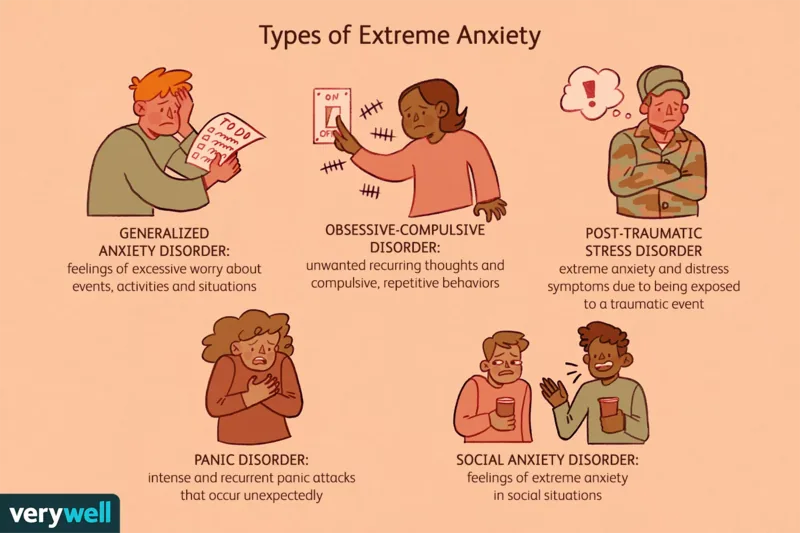
Another common factor is that pornography can function as a coping mechanism for stress, anxiety, or other mental health issues. In challenging times, individuals may seek an escape from daily pressures or emotional distress. Pornography can provide a temporary distraction or a sense of immediate gratification, releasing "feel good" chemicals in the brain that offer a fleeting sense of pleasure and relief. This can become a go-to strategy for managing difficult emotions, creating a cycle where stress leads to porn use, which in turn might exacerbate relational problems. This highlights how pornography can be a symptom of deeper personal or relational struggles, rather than the root cause itself.
Furthermore, the powerful neurological effects of pornography play a significant role. Viewing explicit content activates the brain's reward pathways, triggering the release of neurotransmitters like dopamine. This creates a pleasurable sensation, which can be highly reinforcing, leading some to describe pornography use as addictive. While "porn addiction" is not a formally recognized diagnosis by all experts, the behavioral patterns can resemble those of other compulsive behaviors. The brain's response explains why some individuals find it difficult to stop, even when they recognize the negative impact on their relationship. It's important to differentiate between casual use and compulsive engagement, as the latter often points to underlying psychological vulnerabilities or a struggle with self-regulation, further complicating the question of whether pornography is destroying your marriage.
Navigating Pornography Concerns: Open Dialogue and Support
When pornography becomes a source of conflict or distress in a marriage, open and honest communication is paramount. It’s vital to remember that if one partner is uncomfortable with pornography use, it is a legitimate issue that needs to be addressed. Far too often, couples avoid this difficult conversation, allowing resentment and distance to grow. The first step involves initiating a dialogue, and the way this conversation begins can significantly influence its outcome. Approaching the topic calmly and directly, without immediate accusation, can set a constructive tone. For instance, instead of an accusatory "You're watching too much porn!", a softer approach like "I need to talk about something that's been bothering me about our intimacy" can be more effective.
Creating a safe space for this discussion means leaving judgment at the door. When discussing sexuality, partners are often at their most vulnerable. Criticizing or shaming a partner's choices can shut down communication and make them defensive, hindering any progress. Instead, focus on understanding their perspective by asking open-ended questions. Inquire about what they enjoy or seek from pornography, and whether they perceive their use as problematic. This investigative approach fosters empathy and encourages honest self-reflection, rather than immediate blame. It’s about understanding the "why" behind the behavior, which can reveal deeper unmet needs or coping mechanisms.
Equally important is for each partner to own and articulate their feelings without placing blame. Clearly explain why pornography use bothers you, focusing on "I" statements rather than "you" statements. For example, "I feel insecure when I see you watching porn because I compare myself to the women on screen," is more constructive than "You make me feel bad about myself when you watch porn." This requires vulnerability, potentially opening up about insecurities regarding body image, sexual performance, or fear of not being enough. By expressing these feelings calmly and clearly, partners can understand the emotional impact of the behavior, fostering an environment where both individuals feel heard and validated. This collaborative approach is essential to determine if pornography is destroying your marriage or if it's a challenge that can be overcome together.
Seeking Professional Help for Pornography-Related Marital Issues
If open dialogue and mutual understanding aren't enough to resolve the issues stemming from pornography use, seeking professional help is a crucial next step. A qualified couples' counselor or sex therapist can provide a neutral, supportive environment for both partners to explore their feelings, motivations, and the impact of pornography on their relationship. These professionals are trained to facilitate difficult conversations, mediate conflicts, and equip couples with effective communication strategies. They can help identify underlying issues, such as unmet emotional needs, past traumas, or attachment insecurities, that might be contributing to compulsive pornography use or a partner's distress.
Marriage counseling can also be invaluable, particularly if pornography use is a symptom of broader marital problems rather than the sole cause. Issues like communication breakdowns, financial stress, or differing life goals can create an environment where one partner might turn to pornography as an escape or coping mechanism. A marriage counselor can help identify these deeper cracks in the relationship's foundation and guide the couple toward rebuilding trust, improving intimacy, and addressing long-standing conflicts. This holistic approach ensures that not only the pornography issue but also any contributing factors are thoroughly examined and addressed, strengthening the overall health of the marriage.
It is also important to consider individual therapy for the partner engaging in pornography use, especially if it has become compulsive or problematic. While "porn addiction" is a debated term, the behaviors associated with compulsive use—such as secrecy, lying, neglecting responsibilities, and significant distress—can profoundly impact an individual's life and relationships. A therapist can help the individual explore the reasons behind their use, develop healthier coping mechanisms, and address any underlying mental health concerns like anxiety, depression, or past trauma. This individual work, combined with couples therapy, offers a comprehensive approach to healing and recovery, ultimately determining if pornography is destroying your marriage or if it can be a catalyst for growth and deeper connection. Seeking this integrated support demonstrates a commitment to the relationship and a willingness to confront challenging issues head-on.