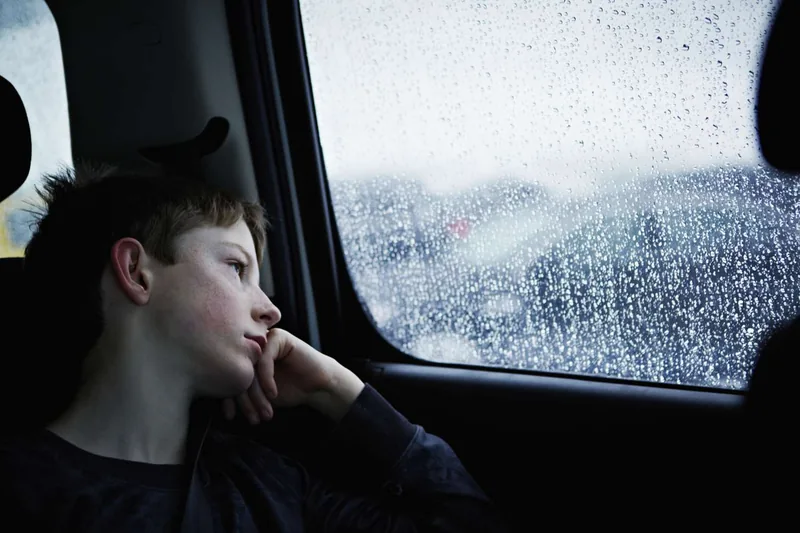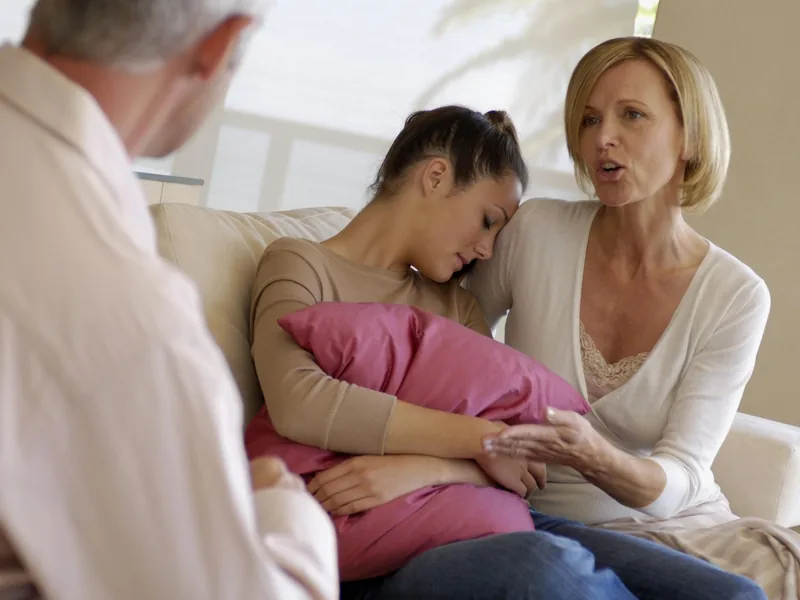
Have you ever experienced a profound loss, only to find that those around you didn't seem to understand the depth of your pain? Perhaps your sorrow was dismissed, minimized, or simply ignored, leaving you to grieve in isolation. This experience has a name: disenfranchised grief. Disenfranchised grief occurs when your experience of loss is not acknowledged or validated by society, making the healing process uniquely challenging and often isolating.
When we lose something or someone significant, grief is a natural, often overwhelming response. Social support plays a crucial role in navigating this difficult terrain, offering comfort and helping to prevent negative mental health outcomes like depression or PTSD (Scott et al., 2020). But for those facing disenfranchised grief: what it means is that this vital support system is often absent, leaving individuals to grapple with their emotions in silence. This article delves into the nature of disenfranchised grief, exploring its causes, profound impact, and practical strategies for coping and finding a path toward healing.
Understanding Disenfranchised Grief: What It Truly Means
Grief is an intensely personal journey, unique to each individual. While the loss of a spouse or a child is universally recognized as devastating, many other forms of loss, equally impactful to the individual, often go unnoticed or unacknowledged by society. Mental health experts define disenfranchised grief: what it encompasses is any loss that is not openly acknowledged, socially validated, or publicly mourned (Albuquerque et al., 2021). This can manifest in several ways: the relationship itself might not be recognized as significant, the loss might be seen as minor, or the way someone expresses their grief might be deemed unacceptable.
The core issue is a lack of social permission to grieve. When this permission is withheld, individuals are often left feeling isolated, confused, and even ashamed of their own emotions. This absence of validation can interrupt the natural grieving process, making it difficult to find closure and move forward.
The Hidden Losses: Exploring Examples of Disenfranchised Grief
The scenarios in which disenfranchised grief can arise are vast and varied, reflecting the diverse tapestry of human connections and experiences. While some losses are universally mourned, others exist in the shadows, their significance understood only by those directly affected. Here are some common examples where grief might be disenfranchised:
- Loss of a Pet: For many, a pet is a beloved family member, yet their death is often not afforded the same societal recognition as a human loss.
- Loss of a Non-Traditional Relationship: This includes the death of an ex-partner, a casual partner, a friend with benefits, or a secret relationship (such as an LGBTQ+ partner who was not 'out').
- Loss Related to Stigmatized Circumstances: Grief over a loved one who died by suicide, substance overdose, or a condition like AIDS, where societal judgment can complicate mourning.
- Loss of a Miscarried, Stillborn, or Aborted Child: These profound losses are often deeply personal and may not receive public acknowledgment or support.
- Loss of an Estranged or Abusive Family Member: The complex emotions surrounding such deaths - relief mixed with sorrow - are often misunderstood.
- Loss of a Community Figure: Grieving a teacher, mentor, coach, or even a public figure whose impact was significant but not personally known to others. This also extends to collective grief for community members affected by hate crimes or systemic injustice.
- Loss of Health or Ability: The ongoing grief associated with chronic illness, disability, or the decline of a loved one's cognitive function.
- Loss of Possessions or Home: The emotional impact of losing one's home, cherished valuables, or even citizenship due to disaster, conflict, or economic hardship.
- Loss of a Cherished Hobby or Passion: An injury or illness that prevents someone from continuing a deeply fulfilling hobby, like playing a musical instrument or competitive sports, can evoke significant grief.
- Loss of a Close Community or Neighborhood: The slow decline or forced displacement of a vibrant community, leading to the loss of familiar faces, shared spaces, and a sense of belonging.
- Loss of Professional Identity: The grief experienced after retirement, job loss, or a career change, where a significant part of one's identity and purpose was tied to their work.
These examples highlight that disenfranchised grief: what it truly encompasses is any sorrow that falls outside the conventional boundaries of recognized mourning, leaving individuals to navigate their pain in solitude.
Why Grief Goes Unrecognized: Roots of Disenfranchisement
Several factors contribute to grief becoming disenfranchised, often stemming from societal norms, communication gaps, or a lack of understanding. Mental health professionals point to these key reasons:
- Unrecognized Relationship Significance: Society may not acknowledge the depth of the bond between the grieving individual and what they've lost. For instance, the attachment to a pet or a mentor might be underestimated.
- Lack of Social Understanding: There might be a general societal ignorance or discomfort around certain types of relationships or losses, making it hard for people to offer appropriate validation.
- Private Nature of the Loss: If a relationship was secret or the circumstances of the loss are private, others may simply be unaware of the need for support, or the grieving person may feel unable to disclose their pain.
- Non-Conforming Grieving Behaviors: When an individual's expression of grief doesn't align with social expectations - perhaps they grieve 'too long,' 'too intensely,' or 'not enough' - their grief may be invalidated.
- Disenfranchised Populations: Individuals from marginalized groups (racial, ethnic, religious, sexual minorities, or those with disabilities) often experience disenfranchised grief more acutely, as their experiences and emotions may already be subject to systemic invalidation.
These underlying causes underscore the complexity of disenfranchised grief, revealing how deeply embedded societal structures and expectations can influence our capacity to mourn openly and receive support.
The Silent Burden: Mental Health Impacts of Unacknowledged Grief
Grief, in any form, can trigger a cascade of emotional and physical symptoms, including profound sadness, anger, guilt, despair, sleep disturbances, and changes in appetite (National Cancer Institute, 2023). When grief is disenfranchised, these symptoms are often exacerbated, turning a difficult experience into a deeply isolating and potentially damaging one.
The lack of validation can lead individuals to question their own feelings. "When grief is not recognized as valid by others, people may start to question their own feelings and feel anger, shame, or guilt for experiencing grief," explains one psychotherapist. This internal conflict can lead to minimizing one's own emotional pain, further complicating the healing process.
Validation is crucial for allowing a person to move through the natural cycle of grief and process their emotions. Without it, the grieving process can become interrupted, leaving individuals stuck in their sorrow or developing unhealthy coping mechanisms. The inability to express and process grief openly can contribute to chronic sorrow, prolonged depression, anxiety disorders, and even physical health problems (Mayo Clinic, 2023).
Finding Your Path to Healing: Strategies for Coping
Coping with disenfranchised grief requires intentional self-care and, at times, professional support. While external validation may be scarce, there are powerful internal and relational strategies to help you navigate this unique form of sorrow.
Create Meaningful Rituals
Traditional rituals like funerals offer a communal space for mourning. When your grief is disenfranchised, these public avenues might not feel appropriate. However, creating personal rituals can be profoundly healing. This could involve writing a letter to what you've lost, planting a tree in remembrance, holding a small private ceremony with trusted loved ones, or engaging in a practice from your religious or spiritual tradition. The purpose is to create a tangible way to honor your loss and express your emotions.
Acknowledge and Process Your Anger
Anger is a natural, often intense, component of grief, particularly when your loss is unrecognized. You might feel angry at society, at those who dismiss your pain, or even at yourself. It's crucial not to suppress this anger. Instead, allow yourself to feel it, acknowledge its presence, and find healthy ways to express it. Journaling, engaging in physical activity, or discussing it with a trusted confidant can help transform this anger into a force for healing, rather than a barrier to it.
Seek Therapeutic Support
Navigating disenfranchised grief can be incredibly challenging alone. Therapy offers a safe and confidential space where your grief can be fully acknowledged and validated. A therapist can help you explore your complex feelings, process the invalidation you've experienced, and develop healthy coping mechanisms. Several therapeutic approaches can be beneficial:
- Cognitive Behavioral Therapy (CBT): Helps identify and challenge negative thought patterns that contribute to feelings of shame, guilt, or prolonged mourning.
- Acceptance and Commitment Therapy (ACT): Focuses on accepting difficult feelings and committing to actions aligned with your values, even in the presence of pain.
- Narrative Therapy: Encourages you to construct a coherent story around your loss, helping you make sense of your emotions and experiences.
- Support Groups: Connecting with others who have experienced similar forms of disenfranchised grief can provide invaluable validation, understanding, and a sense of community.
- Art Therapy: Utilizes creative expression to process emotions that may be difficult to articulate verbally.
- Brainspotting: A technique that helps individuals process and release emotional pain or trauma stored in the body (Corrigan & Hull, 2015).
Remember, your grief is valid, regardless of whether others recognize it. Taking proactive steps to honor your loss and seek support is a testament to your resilience and a vital part of your healing journey. Embracing disenfranchised grief: what it demands is self-compassion and the courage to validate your own experience, even when the world around you does not.