According to recent research, up to 30% of the risk for developing Generalized Anxiety Disorder (GAD) can be attributed to genetics. Imagine inheriting a predisposition, a subtle tilt towards worry, that only fully surfaces when life's pressures mount. This invisible inheritance, coupled with life's unpredictable storms, can pave the way for the persistent, excessive worry that defines GAD. But genetics aren't the whole story; a complex interplay of brain structure, life experiences, societal pressures, and personal habits all contribute to this pervasive condition.
Understanding the Roots of Generalized Anxiety
Generalized Anxiety Disorder (GAD) is more than just occasional worry. It's a persistent, often overwhelming sense of dread and apprehension that colors daily life. Pinpointing exactly what could cause generalized anxiety is crucial, not just for researchers and clinicians, but for anyone seeking to understand and manage their own mental well-being. The truth is, there's no single culprit. Instead, GAD emerges from a intricate blend of inherited tendencies, biological factors, and the environmental landscape we navigate.
Think of it like a complex recipe. You might start with a genetic ingredient that makes you more susceptible, but it's the other elements--the stress of a demanding job, the impact of childhood experiences, or even the constant barrage of social media--that can truly activate and sustain the disorder.
The Role of Genetics and Brain Chemistry
Your genetic makeup can indeed play a significant role in whether you develop GAD. While research is ongoing, studies suggest that a substantial portion of the risk, estimated around 30%, is inherited (Gottschalk & Domschke, 2017). This means you might inherit a vulnerability, making you more susceptible to developing anxiety disorders, including GAD, especially when combined with environmental triggers.
Family history is a strong indicator here. If you have first-degree relatives--parents, siblings, or children--who have struggled with anxiety disorders, your own risk is elevated. This inherited predisposition doesn't guarantee a diagnosis, but it does mean your system might be wired a bit differently when it comes to stress response.
Beyond genetics, differences in brain structure and function are also implicated. Specifically, the amygdala, the brain's alarm system, appears to be hyperactive in individuals with GAD. This heightened activity can lead to misinterpreting neutral or even positive social cues as threatening, fueling the cycle of worry. Furthermore, studies have observed increased gray matter volume in certain brain regions among those with GAD, with some research linking this to experiences of childhood maltreatment (Lim et al., 2022).
Women are also more likely to be diagnosed with GAD than men, experiencing these disorders at roughly twice the rate (National Institute of Mental Health, n.d.). While the exact reasons are complex, hormonal factors and societal pressures are often considered.
How Life Experiences Shape Anxiety
While biology lays some groundwork, life experiences often act as the catalysts that can trigger or exacerbate GAD. The formative years are particularly critical. Experiencing trauma in childhood--whether it's abuse, neglect, the loss of a loved one, or significant family disruption--can profoundly shape your brain's threat-detection system. These early adversities can foster a deep-seated sense of uncertainty and a generalized apprehension about the world, making future threats feel more potent.
Consider someone who grew up in a volatile household where unpredictable outbursts were common. As an adult, even minor disagreements might trigger intense anxiety because their brain has learned to associate uncertainty with danger. This difficulty in accurately assessing threats means that situations others find manageable can feel overwhelming and dangerous to someone with GAD.
Another significant factor is learned behavior. If you witnessed a parent or caregiver constantly expressing worry, catastrophizing, or demonstrating avoidance behaviors, you might unconsciously adopt similar coping mechanisms. Children learn how to navigate stress by observing the adults around them. When those models are less effective, it can instill a pattern of anxious response that persists into adulthood (Elfström & Ahlen, 2022).
The type of life events that reliably predict GAD onset often involve feelings of loss, humiliation, entrapment, or danger. These are not just fleeting negative emotions; they are profound experiences that can leave lasting imprints on our psychological landscape.
Societal and Lifestyle Influences
In our hyper-connected world, societal factors and personal lifestyle choices significantly contribute to the landscape of generalized anxiety. The pervasive nature of social media, for instance, can amplify feelings of inadequacy and social comparison. Constantly seeing curated highlight reels of others' lives can foster a sense of falling behind, triggering anxiety about social standing, achievements, or even appearance.
Interactions online, much like in-person ones, can also lead to feelings of loneliness, rejection, or humiliation. Because GAD can impair the ability to accurately interpret social cues, the lack of nonverbal feedback in online communication can exacerbate these misinterpretations, potentially increasing anxiety even further (Karim et al., 2020).
Your daily habits and choices also matter. Reliance on caffeine, particularly in large quantities, can mimic or worsen anxiety symptoms, leading to restlessness and increased worry. The cultural pressure to constantly perform and achieve can push individuals to rely on stimulants, creating a cycle of dependence and heightened nervous system arousal.
Job stress is another potent factor. High expectations for productivity, fear of job loss, or intense competition for roles can create chronic stress. This prolonged exposure to pressure, especially when it threatens one's sense of security and ability to provide, is a significant risk factor for developing anxiety disorders (Ströhle et al., 2018).
Furthermore, the dynamics within relationships can be a major source of anxiety. For women, who are already at higher risk for GAD, experiencing fear or humiliation from a partner, past or present, is a notable contributing factor. Dangerous or distressing relationship experiences can deeply impact emotional security and foster ongoing anxiety.
Identifying and Managing Risk Factors
Recognizing what could cause generalized anxiety disorder is the first step toward managing it. While you can't change your genetic inheritance or erase past traumas entirely, many risk factors are modifiable. Key risk factors include:
- Being female: Women are diagnosed with GAD more frequently than men.
- Personality traits: Tendencies toward neuroticism, fearfulness, or behavioral inhibition can increase susceptibility.
- Stressful life experiences: A history of trauma or significant life stressors heightens risk.
- Family history: A close relative with an anxiety disorder increases your likelihood.
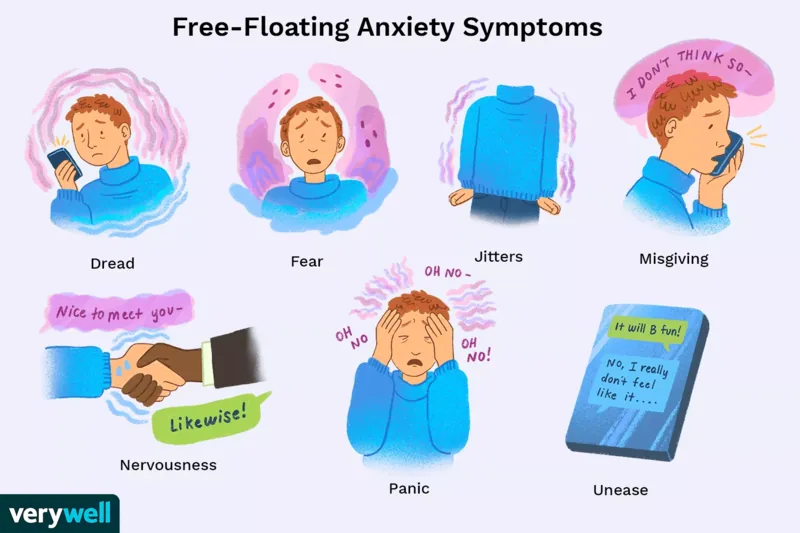
While there's no guaranteed way to prevent GAD, proactive steps can significantly mitigate its impact. Recognizing the subtle symptoms--persistent worry, fatigue, restlessness, difficulty concentrating, muscle tension, irritability, and sleep disturbances--is crucial. These signs might be dismissed as normal stress, but seeking professional help early can prevent symptoms from escalating.
Treatment options are effective and varied. Psychotherapy, particularly Cognitive Behavioral Therapy (CBT) and Acceptance and Commitment Therapy (ACT), helps individuals challenge anxious thought patterns and develop healthier coping mechanisms. Medications, such as antidepressants and anxiolytics, can also provide relief, often in conjunction with therapy.
Crucially, adopting healthy lifestyle changes and robust self-care practices can make a substantial difference. Regular exercise has been shown to be effective in managing anxiety symptoms (Aylett et al., 2018). Incorporating relaxation techniques like deep breathing, yoga, or progressive muscle relaxation can help calm the nervous system. Ensuring adequate sleep, maintaining a balanced diet, and building a strong support system are also vital components of managing anxiety.
If you suspect you or a loved one might be struggling with GAD, reaching out for support is a sign of strength. Resources like the Substance Abuse and Mental Health Services Administration (SAMHSA) National Helpline are available to provide information and connect you with treatment facilities.