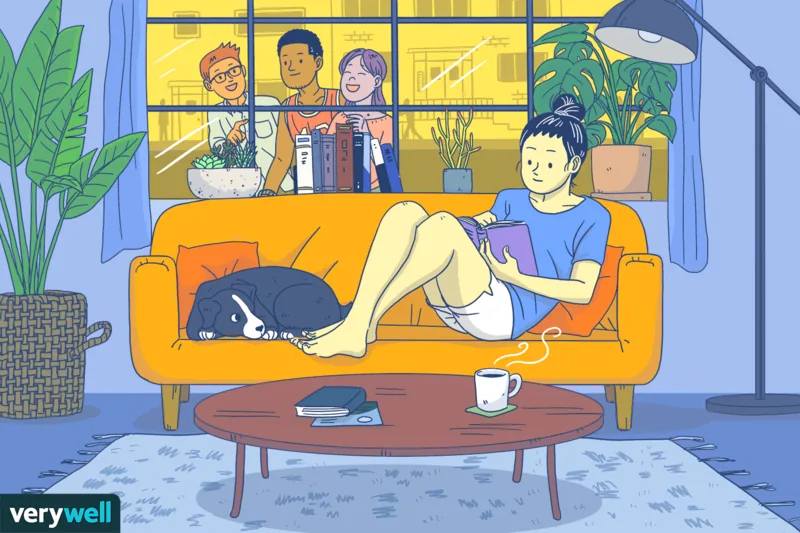
Ever felt completely wiped out after a social event, craving nothing more than your quiet sanctuary and a good book? Or perhaps you find deep, meaningful conversations far more energizing than endless small talk, while superficial chatter leaves you utterly drained. In a world that often praises the loud and the gregarious, these subtle nudges can leave you wondering: am I an introvert? these experiences are often your first powerful clue to a profound aspect of your personality.
Introversion isn't a flaw, a social failing, or a synonym for shyness. It's a fundamental personality trait describing how you gain and expend energy. At its core, introverts recharge by spending time alone, finding social interactions, particularly with large groups, to be an energy expenditure. Recognizing this isn't just a label; it's a vital step towards understanding your intrinsic needs, embracing your unique strengths, and designing a life that truly invigorates and sustains you.
The Core of Introversion: What It Really Means
Our society frequently lionizes extroverted qualities: the charismatic leader, the life of the party, the person who thrives in constant interaction. This can make introverts feel like they're operating against the grain, constantly trying to adapt to expectations that don't align with their natural rhythms. But introversion is a rich and complex facet of human personality, not a deficit. It speaks to a preference for internal experiences, depth over breadth, and thoughtful engagement over spontaneous exuberance (Dossey, 2016).
Think of your personal energy as a battery, constantly fluctuating between charged and depleted states. For an extrovert, social situations act like a powerful charger, powering them up and making them feel more alive and engaged. They literally gain energy from being around others. For an introvert, however, social engagement, while often enjoyable and necessary, slowly drains that battery. Time alone, immersed in quiet activities, becomes their essential recharge cycle, a period of restoration that allows them to process, reflect, and renew their inner resources. This fundamental difference in how we derive and expend energy shapes everything from our social preferences to our learning styles, communication patterns, and even ideal career choices.
8 Clear Signs You Might Be an Introvert
Understanding your personality type is a journey of self-discovery, not a rigid categorization. As you read through these characteristics, you might find yourself nodding along, recognizing patterns in your own behavior and inner world. This contemplation is itself an introverted trait, leading you to ask, am I an introvert? These indicators are designed to help you connect the dots and gain clarity about your unique wiring.
1. You Feel Drained After Too Much Social Time
Picture this scenario: you've just spent a lively afternoon at a large family gathering, navigated a busy day collaborating with numerous colleagues, or attended a networking event. While others might appear energized and ready for more interaction, you feel a distinct sense of exhaustion washing over you, a mental and emotional fatigue that goes beyond mere physical tiredness. This isn't just about being weary; it's an energy deficit, a clear signal that your social battery is depleted and you need to retreat and recalibrate.
It's crucial to understand that this doesn't mean you dislike people or social interaction altogether. Many introverts genuinely enjoy being with others, especially in meaningful contexts. The core difference lies in the energy exchange: extroverts are fueled by these interactions, drawing vitality from the external world, while introverts expend their internal energy in such situations, requiring deliberate solitude to recover (Tuovinen et al., 2020).
2. You Crave Quiet Time to Recharge
Following those draining social moments, what does your ideal recovery look like? For introverts, it's often a deliberate and instinctual shift to low-stimulation environments. This could manifest as a quiet afternoon lost in a captivating novel, a peaceful walk through a serene park, or a focused session on a personal hobby like painting miniatures, coding a small passion project, or tending to a home garden.
These solitary activities aren't just downtime; they are essential, active processes for restoring your mental and emotional reserves, allowing your mind to process and settle. This deep craving for solitude isn't a desire to be constantly alone, but rather a necessary rhythm for maintaining well-being. Think of it as a physiological need, much like hunger or sleep--ignoring it consistently leads to burnout, irritability, and a pervasive feeling of being overwhelmed. Honoring this need is a powerful act of self-care for introverts.
3. You Have a Tight-Knit Circle of Close Friends
The common misconception of the lonely, anti-social introvert couldn't be further from the truth. Introverts value connection deeply, but they prioritize quality over quantity in their relationships. Instead of a sprawling network of superficial acquaintances, they meticulously cultivate a select few profound, long-lasting relationships built on trust, intimacy, and shared understanding (Dunbar, 2025). They invest deeply in these bonds, making them incredibly strong and resilient.
Introverts typically prefer one-on-one interactions or small, intimate group settings where genuine dialogue and deep conversations can flourish. This preference isn't about being exclusive; it's about investing their limited social energy where it yields the most meaningful returns, fostering exceptionally strong bonds that provide mutual support and understanding (Stone et al., 2025). They'd rather have one profound conversation than ten minutes of polite small talk.
4. It Takes Time for People to Get to Know You
Introverts are frequently characterized as reserved, quiet, or mellow. This demeanor can sometimes be misinterpreted as shyness, disinterest, or even aloofness. The reality is that introverts are typically observant and thoughtful, preferring to process information internally and formulate their thoughts carefully before expressing themselves. They choose their words deliberately, often avoiding superficial chit-chat in favor of more substantive, meaningful conversation.
Unlocking an introvert's inner world requires patience, genuine curiosity, and a willingness to engage beyond surface-level interactions. Once they feel comfortable, safe, and truly seen, their depth of thought, rich internal landscape, and unique perspectives become apparent, often surprising those who initially mistook their quiet exterior for timidity. Building trust is paramount for an introvert to open up.
5. You Feel Overwhelmed by Too Much Noise or Activity
Imagine walking into a bustling open-plan office, a loud concert, a crowded shopping mall during peak hours, or a busy airport terminal. For an introvert, these environments can quickly become a source of intense sensory overload. The constant barrage of stimulation--bright lights, multiple conversations happening simultaneously, incessant background noise, and continuous movement--can feel like an assault on the senses, making it incredibly difficult to focus, concentrate, or even think clearly.
Research indicates that introverts tend to be more sensitive to environmental distractions than extroverts, which is a key reason for their innate preference for quieter, more controlled settings (Emara et al., 2025). This heightened sensitivity explains why a serene home office, a quiet library corner, or a peaceful nature trail can feel like an essential sanctuary for an introvert, offering respite from the overwhelming external world.
6. You're Deeply In Tune With Yourself
Because introverts naturally turn inward, their minds are often a bustling hub of activity. They spend a significant amount of time examining their own thoughts, feelings, motivations, and experiences. This profound introspective tendency fosters an exceptional sense of self-awareness and self-understanding. If you often reflect deeply on your experiences, meticulously analyze your reactions, and actively seek to understand the intricate workings of your inner world, you're likely tapping into a core introverted strength.
This deep self-knowledge isn't merely a philosophical exercise; it has immense practical value. It allows introverts to make decisions that are authentically aligned with their true values, pursue hobbies and passions that genuinely resonate with their soul, and navigate life's challenges with a clear, grounded sense of their emotional landscape. This inner compass is a powerful tool for navigating the external world.
7. You Learn Best by Watching Others
When confronted with a new task, a complex skill, or an unfamiliar situation, extroverts might instinctively jump right in, learning through hands-on experience and a process of trial and error. Introverts, however, often prefer a distinctly different approach: careful observation. They will typically watch others perform the task, sometimes repeatedly, meticulously absorbing details, analyzing techniques, and mentally rehearsing the steps before attempting it themselves (Bhuriveth et al., 2025).
Consider someone learning to play a new musical instrument or master a complex cooking recipe. An introvert might spend hours watching instructional videos, studying sheet music, or reading recipe books, then quietly practice in a private setting until they feel confident, rather than immediately joining a group class or performing for an audience. This methodical, private approach allows them to build skills and confidence without the added pressure of immediate performance or judgment.
8. You Prefer to Work Solo Rather Than in Groups
The idea of constant team meetings, dynamic collaborative brainstorming sessions, or predominantly client-facing roles might not naturally appeal to an introvert. They often thrive in work environments that allow for independent focus, deep concentration, and minimal interruptions. Careers that emphasize individual contribution and require meticulous attention to detail, such as writing, accounting, computer programming, graphic design, research, or even a forensic scientist meticulously analyzing evidence in a lab, often align exceptionally well with introverted preferences.
This isn't to say introverts are incapable of effective teamwork or leadership. On the contrary, they often bring invaluable qualities to group dynamics: thoughtful perspectives, careful planning, a calm and steady presence, and an ability to listen deeply. They excel when given space for individual contribution and when collaborative efforts are structured to allow for periods of independent work and reflection.
Beyond the Basics: Different Shades of Introversion
The popular image of an introvert as a solitary, shy individual who actively avoids all social contact is far too simplistic and often misleading. Introversion is not a monolithic trait; it exists on a spectrum, and individuals display a fascinating, nuanced blend of characteristics. Psychologists have identified several distinct types of introverts, highlighting this rich diversity within the personality trait (Grimes et al., 2021).
- Social Introverts: These individuals are the quintessential "homebodies." Their preference for small gatherings or a quiet night in over bustling parties isn't driven by anxiety, but by genuine preference and energy management. They might enjoy a cozy dinner with one or two close friends but find a large party overwhelming.
- Thinking Introverts: Highly introspective and imaginative, these introverts spend a significant amount of time immersed in their own thoughts. They are often creative, philosophical, and enjoy deep reflection. You might find them lost in a complex problem, brainstorming new ideas, or contemplating abstract concepts for hours.
- Anxious Introverts: While introversion itself isn't shyness, some introverts do experience a degree of anxiety or discomfort in social situations. They might feel unsettled or nervous around new people, often overthinking interactions or worrying about how they are perceived. This can make socializing more challenging for them.
- Inhibited Introverts: These individuals tend to be cautious, deliberate, and often slow to act. They spend a significant amount of time considering a decision or action, weighing all potential outcomes before moving forward. They are less impulsive and prefer to observe and plan before engaging.
It's important to remember that these categories are not mutually exclusive. It's common for an individual to exhibit traits from multiple categories simultaneously. You might be a thinking introvert who sometimes experiences social anxiety, or a social introvert who also takes a deliberate, inhibited approach to new decisions. The key is understanding your unique blend of these introverted tendencies and how they manifest in your daily life.
The Science Behind Your Inner World
So, what truly underpins these differences? Why are some people more introverted than others? The answer lies in a fascinating and complex interplay of genetics, environmental factors, and even our fundamental neurological wiring.
Scientific research strongly suggests that personality traits, including introversion and extroversion, have a significant genetic component. Studies involving identical and fraternal twins, for instance, have consistently shown that our position on the introversion-extroversion spectrum is partially inherited, indicating a biological predisposition (Sanchez-Roige et al., 2018). Furthermore, specific genes, such as those related to dopamine pathways, may even be linked to particular introverted tendencies (Hobgood, 2021), influencing how we respond to stimulation and reward.
However, biology is not destiny. Our environment plays an equally crucial and often modifying role. The way we are raised, the early experiences we encounter, the cultural context we grow up in, and the social interactions we navigate all significantly shape how our innate predispositions are expressed and developed. As experts note, "while the tendency towards introversion or extroversion is genetically predisposed, environmental factors and personal experiences can modify how these traits are expressed and experienced by the individuals" (Harvard, 2024). This means our experiences can amplify, temper, or subtly shift our inherent introverted leanings.
Neurological Differences
Beyond genetics, there's a tangible physiological dimension to introversion, rooted in our brain's functioning. A key player is the reticular activating system (RAS), a network of neurons located in the brainstem. The RAS acts like a gatekeeper, regulating our overall arousal levels, including wakefulness and transitions between sleeping and waking. Crucially, it also controls how much sensory information we take in from our external environment while we are awake (Garcia-Rill et al., 2016).
The renowned psychologist Hans Eysenck proposed his arousal theory of extroversion, suggesting that individuals have a basic set point for arousal. According to Eysenck, introverts naturally have higher baseline levels of cortical arousal. This means their brains are more easily and quickly stimulated by external input. Because of this heightened internal activity and sensitivity, introverts tend to instinctively seek activities and environments where they can escape from overstimulation (Kumari et al., 2004). Alone time, for an introvert, isn't just a preference; it's a neurological necessity that allows them to process, reflect, and integrate the wealth of information their sensitive systems have absorbed, preventing mental fatigue and overwhelm.
Debunking Myths: Introversion vs. Shyness, Depression, Antisocial Traits
Introverts are frequently misunderstood, often unfairly labeled as shy, socially anxious, or even antisocial. These prevalent misconceptions largely stem from a society that frequently prioritizes and rewards extroverted behaviors, making introverted tendencies seem abnormal or problematic. When you're trying to understand yourself, it's a common and important question: am I an introvert? These distinctions between personality traits and potential mental health concerns are crucial for accurate self-understanding and for combating harmful stereotypes.
Introversion vs. Shyness
This is perhaps the most pervasive and confusing misconception. Shyness is fundamentally characterized by fear or discomfort in social situations, often driven by a concern about negative judgment, self-consciousness, or a lack of social confidence. A shy person might desperately want to engage socially but is held back by anxiety. Introversion, however, is a preference. Introverts simply prefer less social interaction because it costs them energy; they are not necessarily afraid of it (Singh & Singh, 2017). An introvert might politely decline a party invitation because they genuinely prefer a quiet evening at home, not because they are afraid of the people there. While some introverts can also be shy, the two traits are distinct.
Introversion vs. Depression
If you find yourself wondering, "Am I an introvert or actually depressed?", you're asking a vital question that deserves careful consideration. It's crucial to recognize that anyone, regardless of their personality type, can experience depression. While introverts might naturally seek more solitude, persistent feelings of sadness, anxiety, a profound loss of interest in activities you once enjoyed, significant changes in sleep patterns or appetite, or feelings of worthlessness are significant red flags for depression. If you're asking, am I an introvert? These distinctions between a personality preference and a mental health condition are critical. Some studies suggest introversion might increase the risk of loneliness, anxiety, or depression if an individual doesn't effectively manage their social needs or nurture supportive relationships (Tuovinen et al., 2020), but introversion itself is not a mental illness. If you suspect depression or any other mental health concern, seeking guidance from a qualified mental health professional is an essential step (Mayo Clinic, 2023).
Introversion vs. Antisocial
Being introverted is vastly different from being antisocial, a term often associated with Antisocial Personality Disorder (ASPD). Introverts are fully capable of empathy, forming deep emotional bonds, and engaging socially--they simply do so in ways that feel comfortable and energizing for them, typically preferring deep, one-on-one connections. Antisocial behavior, on the other hand, involves a pervasive disregard for the rights of others, a lack of empathy, manipulative tendencies, and often a pattern of deceitfulness and impulsivity. Introverts are not characterized by these traits; they simply have different social preferences and energy management needs. If concerns about antisocial behavior arise, seeking evaluation from a mental health professional is crucial for proper diagnosis and support.
Embracing Your Introverted Strengths
You can't simply "stop" being an introvert; it's a fundamental and deeply ingrained aspect of your personality, not something to be fixed. But you can absolutely learn to thrive as one, transforming perceived challenges into powerful assets. The journey involves a deep dive into self-acceptance, a clear understanding of your unique energy needs, and strategically leveraging your inherent strengths to navigate the world effectively.
Introverts often possess a remarkable array of qualities that are invaluable in personal and professional contexts:
- Deep Thinkers: Your natural inclination for introspection fosters profound insights, complex problem-solving abilities, and a rich, vibrant inner world that can be a source of endless creativity and contemplation.
- Exceptional Listeners: You are often the friend, colleague, or partner who truly hears what others are saying, absorbing nuances and offering thoughtful, well-considered responses rather than impulsive reactions. This makes you highly valued in communication.
- Focused and Independent: Your preference for solo work and quiet environments allows for sustained concentration, meticulous attention to detail, and the production of high-quality, impactful work without external distractions.
- Empathetic and Observant: You often pick up on subtle emotional cues, unspoken needs, and intricate social dynamics that others might miss. This leads to deeper, more meaningful connections and a profound understanding of human behavior.
- Thoughtful Leaders: While not always front-and-center, introverted leaders can be incredibly effective, leading by example, fostering loyal teams, and making well-considered, strategic decisions.
Instead of trying to force yourself into an extroverted mold, focus on cultivating environments and relationships that genuinely nourish you. This might mean proactively scheduling non-negotiable alone time, consciously choosing smaller, more intimate social gatherings over large events, or advocating for quiet workspaces that support your concentration. Learning self-care strategies, such as mindfulness practices, journaling, or cognitive behavioral therapy (CBT), can also be incredibly beneficial for managing any difficult emotions, reframing negative thought patterns, and building resilience (Gratzer & Khalid-Khan, 2016).
Finding Your Balance: Introvert, Extrovert, or Ambivert?
It's entirely possible that as you reflect on these signs, you find yourself identifying with some aspects of introversion and some of extroversion. If this resonates, there's a strong chance you might be an ambivert--someone who falls comfortably in the middle of the spectrum (Davidson, 2017). Ambiverts possess the unique ability to enjoy both social interaction and solitude, adapting their preferences and energy levels based on the specific situation and their current needs. They can thrive in a lively group setting one day and crave quiet reflection the next.
Whether you lean predominantly introverted, extroverted, or find your sweet spot as an ambivert, remember that no personality type is inherently "better" or "worse" than another. Each brings unique gifts, perspectives, and challenges to the world. The true power lies in cultivating self-awareness: understanding your intrinsic tendencies allows you to consciously lean into your natural strengths and design a life that feels authentic, sustainable, and deeply fulfilling.
Research consistently shows that nurturing strong, close social relationships and developing robust emotional regulation skills are key predictors of happiness and well-being, regardless of your introverted leanings (Cabello & Fernandez-Berrocal, 2015). By truly understanding your personality, you can consciously choose paths, relationships, and environments that honor your true nature, leading to not just greater well-being, but also profound personal and professional success.