Have you ever felt a subtle shift in the air, a quiet change in the way your partner looks at you, or the way they touch you? It's a gut-wrenching realization to suspect that my partner doesn't find me attractive anymore. This isn't just about physical appearance; it's about the underlying current of desire that electrifies a relationship, and when it dims, it leaves us wondering: what now? The good news is, a fading spark doesn't necessarily mean the end. Often, it's a call to action, an invitation to reconnect and rediscover each other. By understanding the signs and taking proactive steps, you can often reignite that crucial flame.
The Unspoken Truth: Why Attraction Matters
Attraction isn't just the initial sizzle that brings two people together; it's a vital, ongoing ingredient that keeps the relationship vibrant and alive. Think about it: every healthy, thriving partnership rests on a few core pillars. There's love, that deep well of affection and care. There's trust, the unshakeable foundation that fosters security and openness. And then there's attraction, the passion and excitement that keeps the fire burning, transforming a comfortable companionship into an electrifying bond.
It's easy to assume love and trust can carry a relationship through anything, but desire plays a unique role. It's the thrill your partner feels from your smile, the way your clothes fit, or even just watching you immersed in your element. When that spark begins to fade, it's not just about physical intimacy; it's about a deeper connection that feels diminished. This isn't to say infatuation lasts forever, but a noticeable decline in attachment and desire can threaten the very future of your relationship.
Decoding the Distance: Signs Your Partner's Attraction May Be Waning
Recognizing when my partner doesn't find me attractive anymore can be incredibly challenging, often because the signs are subtle, creeping in slowly over time. But paying attention to these shifts is essential for addressing the issue head-on. Here's what to look for:
A Shift in Intimacy: Less Sex, Less Passion
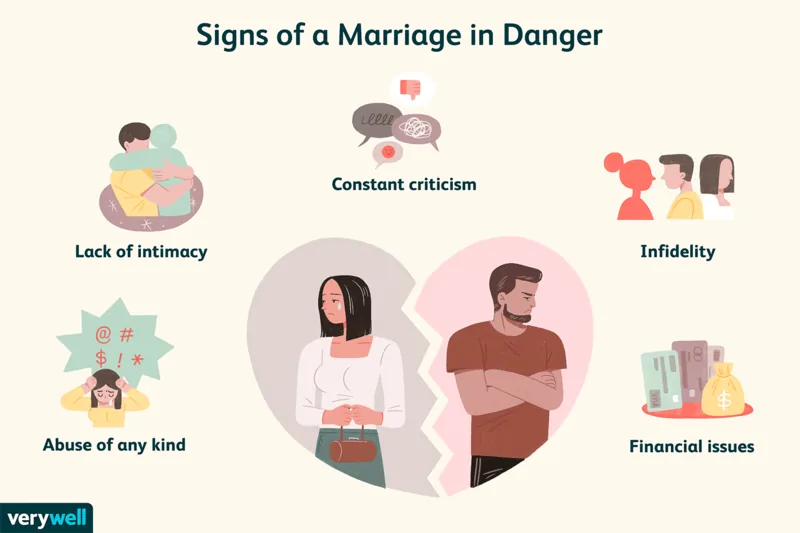
One of the most immediate indicators of waning attraction often appears in the bedroom. Are you having less sex? Has the quality of your intimate moments changed? It's not just about frequency; it's about the passion, the conversation, and the intimacy that used to accompany it. For instance, a study found a notable decrease in how often couples engaged in sex over time, especially among married couples (Ueda et al., 2020).
Perhaps they still initiate intimacy, but it feels rushed, almost like a chore, or they consistently opt for quick, functional encounters over passionate, lingering ones. When foreplay becomes minimal or disappears altogether, or if sex starts to feel routine rather than a shared experience, it's a significant warning sign. It can feel like just another item to check off, rather than a moment of deep connection.
Growing Apart: Increased Time Away
If your partner is spending more time away from home or from you, it's natural to feel concerned. While everyone needs personal space, a consistent pattern of avoidance can signal a problem. They might frequently make excuses to avoid spending time together, or your shared moments become brief and lack genuine intimacy.
Think about it: do they suddenly have more late nights at work, new hobbies that don't include you, or an increased desire to socialize with friends without you? While some alone time is healthy, a consistent effort to create distance can indicate that my partner doesn't find you as engaging or desirable as they once did.
The Fading Spark: Reduced Effort and Affection
This can be one of the most painful indicators. Remember the early days when your partner was diligent in making you feel special? Perhaps they used to surprise you with your favorite coffee in the morning, or plan spontaneous weekend getaways. Now, those gestures have vanished, replaced by a quiet routine, or even a noticeable lack of enthusiasm for shared plans.
Terms of endearment might be dropped, planning activities together could become a thing of the past, and even getting a timely response to your texts might become a worrying challenge. This reduction in effort isn't just about grand gestures; it's a subtle withdrawal of the small, loving acts that communicate care and desire.
Familial Intimacy: Friend Zone in a Relationship
Sometimes, your partner might do all the 'right' things: frequent calls, movie dates, or fancy dinners. The only issue? It feels more like you're dealing with a sibling than a lover. The friendship and trust remain, but the spark--that undeniable sense that your partner has eyes only for you--is noticeably missing.
It's a strange paradox: you're connected, you're companions, but the passionate desire that defines a romantic partnership has evaporated. You might find yourself thinking, 'my partner doesn't find me attractive, but they still love me like family.' While friendship is crucial, its dominance over romantic intimacy can be a sign of deeper issues.
Heightened Tension: More Frequent Arguments
If your partner seems more irritable, quick to quarrel about both big and small things, it's not just a sign of general relationship stress. This constant friction can also signal a waning attraction towards your charm and appeal. When minor disagreements escalate into full-blown arguments, it suggests an underlying dissatisfaction that might be linked to a loss of desire.
Research indicates that communication during conflict is critical for intimate relationships (Overall & McNulty, 2017). If every interaction feels like a battleground, it's hard for attraction to thrive. This constant negativity can erode the foundation of intimacy, making it even harder to rekindle any lost spark.
Reigniting the Flame: Practical Steps to Rekindle Desire
Accepting that my partner doesn't find me attractive anymore can be incredibly painful, but this awareness is the first step toward turning things around. Here's how you can actively work to reignite the passion in your relationship:
Open Dialogue: The Power of Honest Communication
Beyond love, trust, and attraction, communication is the bedrock of any successful relationship (Lavner et al., 2016). Speak to your partner openly and honestly about the changes you've noticed. This isn't about accusation; it's about understanding. Learn how they see you, or if your behavior has changed in ways that might be causing them to pull away.
Finding the right way to communicate during this period is critical. Avoid accusatory statements or speaking when tempers are high. Instead, aim for a calm, honest conversation where both of you can express your feelings and concerns without judgment. You might uncover traits or habits you were unaware of that have affected your intimacy.
Strategic Space: Rediscovering Yourselves
It might seem counterintuitive to create distance when you want to draw closer, but a period of strategic time apart can be exactly what your relationship needs. Taking solo trips, pursuing individual hobbies, or encouraging your partner to do the same can give you both the chance to miss one another and rediscover yourselves.
This isn't about alienating each other; it's about creating a healthy longing. Check in from time to time, perhaps through virtual calls or thoughtful texts, offering a change from your usual interactions. This space can help both of you appreciate what you have and return with renewed energy and perspective.
Back to Basics: Recreating Early Romance
With your partner's indulgence, take your relationship back to the early days. Remember those long, late-night conversations that stretched into the early hours, sharing dreams and vulnerabilities? Or the playful banter and inside jokes that once filled your days? Revisit those moments. Make an intentional effort to go on dates, take extra care with your appearance, and perhaps even write intimate love letters to each other.
Try new, intimate couple activities like a cooking class, a pottery workshop, or even just a quiet evening of stargazing. Breaking from routine and intentionally creating novel, close proximity experiences can significantly improve your partner's attraction to you. It's about remembering what made you fall for each other in the first place.
Professional Guidance: When to Seek Therapy
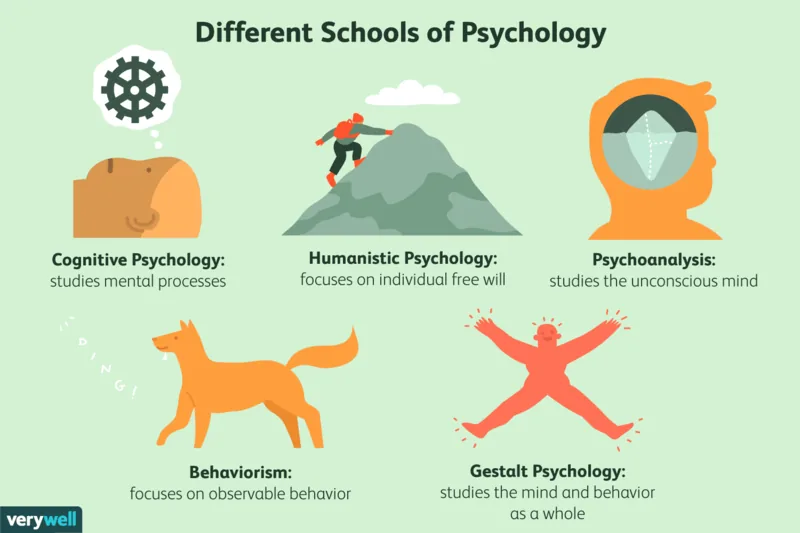
In some cases, the challenges might be too complex to navigate alone, and professional help can be invaluable. Therapy is a powerful way to explore and improve intimacy or attraction challenges you may be experiencing (CADTH, 2014). Relationship therapists are equipped with various approaches, such as cognitive existential couples therapy or couple-based cognitive-behavior therapy, to help you and your partner.
A therapist can not only help you address why my partner doesn't find you attractive anymore but also identify the strengths in your relationship and other areas where both of you can improve. It's a safe space to unpack complex emotions, learn new communication strategies, and work collaboratively towards a stronger, more passionate connection.