That sinking feeling when the butterflies in your stomach have flown away. The excitement that once made your heart race has been replaced with a quiet indifference. Is it normal to lose feelings in a relationship? Absolutely. In fact, it's more common than most people admit. Relationships evolve, and so do our emotions within them. The initial rush of romance naturally transforms over time, but sometimes that change feels more like a disappearance than an evolution.
Understanding the Normalcy of Changing Feelings
When you first fall in love, your brain is flooded with chemicals that create intense feelings of euphoria and attachment. This "honeymoon phase" typically lasts anywhere from six months to two years, after which things naturally begin to settle. Is it normal to wonder if something is wrong when this initial intensity fades? Yes, it is. The transition from passionate romance to deeper, more stable love is a normal part of relationship development.
Think of it like this: when you first discover a favorite restaurant, every visit feels exciting and new. But after years of going there, the experience becomes comfortable and familiar rather than thrilling. This doesn't mean you no longer enjoy the restaurant--it just means your relationship with it has matured.
Research from Harvard's relationship studies shows that approximately 70% of couples experience a noticeable decrease in romantic feelings within the first three years of a relationship (Harvard, 2024). This doesn't predict relationship failure; it simply marks a natural transition point where couples must choose to either deepen their connection or go their separate ways.
Recognizing the Signs of Fading Connection
How can you tell if your feelings are changing in a concerning way, or if it's just part of the natural evolution of love? Here are some common signs to watch for:
- You stop sharing your day. When you used to excitedly tell your partner about your work triumphs or frustrating moments, but now keep most details to yourself.
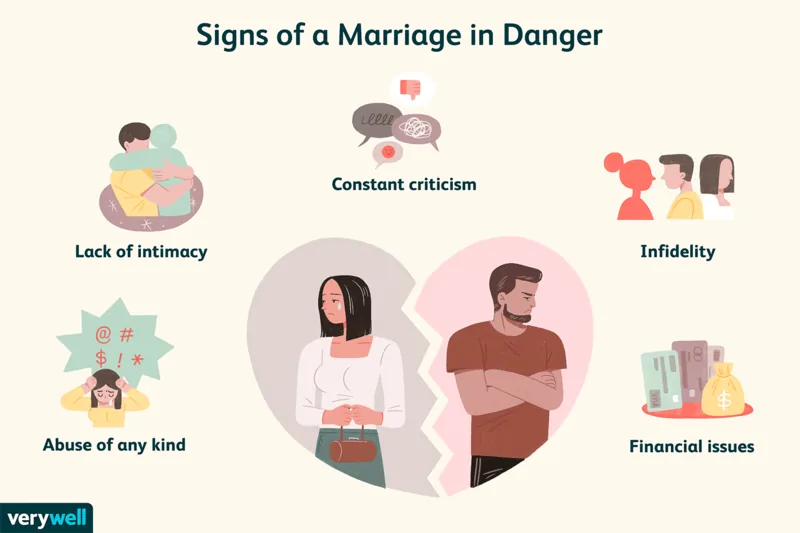
- Your physical intimacy has decreased. Not just sexual intimacy, but casual touches, hugs, and kisses that once felt natural now feel awkward or infrequent.
- You find yourself annoyed by small things. Habits that once seemed endearing now irritate you disproportionately.
- You've stopped making plans. The future you once imagined together no longer feels compelling or real.
- You compare your relationship to others. You find yourself wondering what life would be like with someone else, or scrolling through social media envying other couples.
These signs don't automatically mean your relationship is doomed. They might simply indicate that you're in a natural transition period. But they do warrant attention and honest reflection.
Why Feelings Fade: Common Causes
Several factors can contribute to the fading of romantic feelings in a relationship:
Unresolved Conflicts
When disagreements remain unaddressed, they create emotional distance. The Mayo Clinic notes that couples who develop effective conflict resolution skills are 34% more likely to maintain relationship satisfaction over time (Mayo Clinic, 2023). Small irritations that aren't properly dealt with can accumulate into significant resentment.
Changing Life Circumstances
Major life events--career changes, relocations, becoming parents, or health challenges--can significantly impact relationship dynamics. Sarah and Michael's story illustrates this well: After welcoming their first child, their relationship shifted dramatically from romantic partners to co-parents. The intense demands of newborn care left little energy for maintaining their connection, causing feelings of distance between them.
Emotional Neglect
When partners stop making each other feel seen and valued, emotional intimacy erodes. This might look like forgetting important dates, not asking about each other's days, or failing to offer support during difficult times.
Unmet Needs
Everyone enters relationships with certain emotional needs--whether it's feeling appreciated, secure, intellectually stimulated, or physically desired. When these needs consistently go unmet, it's natural for feelings to fade.
Individual Growth
People change and evolve over time. Sometimes, partners grow at different rates or in different directions. Consider the case of Emma and James: Emma discovered a passion for environmental activism that became central to her identity, while James focused on advancing his corporate career. Their values and priorities began to diverge, creating a subtle but significant shift in their connection.
Rebuilding Emotional Connection: Practical Steps
If you've noticed your feelings fading but want to salvage the relationship, there are concrete steps you can take:
Revisit Your Origins
Remember what initially drew you together. Revisit places that hold special meaning, look through old photos, or recreate your first date. These nostalgic experiences can reignite positive feelings and remind you why you chose each other.
Practice Intentional Appreciation
Make a daily habit of noticing and expressing appreciation for your partner. This could be as simple as saying "I appreciate how you handled that difficult conversation today" or leaving a note acknowledging something they did well. Research shows that couples who express gratitude regularly report higher relationship satisfaction (Harvard, 2024).
Create New Shared Experiences
Novelty is crucial for maintaining attraction. Try activities that are completely new to both of you--whether it's taking a dance class, planning a weekend getaway to an unfamiliar destination, or learning a skill together. New experiences create shared memories and reignite the excitement of discovery.
Improve Communication
Set aside regular time to talk about more than logistics and household matters. Discuss your dreams, fears, and what you need from each other. Practice active listening--focusing completely on what your partner is saying without planning your response.
Address Physical Intimacy
Physical touch releases bonding hormones like oxytocin. Even small gestures--holding hands, h hello, or sitting close on the couch--can help rebuild physical connection. If sexual intimacy has declined, have an open conversation about what each of you needs and desires.
When to Let Go: Making Difficult Decisions
Sometimes, despite your best efforts, the feelings don't return. In these situations, you may need to consider whether staying in the relationship is the healthiest choice for both partners.
Ask yourself these tough questions:
- Am I staying out of fear of being alone or because I feel guilty?
- Do I respect my partner and value who they are as a person?
- Am I willing to continue putting in the effort required to maintain this relationship?
- Would I be happier and more fulfilled if I were single?
Remember that staying in a relationship where you don't feel love isn't fair to either of you. Your partner deserves to be with someone who genuinely loves and values them, and you deserve to be in a relationship that fulfills you emotionally.
Professional Support: Couples Counseling
If both partners are committed to working on the relationship, couples counseling can provide valuable guidance. A trained therapist can help you:
- Identify underlying issues contributing to the loss of feelings
- Develop healthier communication patterns
- Rebuild emotional intimacy
- Decide if the relationship has a viable future
The success of therapy depends on both partners' willingness to engage honestly and make changes. If only one person is committed, counseling may not be effective--but it can still help the motivated partner gain clarity about their needs and options.
As relationship expert Esther Perel notes, "The quality of your relationship determines the quality of your life" (Perel, 2023). Whether you choose to rebuild your connection or part ways, approaching this transition with honesty and respect will lead to better outcomes for everyone involved.