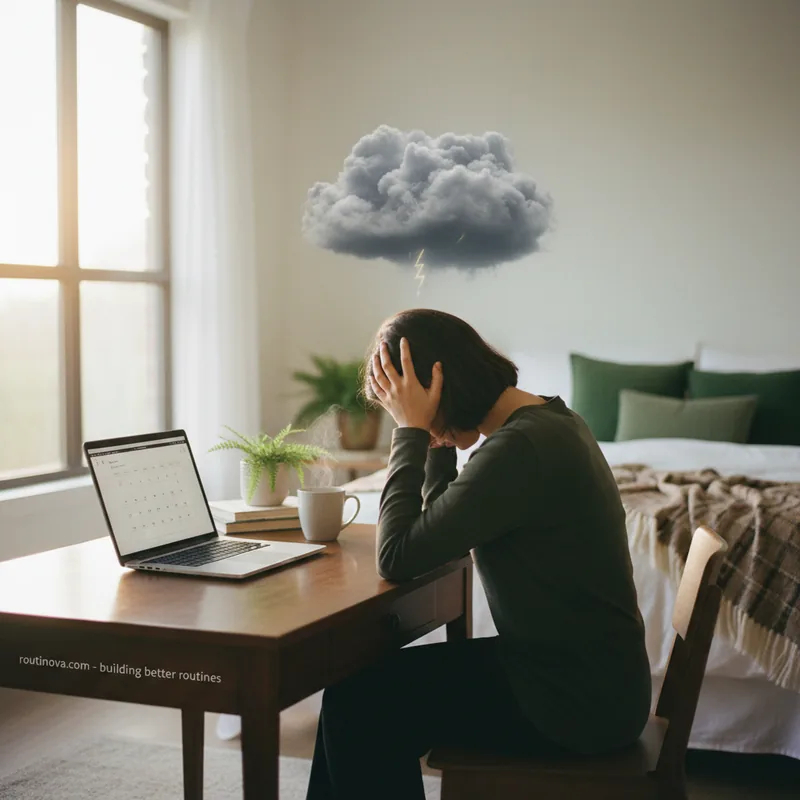
Experiencing something that isn’t truly there can be a profoundly unsettling and isolating experience. Many individuals grapple with the fundamental question: what hallucination am I experiencing, and why is this happening? These unusual sensory perceptions, where an object or event seems real without any external physical source, can involve any of our five senses. Understanding what is a hallucination is the first crucial step toward finding clarity and support. This guide aims to demystify these experiences, offering insights into their nature, causes, and effective management strategies for a healthier, more grounded life in 2025.
The challenge of navigating hallucinations lies not only in the vividness of the experience itself but also in the societal stigma and confusion that often surround them. People frequently wonder, “what hallucination type is this?” or “what causes hallucination?” without clear answers. This can lead to underreporting, delayed diagnosis, and prolonged distress. Addressing this challenge requires open communication, accurate information, and a proactive approach to seeking help.
1. Understanding What Hallucination Truly Is
At its core, what hallucination entails is a sensory perception that originates entirely within the mind, lacking any corresponding external stimulus. Imagine hearing voices when no one is speaking, seeing things that aren’t physically present, or feeling sensations on your skin without any contact. These are all examples of hallucinations. The term itself, derived from Latin, means “to wander mentally,” perfectly capturing the disorienting nature of these experiences. They are distinct from illusions, where a real external stimulus is misinterpreted (e.g., seeing a coat on a chair and briefly thinking it’s a person). With a hallucination, there’s no external trigger at all.
While often associated with severe mental health conditions like schizophrenia or bipolar disorder, it’s crucial to understand that not everyone who experiences a hallucination has a mental illness. Hallucinations can arise from a wide array of factors, including certain medications, substance use, sleep deprivation, or even specific neurological conditions. Regardless of the underlying cause, the experience of a hallucination is real to the individual and can be profoundly impactful on their daily life and emotional well-being. Recognizing the difference between a hallucination and a delusion is also key; a hallucination is a sensory event, while a delusion is a fixed, false belief not based in reality (Harvard, 2024). This fundamental understanding helps pave the way for effective diagnosis and compassionate support.
2. Decoding the Different Types of Hallucinations
Hallucinations can manifest through any of the five senses, and understanding these distinct categories is vital for anyone asking what hallucination type they are encountering. The most common forms involve hearing and seeing, but other senses can also be affected, leading to a diverse range of experiences. Each type presents unique challenges and symptoms, underscoring the importance of detailed reporting to healthcare professionals.
- Auditory Hallucinations: These are the most frequently reported type, involving the perception of sounds that no one else can hear. This can range from simple noises like buzzing, clicking, or footsteps to complex sounds such as music, whispers, or full-blown conversations. Often, individuals hear voices that may be critical, commanding, or simply commenting on their actions. For instance, someone might hear a faint, persistent voice calling their name from an empty room.
- Visual Hallucinations: The second most common type, visual hallucinations involve seeing things that aren’t physically present. This could include geometric patterns, flashes of light, colors, or even distinct objects, people, or animals. An example might be seeing a shimmering aura around objects or briefly glimpsing a familiar figure standing in a doorway before they vanish.
- Tactile Hallucinations: These involve the sensation of being touched or having something on or under the skin when there is no physical contact. Common experiences include feeling insects crawling on or under the skin, a sensation of being pricked, or even the feeling of being pushed. Imagine constantly feeling a spider web brush against your arm, even after you’ve thoroughly checked for it.
- Olfactory Hallucinations: Less common, these involve perceiving smells that have no physical source. The odors can be pleasant, like fresh flowers, but are more often unpleasant, such as burning rubber, decaying matter, or a metallic scent. A new example could be repeatedly smelling burnt toast in your kitchen, even when no cooking is happening.
- Gustatory Hallucinations: The rarest type, gustatory hallucinations involve tasting something that isn’t present in the mouth. These tastes are frequently metallic, bitter, or otherwise unpleasant, and can interfere with eating and drinking. For instance, someone might suddenly experience a strong, persistent metallic taste, even after brushing their teeth.
Beyond these primary five, other unique forms exist, such as presence hallucinations, where one feels a distinct sensation of someone else being nearby or in the room, even when alone. There are also hypnagogic hallucinations, which occur as you fall asleep, and hypnopompic hallucinations, which happen as you wake up. These sleep-related hallucinations are often vivid and can be particularly unsettling but are generally considered a normal variant of sleep-wake transitions for some individuals (Harvard, 2024). Understanding this spectrum helps in accurately describing and addressing the specific sensory shifts one might be experiencing.
3. Recognizing the Symptoms and Moving Beyond Misconceptions
Recognizing the symptoms of hallucinations goes beyond simply identifying the sensory experience; it involves observing the impact on an individual’s behavior and emotional state. What hallucination looks like from the outside can vary greatly, making it challenging for loved ones to identify. Symptoms are directly tied to the type of hallucination, manifesting as distinct sensory perceptions that are not shared by others. An individual might exhibit distress, confusion, fear, or an unusual preoccupation with something unseen or unheard.
For instance, someone experiencing auditory hallucinations might pause mid-conversation as if listening to something, turn their head suddenly, or talk to themselves in response to internal voices. With visual hallucinations, they might stare intently at an empty space, react to something only they can see, or express fear about perceived figures. Tactile hallucinations can lead to repetitive scratching, brushing at their skin, or expressing discomfort about perceived sensations. Olfactory or gustatory hallucinations might cause a person to avoid certain foods, express nausea, or try to air out a room due to an imaginary smell.
A common failure in addressing hallucinations is the tendency to dismiss or invalidate the individual’s experience. It’s crucial to remember that to the person experiencing them, these perceptions are very real. Telling someone “it’s not real” can be counterproductive, leading to feelings of isolation and mistrust, and making them less likely to share future experiences. Another misconception is that all hallucinations indicate severe mental illness. While they are a hallmark of conditions like schizophrenia, they can also stem from temporary factors like sleep deprivation or medication side effects. Therefore, an objective and empathetic approach to symptom recognition is paramount, encouraging open dialogue rather than judgment or denial.
4. Uncovering the Root Causes of Hallucinations
Understanding what causes hallucination is a complex endeavor, as these experiences can stem from a wide array of physiological, neurological, and psychological factors. Pinpointing the root cause is crucial for effective treatment, often requiring a comprehensive medical and psychiatric evaluation. It’s important to move beyond the simplistic notion that hallucinations are solely a sign of mental illness, as many other conditions can trigger them.
One of the most well-known associations is with mental health conditions. Hallucinations are a core symptom of schizophrenia, a disorder characterized by disordered thoughts and perceptions. They are also frequently observed in bipolar disorder, particularly during severe manic or depressive episodes, often leading to a diagnosis of “bipolar disorder with psychotic features.” In these cases, the brain’s neurochemistry and processing are altered, leading to the generation of sensory experiences without external input.
However, many other conditions and substances can induce hallucinations:
- Substance Use and Withdrawal: Alcohol, illicit drugs (especially hallucinogens like LSD, psilocybin, or cannabis in high doses), and withdrawal from substances can significantly disrupt brain function, leading to temporary or persistent hallucinations.
- Neurological Disorders: Conditions affecting the brain directly, such as epilepsy (especially temporal lobe epilepsy), stroke, brain tumors, Parkinson’s disease, migraines, and dementia (like Lewy Body Dementia), can cause hallucinations due to abnormal brain activity or damage.
- Sleep Disturbances: Severe sleep deprivation or specific sleep disorders like narcolepsy can trigger hypnagogic and hypnopompic hallucinations as the brain transitions between sleep and wakefulness.
- Medical Conditions: Various systemic medical issues can impact brain function, including high fever, infections (e.g., UTIs in older adults), metabolic imbalances (e.g., electrolyte disturbances, liver or kidney failure), thyroid disorders, and delirium.
- Sensory Impairment: Individuals with severe vision or hearing loss may experience “release hallucinations” (e.g., Charles Bonnet Syndrome for visual impairment), where the brain compensates for the lack of external sensory input by generating its own.
- Stress and Trauma: Extreme stress, trauma, or conditions like Post-Traumatic Stress Disorder (PTSD) can, in some cases, lead to dissociative experiences that include brief or stress-induced hallucinations.
Given this broad spectrum of potential causes, a thorough diagnostic process, including blood tests, an electroencephalogram (EEG), and magnetic resonance imaging (MRI), is often necessary to rule out underlying medical or neurological conditions. It’s a critical step in understanding what hallucination means for an individual’s health and guiding the most appropriate intervention.
5. Proven Solutions for Managing Hallucinations
Effectively managing hallucinations requires a comprehensive, individualized approach that addresses the underlying cause while also providing strategies for coping with the experiences themselves. There isn’t a one-size-fits-all solution, but rather a multidisciplinary plan that often combines medication, psychotherapy, and robust social support. The goal is not just to eliminate the hallucination but to improve the individual’s quality of life and reduce distress.
- Medication: For hallucinations linked to mental health conditions like schizophrenia or bipolar disorder, antipsychotic medications are often the first line of treatment. These medications work by adjusting neurotransmitter levels in the brain, which can significantly reduce the frequency and intensity of hallucinations, or make them less distressing. Newer medications, like Nuplazid (pimavanserin), specifically target hallucinations associated with Parkinson’s disease, highlighting advancements in targeted pharmacological interventions. The choice of medication depends on the specific diagnosis, individual response, and potential side effects, requiring close collaboration with a prescribing physician.
- Psychotherapy: Therapy plays a crucial role, particularly Cognitive Behavioral Therapy (CBT). CBT helps individuals explore the details of their hallucinations, understand their triggers, challenge negative interpretations, and develop coping mechanisms. It provides a safe space to normalize the experience, reduce associated anxiety, and improve self-management skills. Therapists also provide psycho-education, helping patients understand their condition better and feel more in control.
- Self-Help Strategies: Practical coping techniques can empower individuals to manage auditory hallucinations in daily life. These include distracting oneself by listening to music, engaging in conversation, reading aloud (even backward), or humming a familiar song. Physical activity like exercise can also be beneficial in diverting attention and reducing stress. Learning to ignore the voices or sounds, when possible, is a strategy many find helpful.
- Other Treatments: For some individuals with persistent auditory hallucinations related to schizophrenia, Repetitive Transcranial Magnetic Stimulation (rTMS) is an emerging treatment. This non-invasive procedure involves applying magnetic pulses to specific areas of the brain, which has shown preliminary promise in reducing the severity and frequency of these hallucinations. Ongoing research continues to explore other non-pharmacological interventions.
- Social Support and Environmental Adjustments: A supportive environment is critical. Loved ones can help by remaining calm, validating the individual’s distress without validating the hallucination itself (“I know you’re hearing something, but I don’t hear it”), and gently using distraction. Maintaining consistent daily routines, ensuring adequate sleep, and reducing environmental triggers (like poorly lit rooms or chaotic settings) can also significantly improve stability and reduce the likelihood of experiencing hallucinations.
Ultimately, the most effective solution involves a collaborative effort between the individual, their healthcare team, and their support network. This holistic approach ensures that all aspects of what hallucination impacts are addressed, leading to better outcomes and enhanced well-being.
6. Navigating the Journey: A Timeline for Addressing Hallucinations
Addressing hallucinations is often a journey, not a single event. Understanding a typical timeline for recognizing, seeking help, and managing these experiences can empower individuals and their loved ones. This pathway emphasizes proactive steps and ongoing engagement to achieve stability and improved quality of life.
Phase 1: Initial Recognition and Concern (Weeks to Months) The journey often begins with the first experience of a hallucination. This initial phase is characterized by confusion, fear, and sometimes denial. The individual might question their sanity, wonder what hallucination they just had, or try to rationalize the experience. They may keep it a secret due to stigma.
- Action: Pay attention to the frequency, duration, and specific nature of the hallucinations. Note any patterns, triggers, or associated feelings. This early documentation is invaluable.
Phase 2: Seeking Initial Professional Help (Days to Weeks after Recognition) Once concerns are significant enough, the next crucial step is to consult a primary care physician or mental health professional. This is a critical point where underreporting can lead to delays.
- Action: Be honest and open with your doctor. Describe your experiences in detail. The doctor will likely conduct a physical exam and initial screenings to rule out immediate medical emergencies or common physical causes.
Phase 3: Diagnostic Evaluation and Referral (Weeks 1-4 after Initial Visit) If no immediate medical cause is found, or if the doctor suspects a more complex issue, they will likely refer to specialists like a psychiatrist, neurologist, or psychologist. This phase involves more in-depth diagnostic tests.
- Action: Attend all appointments and complete recommended tests (blood work, EEG, MRI). Be prepared to discuss your medical history, lifestyle habits, and detailed accounts of your hallucinations. This helps determine the root cause of what hallucination is occurring.
Phase 4: Initiating Treatment and Developing Coping Strategies (Months 1-3 after Diagnosis) Once a diagnosis or likely cause is identified, treatment begins. This often involves medication, psychotherapy, or a combination.
- Action: Adhere to medication schedules, actively participate in therapy sessions, and begin practicing self-help coping strategies. This period is about learning what works best for you and adjusting to new routines. Regular follow-ups with your healthcare team are essential to monitor progress and adjust treatment as needed.
Phase 5: Ongoing Management and Support (Long-term) Managing hallucinations is often a continuous process. This phase focuses on maintaining stability, preventing relapse, and enhancing overall well-being.
- Action: Continue with prescribed treatments and therapy as recommended. Engage with support groups, maintain healthy lifestyle habits (sleep, diet, exercise), and educate your support network. Regularly review your coping strategies and make adjustments as your needs evolve. This ongoing commitment ensures long-term stability and empowers you to live a fulfilling life despite the challenges of hallucinations. Understanding this timeline helps demystify the process and highlights the importance of sustained effort in managing these complex experiences.
7. Frequently Asked Questions About Hallucinations
Navigating the complexities of hallucinations often brings forth many questions. Here, we address some common inquiries to provide clearer understanding and guidance.
Q1: What is a hallucination in simple terms? A hallucination is a sensory experience that feels real but is created by your mind, not by anything in the external world. You might see, hear, feel, smell, or taste things that aren’t actually there. It’s a perception without a corresponding physical source.
Q2: Can stress or anxiety cause hallucinations? While severe stress or anxiety alone typically don’t cause full-blown hallucinations, they can certainly exacerbate them if an underlying condition exists. Extreme stress can also lead to sleep deprivation, which can induce temporary, mild hallucinations (like hypnagogic or hypnopompic types) in some individuals. In cases of severe trauma or PTSD, dissociative experiences might sometimes blur the lines, but true sensory hallucinations are usually linked to more direct neurological or psychiatric factors. It’s more common for stress to cause illusions (misinterpretations of real stimuli) rather than outright hallucinations.
Q3: Is it possible to have hallucinations and not have a mental illness? Yes, absolutely. While commonly associated with mental illnesses like schizophrenia, what hallucination you experience can stem from many other causes. These include medical conditions (such as high fever, infections, or metabolic imbalances), neurological disorders (like epilepsy or Parkinson’s disease), severe sleep deprivation, certain medications, or substance use and withdrawal. It is crucial to seek a medical evaluation to determine the specific cause.
Q4: How can I help a loved one who is experiencing a hallucination? Approach them calmly and reassuringly. Acknowledge their distress without validating the hallucination itself. For example, say, “I know you’re seeing/hearing something, and that must be scary, but I don’t see/hear it.” Avoid arguing. Gently try to distract them with a conversation, music, or by moving to a quieter room. Ensure they maintain routines and get adequate sleep. Most importantly, encourage them to seek professional help and offer to support them in that process.
Q5: What should I do if I or someone I know starts experiencing hallucinations? The most critical first step is to seek professional medical attention immediately. Contact a doctor, psychiatrist, or go to an emergency room, especially if the hallucinations are new, severe, frightening, or accompanied by other concerning symptoms. Being honest about the duration, frequency, and specific nature of the hallucinations will help healthcare providers determine the underlying cause and the most appropriate treatment plan. Do not try to self-diagnose or ignore the symptoms.
If you or a loved one are struggling with hallucinations, remember that help is available. Contact the Substance Abuse and Mental Health Services Administration (SAMHSA) National Helpline at 1-800-662-4357 for information on support and treatment facilities in your area.